University of Nottingham places 2,700 staff roles at risk of redundancy amid liquidity warning
The Russell Group institution warns that doing nothing is not an option, while the University and College Union opposes the strategy and prepares industrial action.
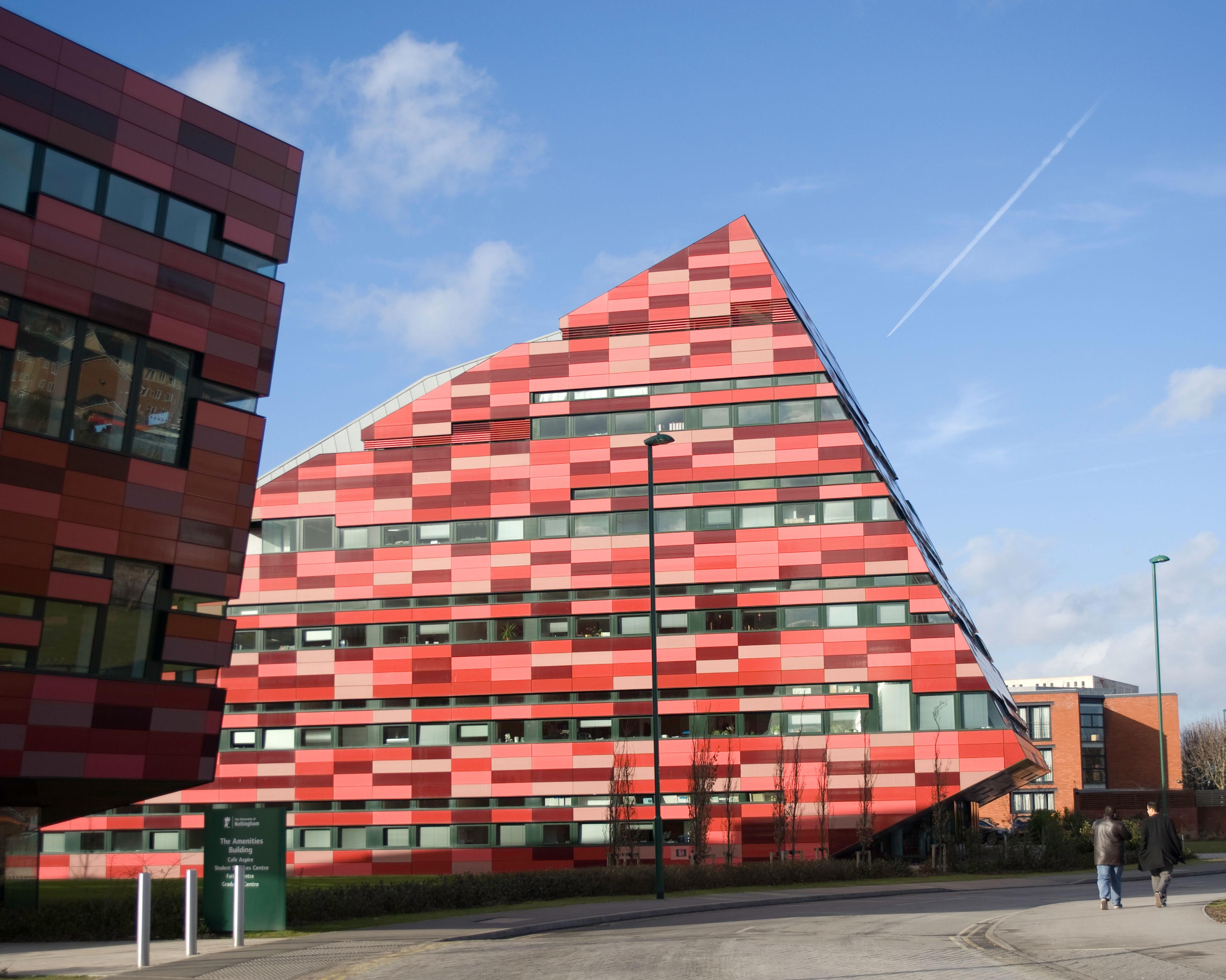
The University of Nottingham has notified 2,700 staff members that their roles are at risk of redundancy following a decision by the administration to implement deep financial cuts. The letters, issued on 12 May 2026, inform employees that their positions are under threat as part of a broader strategy to address what leadership describes as a critical funding squeeze.
Institutional officials state that the university could run out of money by 2031 if current trends continue. To mitigate this projected liquidity crisis, the administration plans to eliminate more than 600 academic and support posts through a combination of voluntary and compulsory redundancies. The cuts specifically target departments with low staff-to-student ratios, including physics, medicine, health sciences, and chemistry.
The University and College Union (UCU) has strongly opposed the moves, attributing the financial strain to past strategic decisions rather than external market forces. Union representatives argue that the £85m budget deficit recorded last year resulted from the ill-fated Castle Meadow expansion campus, which is now being written off, alongside one-off costs associated with a previous round of redundancies that saw 350 jobs lost.
UCU branch vice-president Andreas Bieler highlighted the union's view that the institution's financial strategy of reinvesting surpluses directly into new buildings has kept the university on the edge. He described the current situation as the most severe crisis the institution has faced, noting that management appears to underestimate the collective capacity of the staff to challenge these compulsory reductions.
In response to the proposed cuts, UCU members have passed a vote of no confidence in Vice-Chancellor Prof Jane Norman. Furthermore, staff are preparing a marking boycott, a form of industrial action that is likely to cause significant disruption to the administration's ability to ensure students can graduate in the summer.
A university spokesperson acknowledged the difficulty of the decisions but insisted that inaction was not an option given the changing sector demands. The administration maintains that these measures are vital to ensure the university remains sustainable for future generations and can continue to deliver world-leading teaching and research, despite the concurrent slump in international student numbers affecting the institution.