United Therapeutics partners with Varda Space for in-orbit drug manufacturing trials
A new collaboration between United Therapeutics and Varda Space Industries aims to determine if outer space conditions can produce novel drug polymorphs with improved stability and efficacy.
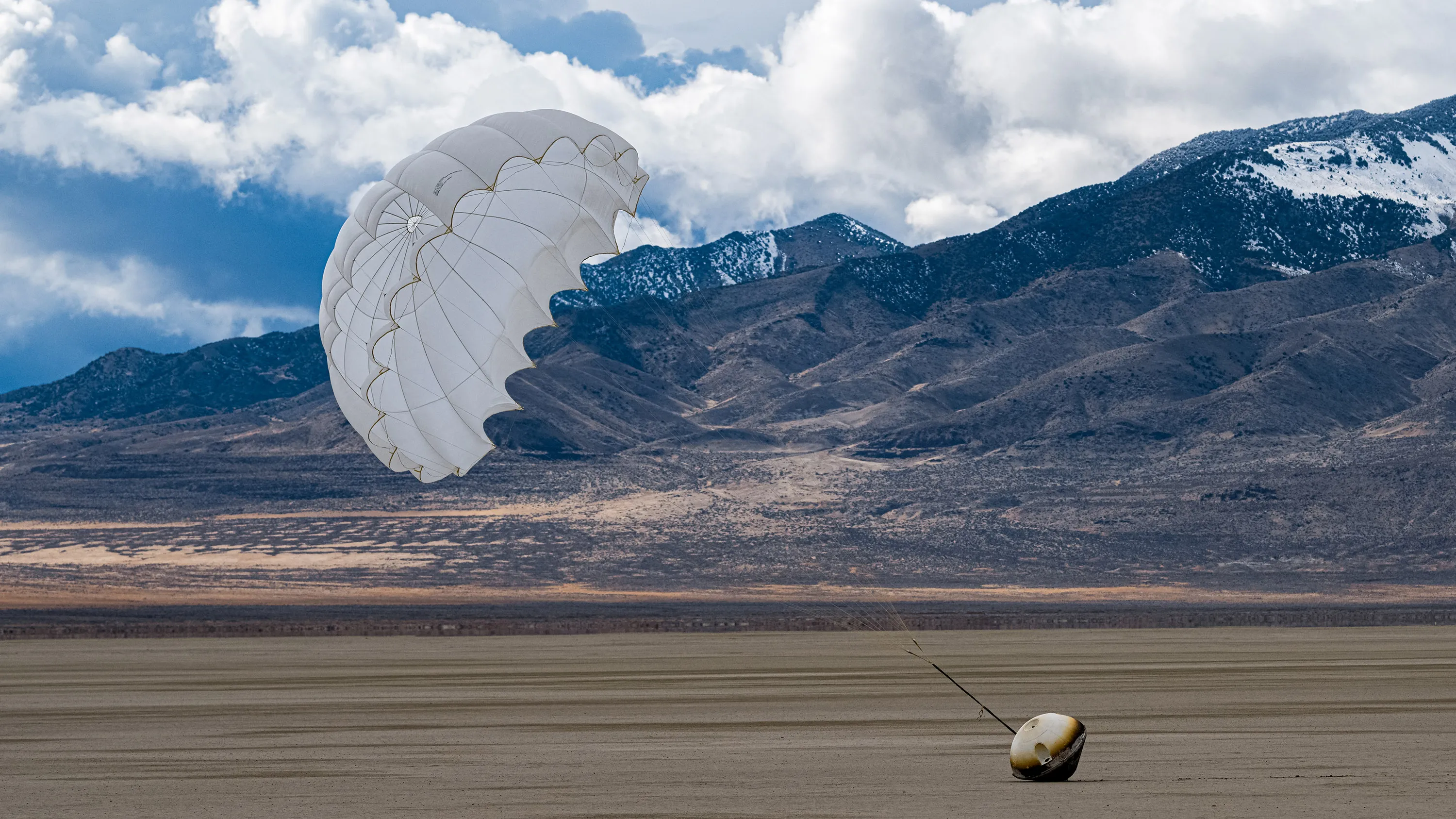
United Therapeutics has entered a commercial partnership with Varda Space Industries to conduct pharmaceutical manufacturing trials in outer space. The collaboration seeks to determine if microgravity conditions allow United’s drugs to form novel crystal structures, known as polymorphs, which could lead to improved stability and efficacy. Varda Space Industries will launch the pharmaceuticals into orbit using SpaceX rockets, with results expected to inform future drug formulations.
The deal marks a shift from previous government-backed experiments on the International Space Station to a commercial model. Michael Reilly, Varda’s chief strategy officer, described the agreement as “the first commercial path to products made in space.” The scientific premise is that chemical mixtures exhibit different properties under weightless conditions, potentially allowing drugs to take on atomic arrangements not seen on Earth.
United Therapeutics is led by CEO Martine Rothblatt, who confirmed that the company is paying Varda to identify new crystal forms of its drugs to test for improved properties. Pharmaceutical companies often reformulate drugs to extend patent protection and keep imitators at bay. This initiative represents a strategic effort to keep United’s blockbuster franchises alive by creating improved versions of existing medications.
Varda Space Industries was formed in 2021 by Delian Asparouhov of Founders Fund and Will Bruey, a former SpaceX engineer. The company purchases rides from SpaceX, which launches reusable Falcon 9 rockets frequently. Varda’s capsules land in the Australian outback after re-entering the atmosphere at approximately Mach 25. Half of Varda’s six launched craft have been dedicated to military research, including hypersonic missile technology for the US Air Force, while the other half carried drug-related demonstrations.
The specific terms of the deal and the exact drugs being studied have not been made public. Varda plans to launch United Therapeutics’ drugs into orbit sometime early next year. The cost of launching payloads into orbit is approximately $7,000 per kilogram, making most manufacturing impractical except for high-value items like pharmaceuticals.
Previous experiments have shown that crystals form differently in space. In 2017, Merck sent samples of its cancer immunotherapy drug Keytruda to the International Space Station, where it formed crystals of a single size. This offered clues for formulation changes, although Merck later used a different approach for its injection version. Varda’s effort with United is primarily an experiment to learn whether United’s lung medicines will crystallize differently in microgravity.
