Understanding Homeowners Insurance Coverage for Water Damage
Insurers frequently cap mold remediation between $5,000 and $10,000, while national average restoration costs sit around $1,536.
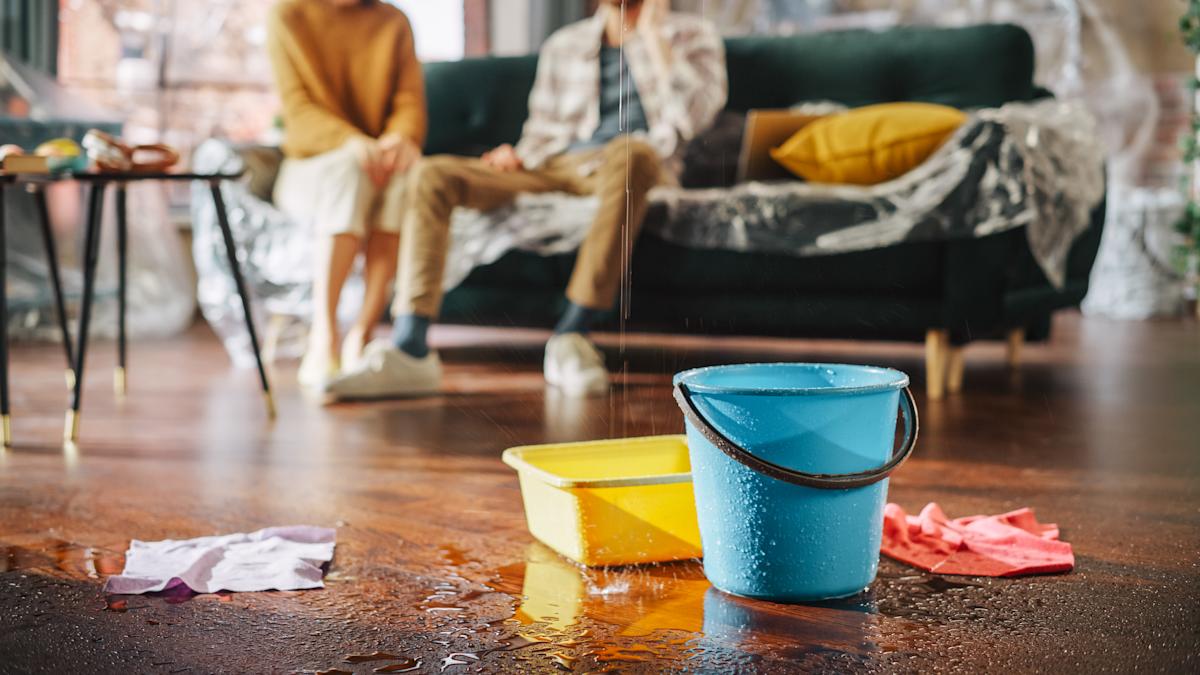
Standard homeowners insurance policies generally provide coverage for sudden or accidental water damage originating within the home, such as a burst pipe or an overflowing appliance. This protection often extends to damage caused by wind, hail, ice, or snow, including structural failures like a roof collapsing under the weight of ice. However, these standard policies typically exclude flood damage and gradual leaks unless the policyholder purchases additional specific coverage.
While the policy covers the structure of the dwelling and personal property damaged by a covered peril, it does not automatically cover water backup from sewers or sump pumps. This exclusion requires a separate add-on endorsement. Furthermore, while mold resulting directly from a covered water event is often included, insurers frequently impose a cap on this coverage, with limits commonly set between $5,000 and $10,000.
In the event that a claim is successful, coverage may also extend to costs incurred due to the home becoming uninhabitable. This can include short-term lodging, moving fees, storage costs, and increased food expenses. Restoration costs vary significantly depending on the region and the extent of the repairs, with national averages currently standing at approximately $1,536, though figures can range from $721 to $3,526.
To ensure a successful claim, homeowners are advised to take immediate action to mitigate further damage, provided it is safe to do so. This involves shutting off the water main if a pipe has burst and documenting the incident thoroughly with photographs or videos. The policyholder must then contact their insurer promptly to initiate the claims process and respond quickly to any inquiries from the claims adjuster.
Preventive measures play a crucial role in avoiding catastrophic loss. Homeowners should regularly check for leaks, maintain gutters, seal windows, and ensure rainwater drains away from the foundation. It is also essential to know the location of the indoor water shut-off valve, which is often found in the basement, to facilitate a rapid response during an emergency.
Although government assistance such as FEMA may be available for flooding, it is not a substitute for dedicated flood insurance. Coverage specifics ultimately depend heavily on the individual policy wording and the exact circumstances of the damage event, making it vital for owners to review their contracts carefully before a disaster strikes.