Unastella secures $24 million Series B to advance South Korean launch ambitions
The startup, which launched its Una Express-I rocket in May 2025, aims to reach 100 kilometres later this year to secure partnerships with major defence and aerospace firms.
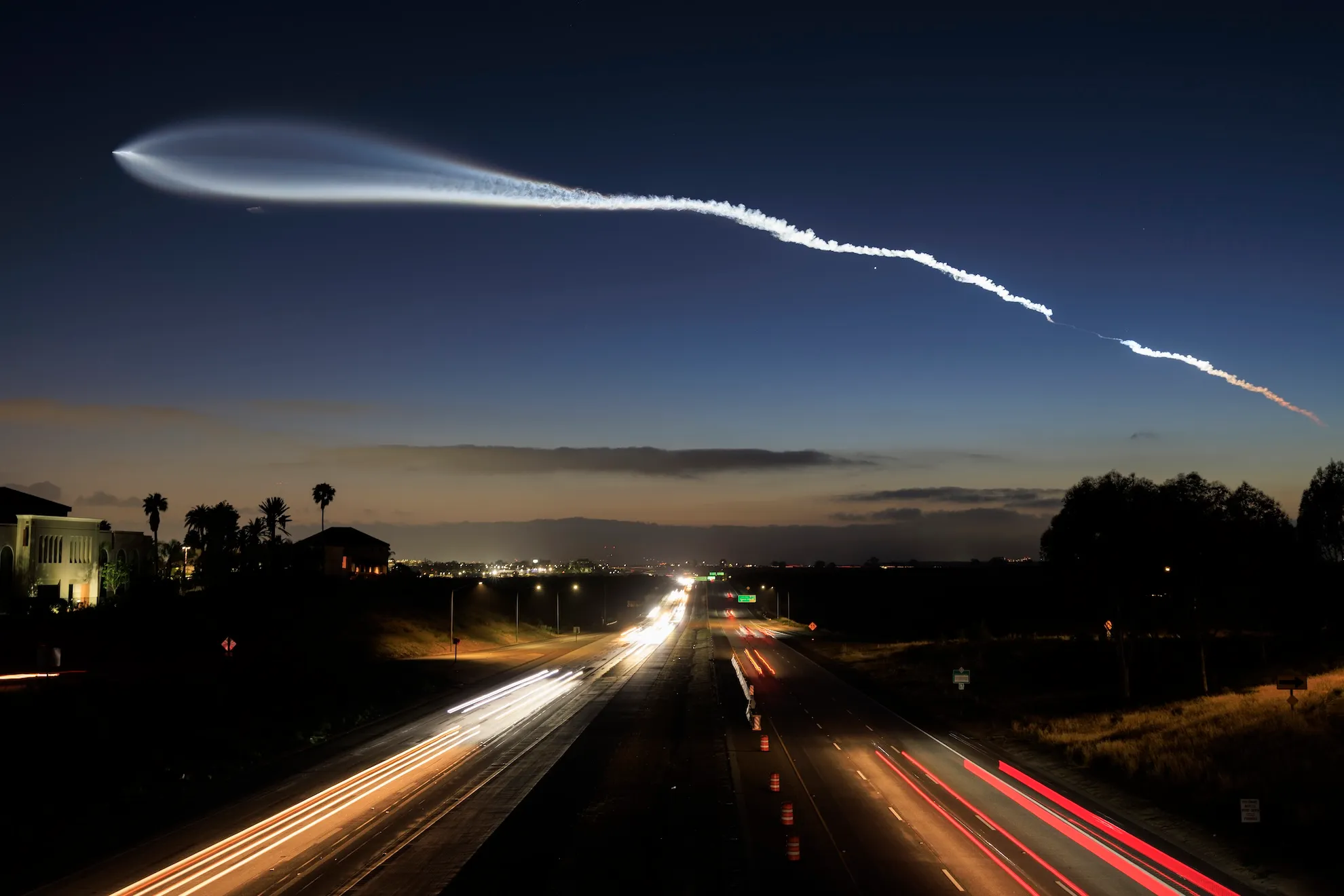
Unastella, a Seoul-based rocket startup, has closed a $24 million Series B funding round, bringing its total capital raised to $44 million. The investment, led by Altos Ventures and supported by the Korea Development Bank, Strong Ventures, and Hana Ventures, underscores investor confidence in the company’s roadmap to validate its technology for small satellite launch services. The capital will support Unastella’s ongoing development of proprietary launch vehicles and engines, utilising a kerosene and liquid oxygen propulsion system.
The company launched its Una Express-I rocket from South Korean soil in May 2025, marking the first real-world end-to-end test of its systems. Unastella distinguishes itself by swapping traditional turbo pumps for electric motor pumps, a design choice that reduces complexity and cost, albeit with a trade-off in payload capacity due to the heavier machinery. Founder and CEO Jae Park emphasised that the company is a commercial launch entity focused on rapid market entry rather than an R&D group seeking technical novelty.
Unastella handles all aspects of its operations in-house, including design, manufacturing, ground operations, and flight data analysis. This vertical integration is supported by technology transfers from the Korea Aerospace Research Institute (KARI), which has provided electric motor pump technology and flown components on the Una Express-I. Park’s background includes work on combustion systems for Korea’s Nuri rocket and European launch vehicle engines, providing a foundation for the startup’s technical approach.
The immediate focus for Unastella is validating its technology and business model through orbital launches, with crewed suborbital spaceflight identified as a longer-term objective. The company is targeting the launch of the UNA EXPRESS-II later this year, aiming to reach an altitude of 100 kilometres. Park stated that this milestone is critical for opening doors to partnerships with South Korea’s major aerospace and defence firms, a sector that includes Hanwha Aerospace, which acquired the Nuri rocket technology from KARI last year.
The funding comes as South Korea’s commercial space sector begins to take shape, with the government committing $266 million over seven years to build launch infrastructure through the Korea Aerospace Administration (KASA). While the global space launch market is projected to grow significantly, South Korea’s industry remains in its early stages, with competitors such as Innospace and Perigee Aerospace also vying for position. Unastella, now a 22-person team, aims to capitalise on this growing demand by establishing itself as a reliable provider of small satellite launch services.
