Ukraine faces dual crisis as port strikes kill civilians and defence shake-up sparks unrest
Civilian deaths in Mykolaiv, Kherson, and Odesa coincide with second day of protests over the removal of Defence Minister Mykhailo Fedorov, exposing fractures within Kyiv’s security apparatus.
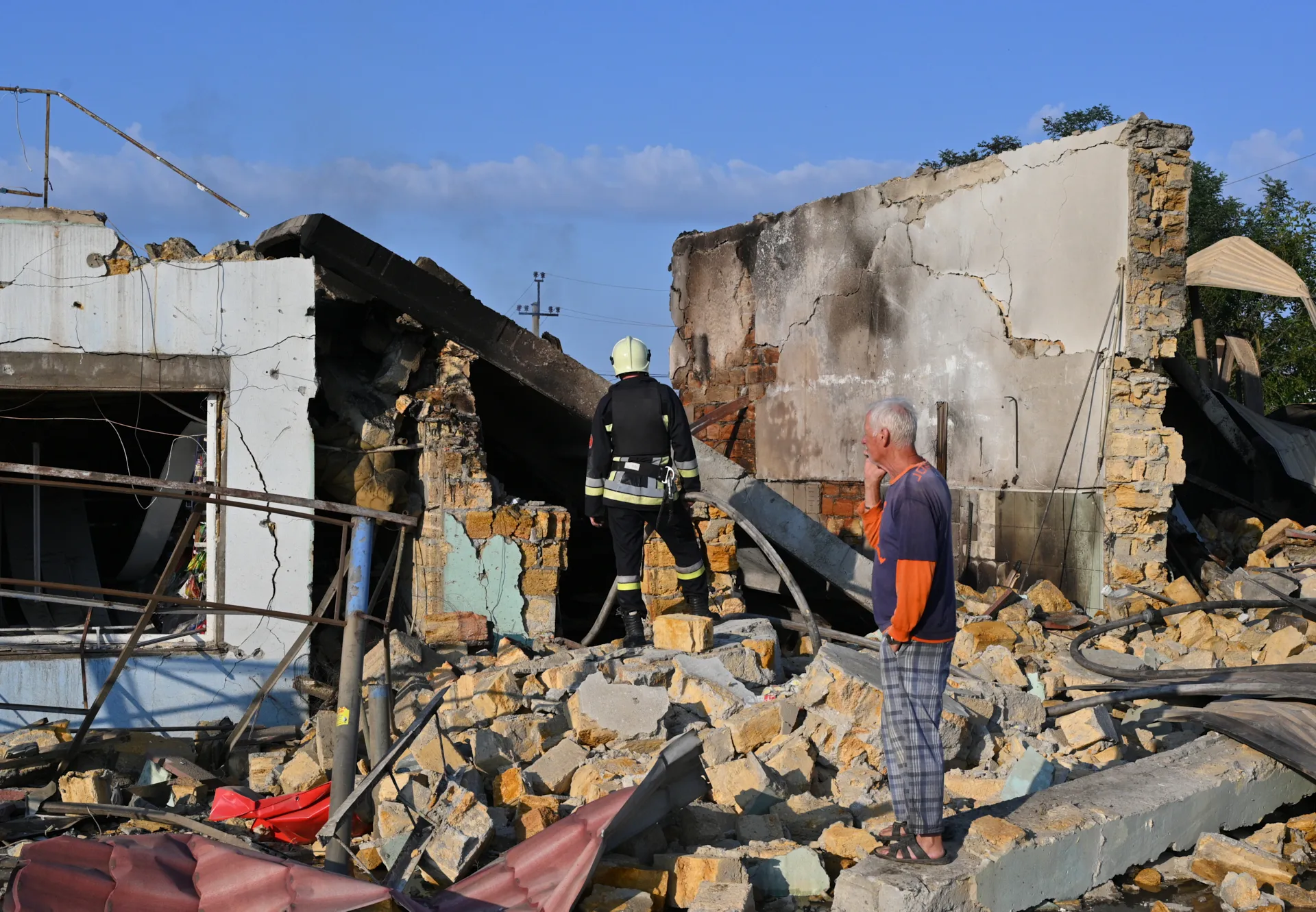
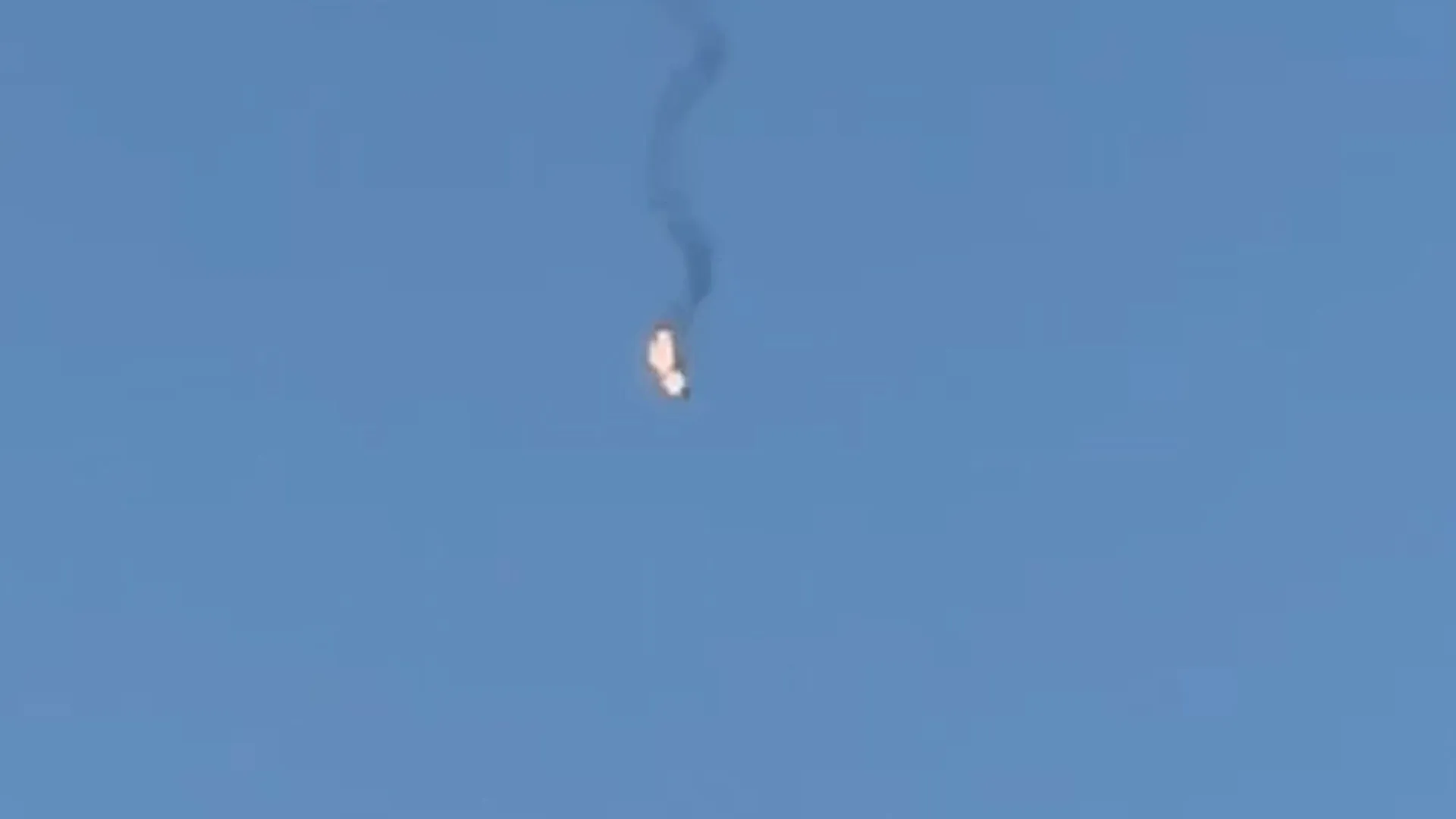
Russian drone strikes targeted port infrastructure in southern Ukraine on Friday, resulting in civilian casualties and damage to foreign-registered vessels. Local prosecutors confirmed that attacks in Mykolaiv damaged three ships, killing two Ukrainians on board. In Kherson, a drone strike killed a woman and injured six others, while a separate attack in Odesa, Ukraine’s largest seaport, claimed the life of a man. Serhii Lysak, head of the Odesa City Military Administration, stated on Telegram that the aggressor continues to terrorise civilians as hostilities intensify.
The maritime conflict has escalated significantly, with both sides exchanging claims of significant naval losses. Russia’s Ministry of Defence reported that its forces struck 24 Ukrainian military vessels in the Black Sea and Sea of Azov over the past week. In response, Robert Brovdi, commander of Ukraine’s drone forces, stated that Ukrainian forces hit 12 Russian vessels in the Black Sea on Friday, including two identified as tankers. Additionally, Ukraine’s military reported striking a Russian oil refinery in the Yaroslavl region. These engagements highlight the strategic importance of the Black Sea and Sea of Azov, which are critical for global grain exports.
Simultaneously, domestic political tensions have erupted following President Volodymyr Zelenskyy’s removal of Defence Minister Mykhailo Fedorov as part of a cabinet reshuffle. Fedorov, aged 35, was credited with modernising the defence ministry and contributing to recent military successes. His dismissal has exposed a bitter divide within Ukraine’s military establishment, particularly between Fedorov and Chief of the General Staff Oleksandr Syrskyi. Following his resignation, Fedorov publicly criticised Syrskyi, questioning Ukraine’s ability to defeat Russia under his command.
Protests demanding Fedorov’s reappointment have persisted for a second day in Kyiv and other major cities, including Kharkiv, Ternopil, Mykolaiv, Chernivtsi, and Lutsk. Demonstrators gathered outside Zelenskyy’s office in central Kyiv, with protesters such as 29-year-old Valeriia Balenko urging authorities to heed public demands to protect soldiers and civilians. The unrest underscores the political sensitivity of the defence leadership changes amid ongoing warfare.
In response to the reshuffle, Zelenskyy appointed Yevgeniy Khmara, head of the SBU security service, as acting defence minister, citing his experience with technological combat operations. Former Interior Minister Ihor Klymenko has been appointed to chair Ukraine’s defence and security council. The combination of external military pressure and internal political friction presents a complex governance challenge for the Ukrainian administration.