UK Unveils $1.47 Billion AI Supercomputer Plan to Curb US Tech Dependence
The British government has committed over $1 billion to a national AI supercomputer, with $530 million earmarked for hardware including specialist inference chips, aiming to reduce reliance on American technology amid shifting geopolitical ties.
The UK government has announced a $1.47 billion initiative designed to reduce its dependence on foreign-made artificial intelligence hardware. The plan, unveiled by Technology Secretary Liz Kendall on Monday, involves spending more than $1 billion on a national AI supercomputer. Of this total, $530 million is allocated specifically for hardware, including $200 million designated for specialist inference chips.
Procurement priority will be given to British startups, with the government explicitly naming Olix and Fractile as potential beneficiaries. These firms are developing new styles of inference chips, and the state-backed infrastructure is expected to provide them with critical early revenue. British researchers and startups are anticipated to gain access to the supercomputer starting in 2030.
The move is part of a broader strategy to achieve AI sovereignty and minimise reliance on US technology. This shift is driven by deteriorating geopolitical relations between the US and European counterparts, including tensions over Greenland, tariffs, and immigration. The European Union recently outlined a similar tech sovereignty proposal, reflecting a wider regional concern that dependence on American technology could become a strategic liability.
Kendall previously stated in an April speech at the Royal United Services Institute that the geopolitical settlement of the last 40 years has ruptured. She emphasised that AI sovereignty is about reducing overdependencies and increasing resilience, rejecting the notion that the race to dominate AI chip manufacturing is already lost to the US or China.
This initiative complements previous measures, including the establishment of AI growth zones in November 2024 and the launch of the $675 million SovAI venture fund in April. By acting as a large customer, the government aims to support domestic chip startups and incentivise them to remain in the country long-term.
Industry observers have welcomed the shift toward hard contracts. Ed Bussey, CEO at Oxford Science Enterprises, noted that the willingness to back UK businesses with innovative technologies is a significant milestone. His firm participated in Fractile’s 2024 seed round, highlighting the growing confidence in domestic semiconductor development.
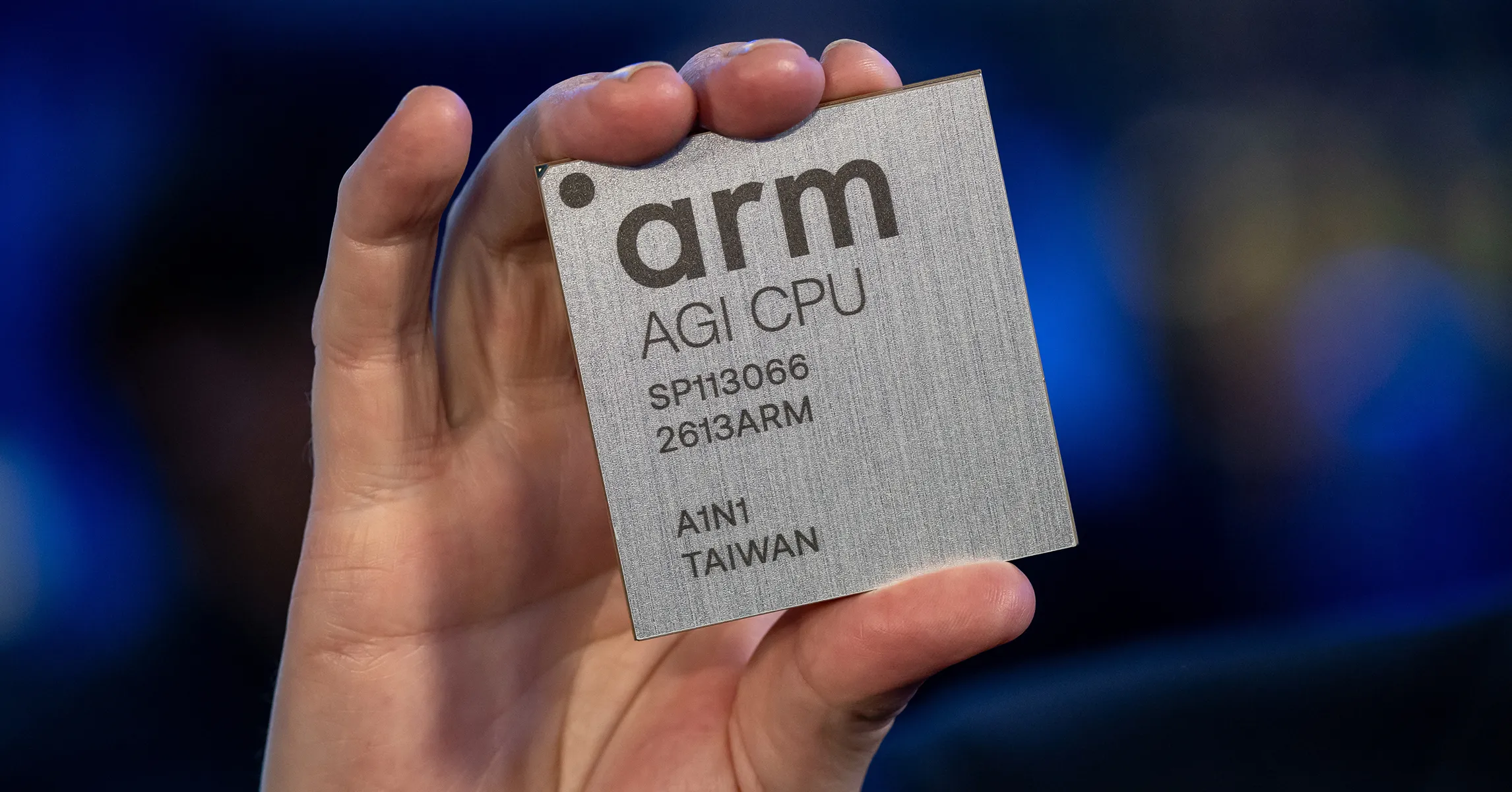
While the UK is home to prominent firms like ARM, semiconductor design and manufacturing are otherwise dominated by American and Asian companies. Keegan McBride of the Tony Blair Institute suggested that the UK can carve out a strategically important niche by specialising in specific areas of chip development, potentially creating leverage if other companies begin to depend on British chips.
