UK unemployment hits 5% as Iran conflict drives energy costs and labour contraction
Pay growth slows to 3.4% and payrolled employees drop by 100,000 in April, while the IMF upgrades growth forecasts amid strong Q1 performance.
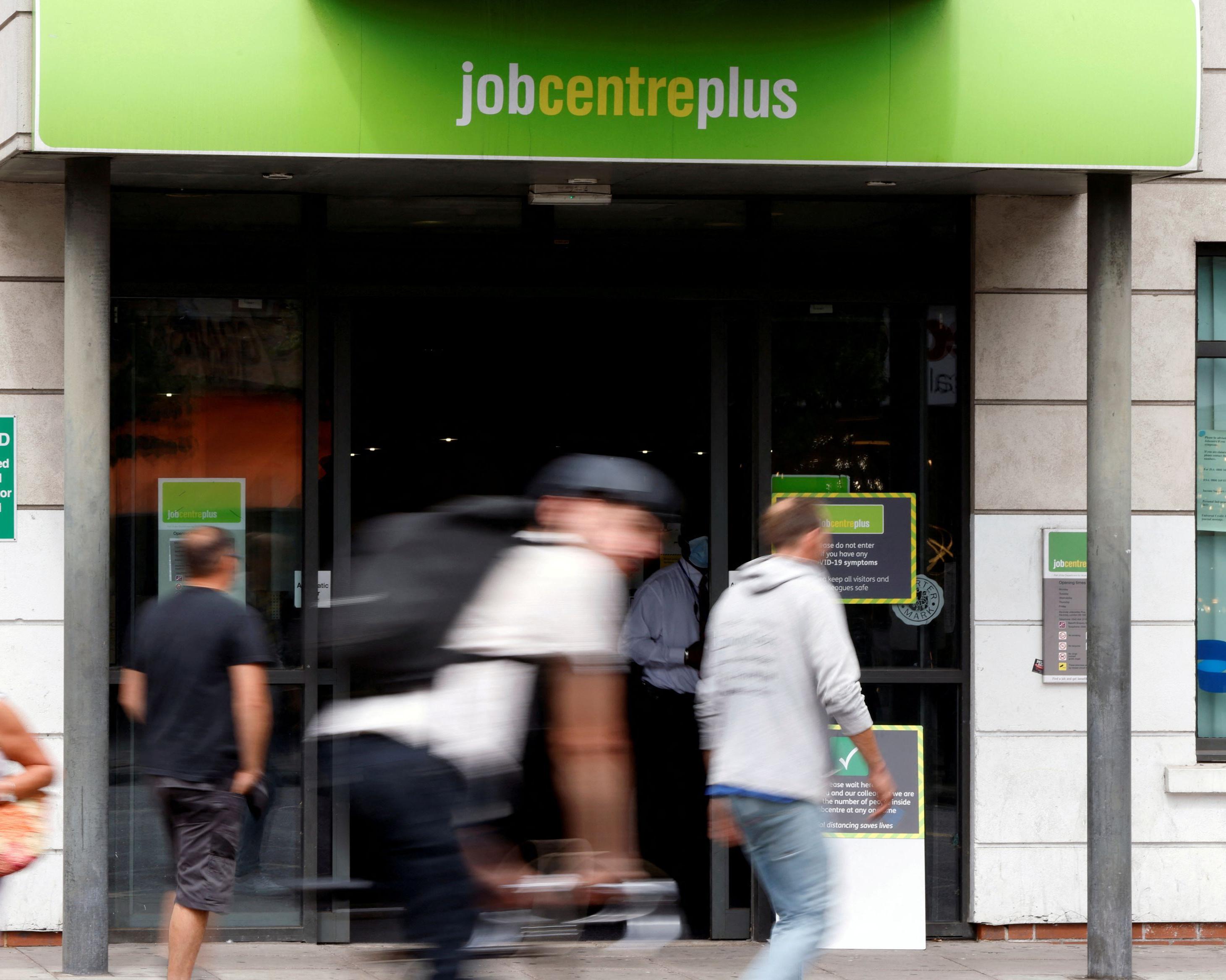
UK unemployment has unexpectedly risen to 5% in the three months to March, marking the first comprehensive data set reflecting how businesses are reacting to the Iran war. The Office for National Statistics reported that the rate increased from 4.9% in February, contrary to City economists’ expectations that it would remain stable. This shift coincides with a significant softening in the labour market, as firms grapple with soaring energy costs triggered by the conflict’s impact on global oil and gas supplies.
The onset of the Iran war on 28 February, which led to the effective closure of the Strait of Hormuz, has created immediate pressure on corporate balance sheets. Recent tax data indicates a sharp contraction in employment, with the number of payrolled employees falling by 100,000 in April following a 28,000 decline in March. These figures suggest that employers are adjusting their workforce sizes in response to rising input costs and uncertainty surrounding the geopolitical landscape.
Wage growth has also decelerated, easing to 3.4% year-on-year excluding bonuses in the three months to March, down from 3.6% in February. This represents the slowest nominal growth since the three months to October 2020. When adjusted for inflation, real wage growth was a mere 0.3%, highlighting the erosion of purchasing power for workers despite nominal increases. Including bonuses, wages rose by 4.1%, a slight uptick from the previous quarter’s 3.8% rise, but the underlying trend points to a cooling labour market.
Despite the deteriorating employment figures, the broader economy demonstrated resilience in the early stages of the year. The UK economy grew by 0.6% in the first quarter, with March alone contributing a 0.3% increase. This robust performance, described by the International Monetary Fund as evidence of “strong prewar momentum,” prompted the IMF to upgrade its 2026 growth forecast from 0.8% to 1% on Monday. The revision reflects the economy’s ability to withstand initial shocks while consumer surveys indicate growing fears of inflation and a cutback in discretionary spending.
Looking ahead, the Bank of England has revised its unemployment projections to account for the ongoing economic impact of the Iran war. The central bank expects unemployment to reach 5.1% by mid-2026, before rising further to between 5.5% and 5.6% by the summer of 2027. These forecasts underscore the tension between the UK’s strong quarterly growth and the structural challenges posed by energy price volatility and geopolitical instability.