UK retailers reject government push for voluntary food price freezes
Chancellor Rachel Reeves’ efforts to shield consumers from Middle East-driven inflation face stiff opposition from supermarket executives, who warn of operational burdens and unintended price hikes.
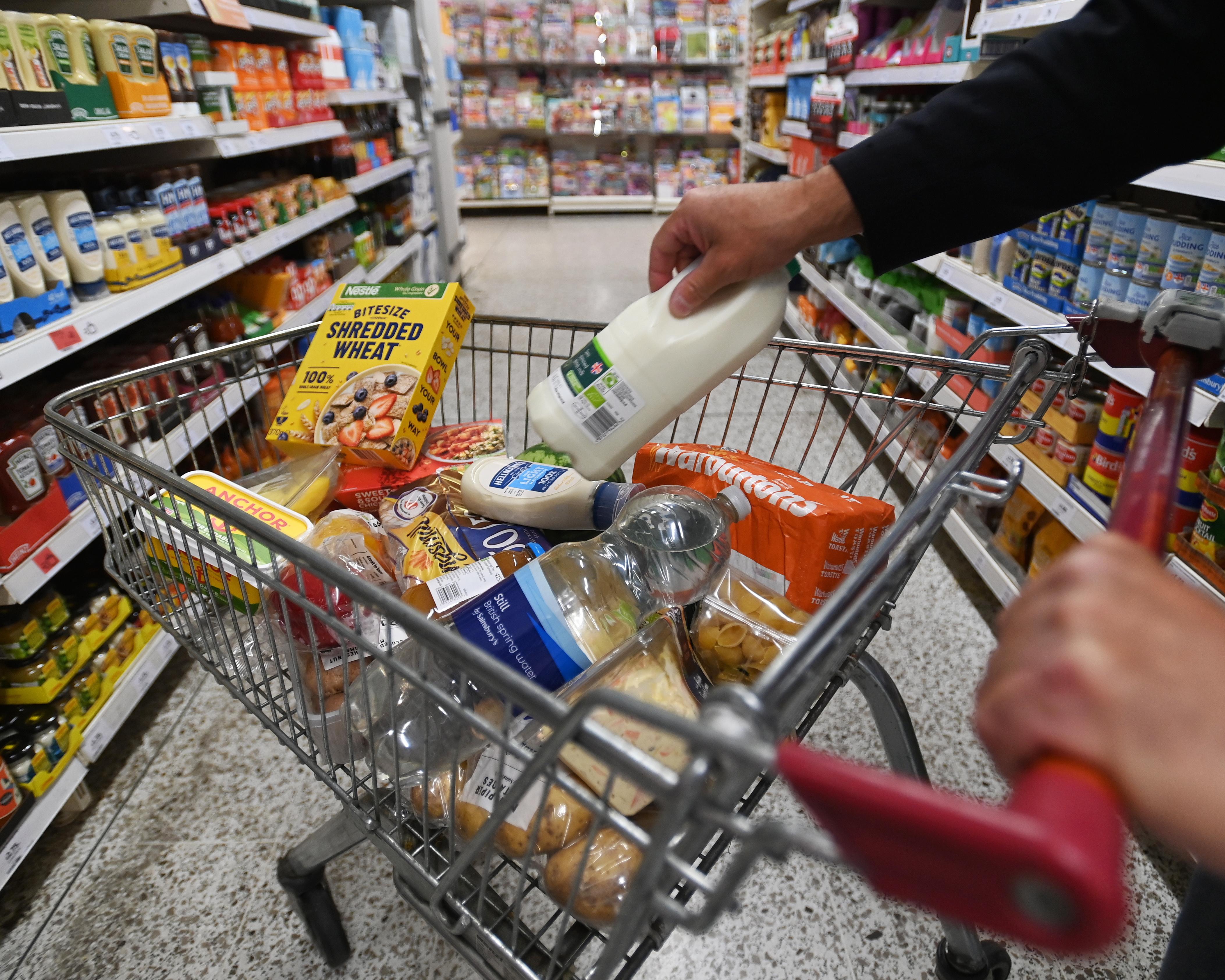
UK supermarkets have firmly rejected a government proposal to implement voluntary price freezes on essential food items, dismissing the initiative as an unnecessary intervention that could ultimately increase costs for consumers. The British Retail Consortium, representing major grocery chains, characterised the plan as unjustified, arguing that it would disrupt market mechanisms and fail to address the underlying drivers of inflation.
The proposal emerged as the government sought to mitigate the impact of rising food prices linked to the Middle East conflict. Chancellor Rachel Reeves had previously met with supermarket bosses to discuss cost-of-living pressures, with hopes that a voluntary agreement might be announced alongside broader economic measures. However, talks remain in early stages, and no formal request or agreement has been reached, according to sources familiar with the discussions.
Retail executives were scathing in their response, with one describing the idea as “completely mad” and another labelling it an “unnecessary, unwanted and unjustified intervention in the market.” Helen Dickinson, chief executive of the British Retail Consortium, emphasised that the UK already boasts the most affordable grocery prices in western Europe due to fierce competition. She urged the government to focus on reducing public policy costs rather than introducing what she termed “1970s-style price controls.”
Concerns among retailers centre on the operational complexities and financial risks associated with such controls. Sources indicated that while no formal mandate exists, discussions have included stocking basic items like bread, milk, and butter at a set low price. Executives warned that ensuring constant availability of these cheap variants could force retailers to discount branded or more expensive lines if cheaper stock ran out, creating significant operational burdens and potentially raising prices on other goods to recover lost profits.
The political landscape adds further complexity, with the Scottish National Party pledging to use devolved public health powers to fix prices on 20 to 50 essential staples. This move, announced during the launch of the party’s manifesto for the Scottish parliament election, has been dismissed by retailers as a “potty gimmick” and may conflict with the Scotland Act 1998. A UK government source clarified that Chancellor Reeves is not threatening mandatory caps, maintaining that any measures would remain voluntary, though the Treasury has yet to set out further details.