UK political editors reject claims of media-fuelled chaos in Westminster
Beth Rigby and Robert Peston respond to accusations that coverage of the UK’s political crisis has become akin to social media entertainment, asserting they are reporting on a serious, real-world governance emergency.
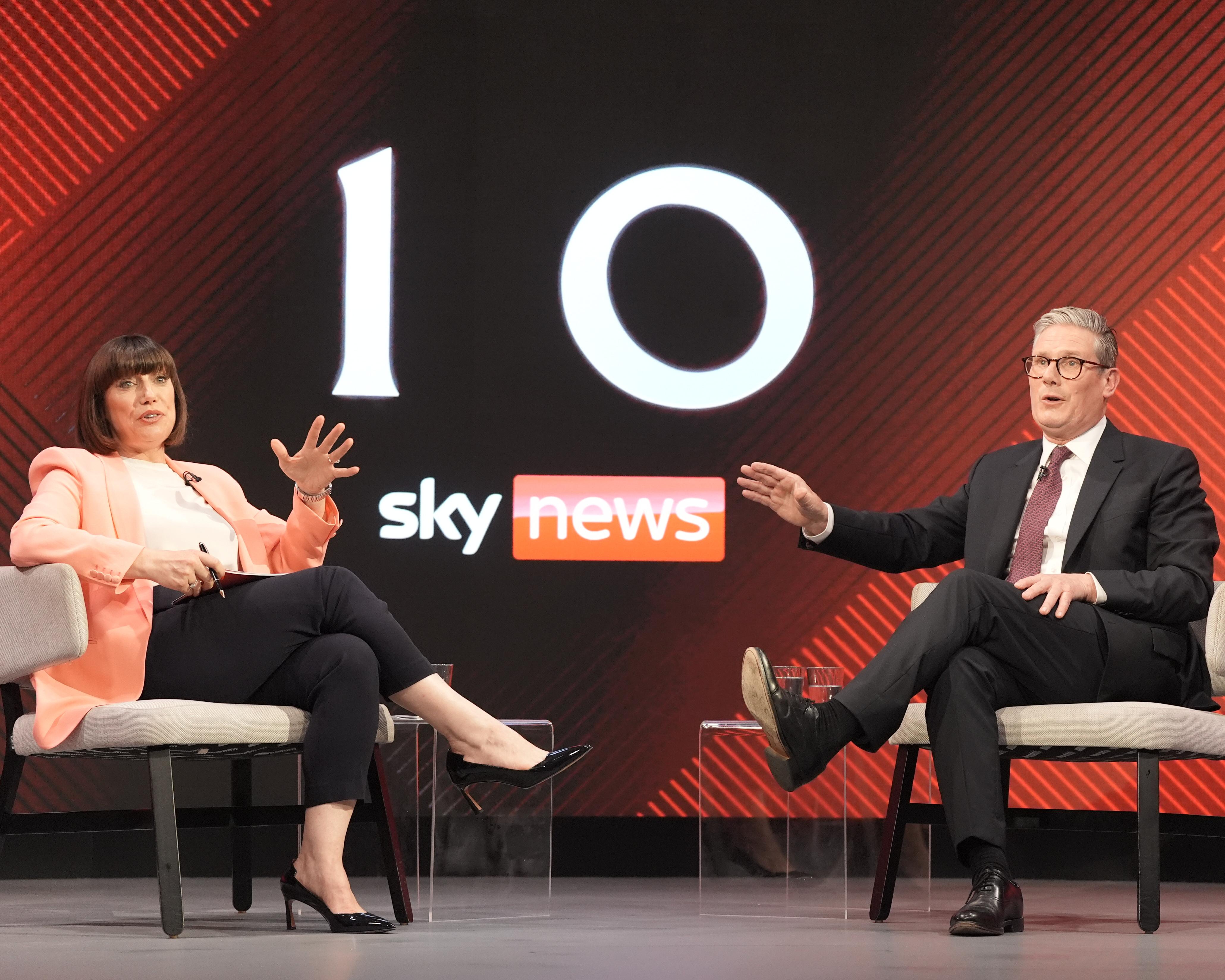
High-profile political editors have firmly rejected accusations that the media is addicted to political drama, arguing that politicians themselves are responsible for the current instability in Westminster. The comments from prominent figures including Beth Rigby of Sky News and Robert Peston of ITV News follow criticism that coverage of Prime Minister Keir Starmer’s leadership turmoil has devolved into social media-style entertainment.
The backlash against the press comes as Britain faces significant political uncertainty, with Starmer potentially becoming the seventh prime minister since the Brexit vote ten years ago. Despite Labour’s victory in the May election, the government has been engulfed in instability, leading to claims that political reporting is obsessed with infighting rather than policy. However, journalists told the Guardian that these claims are misguided and ignore the serious nature of the events unfolding in the country.
Rigby, who has served as Sky’s political editor since 2019, described the criticism as unfair, stating that she does not view the situation as a game or entertainment. She emphasised that the current "rolling leadership crisis" is a serious matter that weighs heavily on those covering it. Rigby noted that the instability has had tangible impacts on governance, revealing that she was unable to begin proper research into the King’s Speech until the night before its delivery due to the ongoing turmoil.
Peston, ITV News’s political editor since 2016, echoed these sentiments, asserting that the individuals "addicted to crisis" are the players in the political game, not the journalists. He argued that withholding information would be paternalistic and that the role of journalism is to provide voters with the facts so they can make their own decisions. Peston acknowledged that while he has made mistakes in the past by posting too quickly on social media, he has learned to use platforms like X more responsibly to avoid premature reporting.
Other voices in the media have offered a more critical perspective on the industry’s role. Nick Bryant, a former BBC US correspondent, and Tom Baldwin, author of Keir Starmer: The Biography, have suggested that politics has become a form of journalistic entertainment and that reporters need to examine their own behaviour. A veteran political journalist cited structural factors, including the sheer volume of news outlets and the ease of reaching MPs via WhatsApp, as reasons why parties can no longer control the narrative.
Despite the intensity of the current news cycle, which has accelerated over the last decade due to social media and 24/7 platforms, journalists maintain they are adhering to professional principles. Rigby stated that she spent weekends contacting dozens of sources to ensure accuracy in an uncertain environment, aiming to inform viewers without hyperventilating or being highly speculative. Both editors stressed that while the environment has changed, the core duty remains to report what is happening rather than creating it.
The debate highlights a tension between the public’s appetite for process stories and the need for substantive policy coverage. One journalist noted that while there is a reader bias towards drama, they strive to bring reporting back to policy where possible. Ultimately, the consensus among the responding editors is that the chaos is detrimental to the stability and prosperity of the country, and their role is to document it accurately rather than manufacture it.