UK narrows Darwin Initiative eligibility, excluding 89 nations from biodiversity funding
The UK government’s decision to restrict the Darwin Initiative to a smaller group of countries has drawn sharp criticism from environmental groups, who argue the move jeopardises critical ecosystems and contradicts recent international aid pledges.
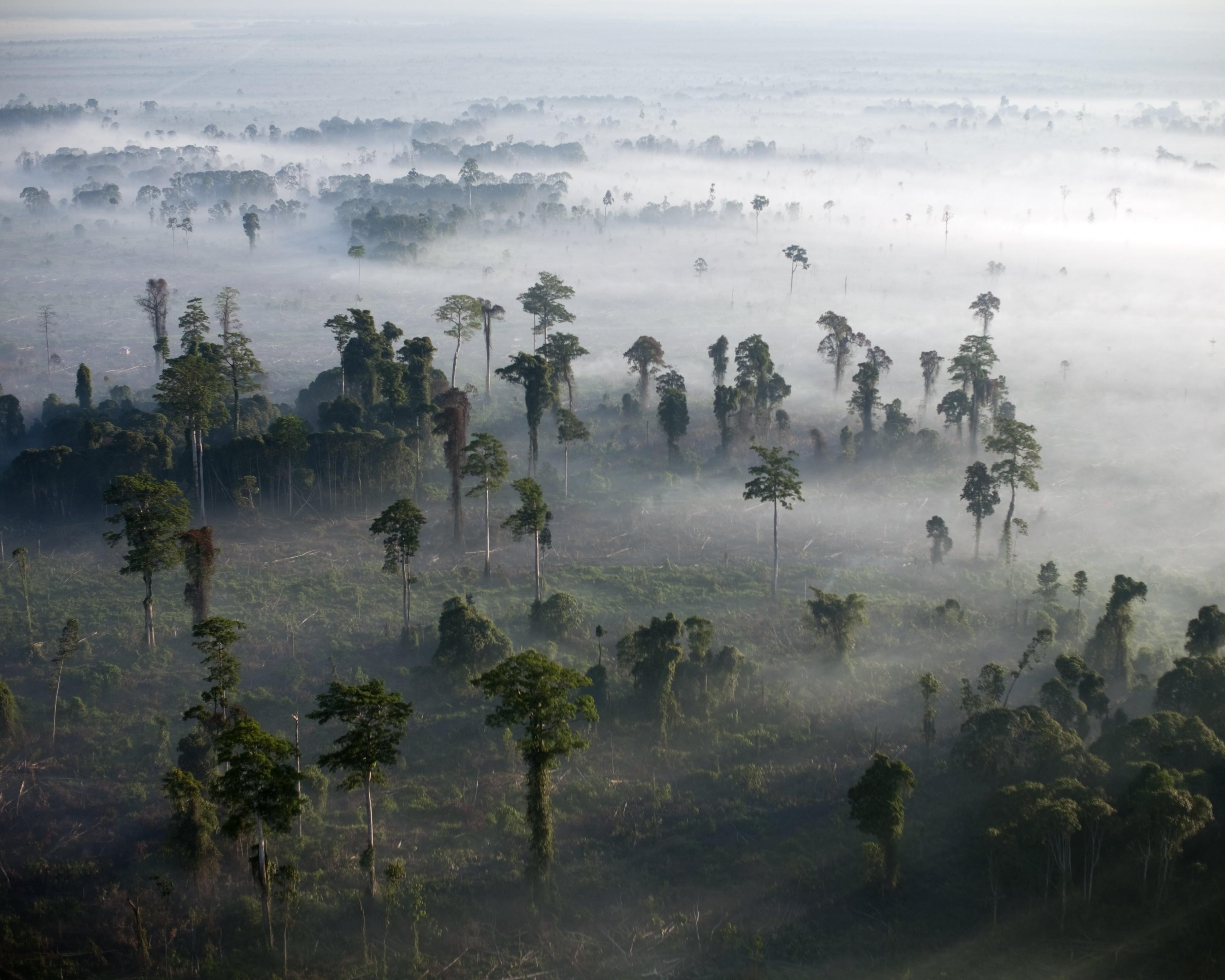
Conservation organisations have raised serious concerns following revelations that the UK government is drastically reducing the scope of the Darwin Initiative, a long-standing fund for global nature protection. At least 89 countries will lose eligibility for biodiversity project funding, a move that excludes most of Africa, central Asia, and significant portions of Latin America. The changes affect nations including Argentina, Iran, Sudan, Chad, Mali, and Angola, as well as Armenia, which is scheduled to host the next UN biodiversity conference in October.
The UK government stated that the restructuring aims to concentrate resources where biodiversity loss is most acute and where the initiative can deliver the most measurable impact. A spokesperson for the Department for Environment, Food and Rural Affairs (Defra) emphasised the trade-off between spreading efforts thinly and focusing on areas with the greatest potential for conservation and development outcomes. However, critics argue that the cuts undermine international commitments to scale biodiversity finance to $30 billion annually by 2030.
Andrew Terry, director of conservation and policy at the Zoological Society of London, warned that the reductions risk eroding trust in the UK’s ability to deliver on its promises. He noted that locally led organisations in vulnerable regions are losing vital backing at a time when communities and ecosystems face increasing pressure. Catherine Weller of Fauna & Flora echoed these sentiments, expressing shock at the extent of the geographic exclusions and highlighting the critical role the funding plays for communities living close to nature.
The Darwin Initiative, established in 1992 by former Prime Minister John Major at the Rio Earth Summit, has historically supported projects ranging from peatland fire reduction in Indonesia to the creation of Bhutan’s national botanical garden. While some excluded countries such as China, India, Mexico, and Turkey are rapidly emerging economies whose status has changed since the fund’s inception, analysis indicates inconsistencies in the new eligibility criteria. Notably, Brazil and Indonesia, both members of the G20, will remain eligible for funding despite the government’s stated intention to stop supporting G20 nations with international aid.
The reduction in eligibility coincides with broader cuts to the UK’s climate finance budget, which is being reduced to £2 billion a year, down from £11.6 billion over five years under the previous settlement. Ministers are also ending the earmark within the climate finance target that previously ensured at least £3 billion was spent on nature. This shift comes despite a January report by the UK’s spy chiefs warning that the collapse of vital ecosystems overseas, including the Amazon, poses a national security risk by potentially raising food prices and inciting migration.
Adrian Gahan of the Campaign for Nature argued that the UK is reneging on vital commitments and harming its own national interests. He pointed to the 2022 deal where donor countries agreed to help Global South nations protect rainforests and wetlands, describing these ecosystems as vital infrastructure. Meanwhile, Foreign Secretary Yvette Cooper has previously emphasised the UK’s moral purpose to support those trapped in crises caused by conflict or climate change, though civil society organisations remain frustrated by the increasing emphasis on private sector involvement in aid.
It remains unclear by how much the overall Darwin Initiative funding will be reduced, although existing funds are not being cut. The changes are expected to be the first of many cuts to nature projects this year, following an international aid conference hosted by the UK last week where climate and nature spending were celebrated. Conservationists warn that scaling back support now sets back global efforts to halt the precipitous decline in nature.