UK Local Elections: Energy Security and Rising Bills Become Central Battleground as Greens Challenge Reform Agenda
Ahead of Thursday's polls, experts argue the battle over energy policy is intrinsically linked to geopolitical instability, with tactical voting identified as critical in seats where Green and Reform parties are closely contesting.
The defining issue for Thursday's local elections across England, Wales, and Scotland appears to be the soaring cost of living, yet green campaigners are urging voters to recognise the direct link between rising bills and the UK's dependence on fossil fuels. Ami McCarthy, head of politics at Greenpeace UK, argues that the current energy crisis has a global context driven by geopolitical tensions, including the war in the Middle East, which fuels a fossil fuel crisis. She warns that choosing policies that keep the nation hooked on expensive, imported oil and gas will perpetuate a cycle of insecurity rather than offering a stable and affordable supply.
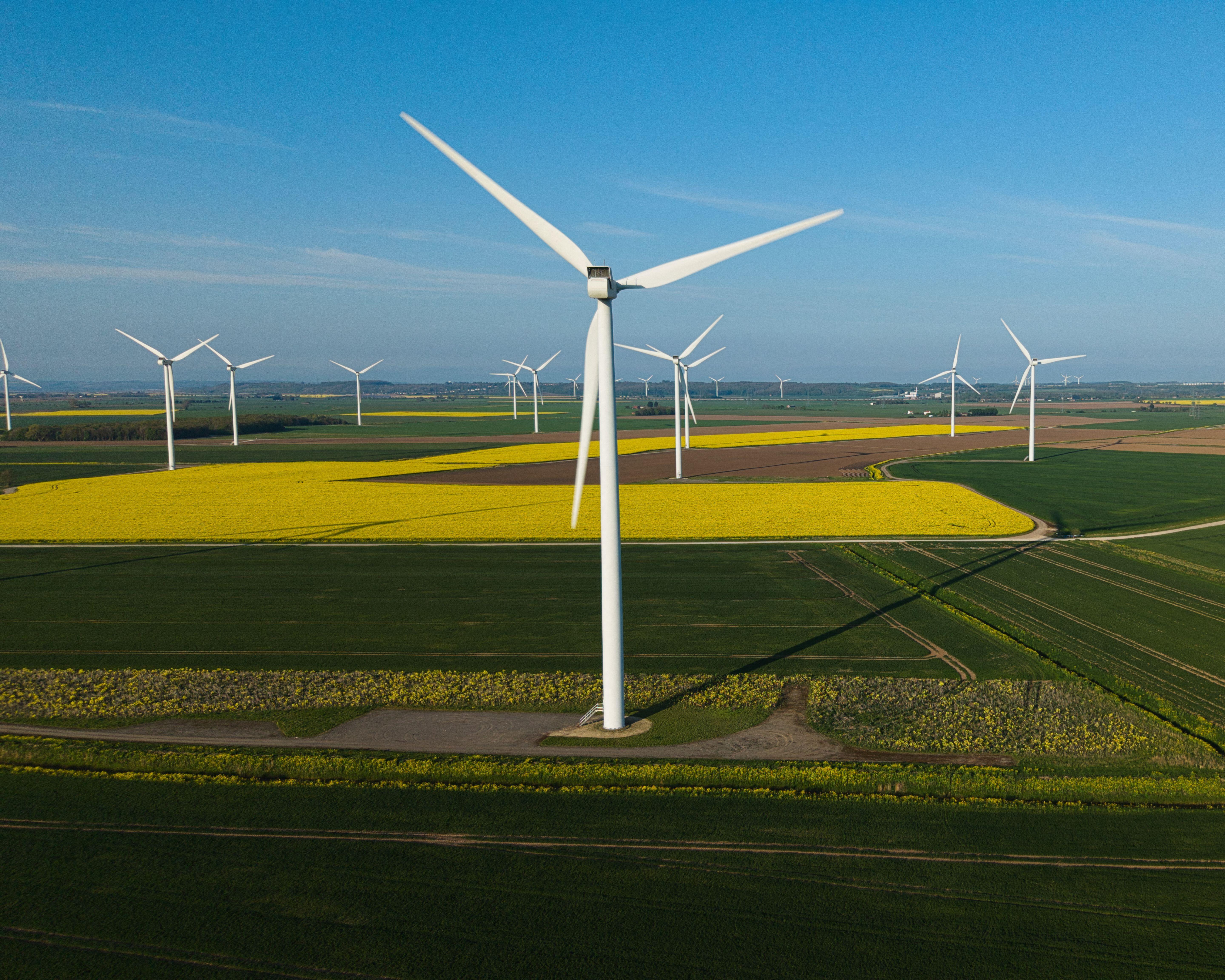
In contrast, energy leaders contend that transitioning to renewables provides a more secure and affordable future than relying on imported resources vulnerable to hostile forces. Fatih Birol, the head of the International Energy Agency, has stated that new oil and gas fields would do little to improve energy security or ease high prices. This view is supported by Mike Childs of Friends of the Earth, who argues that solar and wind energy are cheaper, more secure, and immune to strangleholds by external powers, whereas new extraction methods leave the nation exposed to global instability.
The Reform party, led by Nigel Farage, is expected to perform well in roughly 5,000 council seats and has vowed to block solar and wind farms while encouraging fracking. The party also plans to impose punitive taxes on renewable energy generation. While the Conservatives have embraced increased North Sea drilling and played down the climate crisis without explicitly denying it, critics argue these approaches fail to address the root causes of the cost of living crisis and ignore the broader environmental degradation affecting local communities.
Beyond energy, voters have expressed strong concerns regarding housing quality, access to green space, and the need for more frequent bus services. Water and air pollution remain significant issues for local residents, with Ed Matthew of the E3G thinktank noting that people want the pollution blighting their daily lives to end. These local grievances are compounded by rural voters who, according to the National Farmers' Union, are prioritising planning issues, rural crime, and poor internet connectivity. Farmers face extreme cost pressures for feed, fuel, and fertiliser, exacerbated by geopolitical tensions and unpredictable weather patterns.
Tactical voting is identified as a critical factor in determining outcomes, particularly in key marginal seats where the Green and Reform parties are closely contesting. The VoteClimate initiative has identified approximately 1,800 seats where the Green party has a chance of winning, including 114 supermarginals where the Greens and Reform are likely within 50 votes of each other. These tight contests, found in areas such as Hounslow, Croydon, and Oxford, suggest that the choice between opposing energy policies could come down to a handful of votes.
Campaigners suggest the solution lies not in expanding fossil fuel infrastructure but in properly taxing the profits of oil and gas companies to fund support for people and businesses during this turbulent time. With most people in Britain reportedly backing strong climate action that lowers bills and restores nature, the upcoming elections present a clear choice between maintaining a status quo of insecurity or adopting a strategy that offers a more resilient and affordable energy future.