UK government proposes voluntary overnight social media curfew for older teens
The proposal to deactivate autoplay and infinite scrolling features by default follows the June announcement of a strict ban for children under 16, with implementation expected under Prime Minister Andy Burnham’s administration.
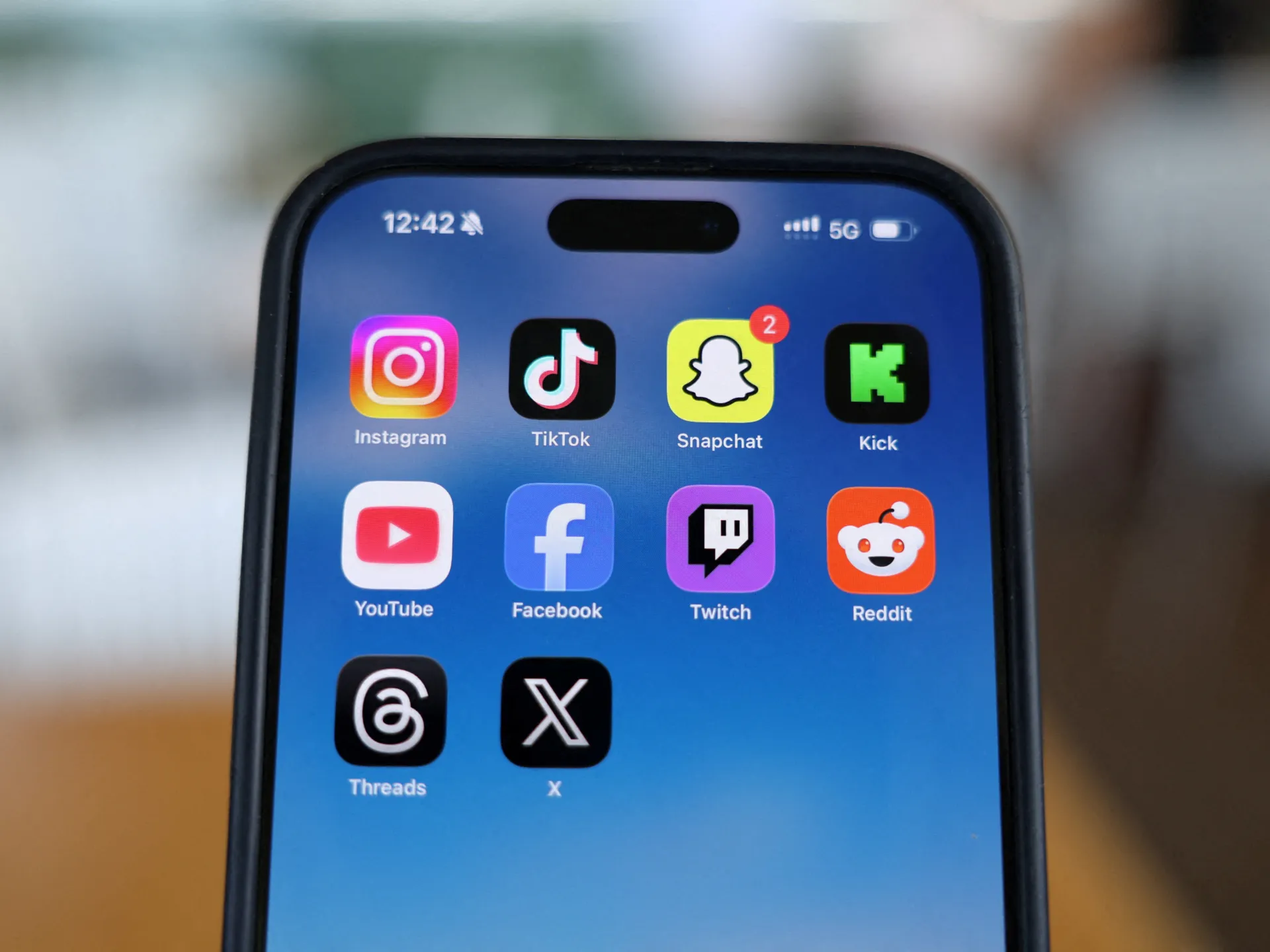
The UK Labour government has proposed a voluntary overnight social media curfew for 16- and 17-year-olds, introducing a default six-hour lockout from midnight to 6am on platforms including Instagram, TikTok, and YouTube. The measure, announced by the administration on Wednesday, also mandates the deactivation of autoplay videos and infinite scrolling features for this age group to encourage better sleep and focus. Unlike the strict prohibition for younger children, this initiative allows users to bypass the restrictions, reflecting a softer regulatory approach for older adolescents.
This policy follows the June announcement by outgoing Prime Minister Keir Starmer of a blanket ban on social media for children under 16, which is scheduled to take effect in 2027. The UK’s restrictions align with a growing global crackdown on youth digital access, notably mirroring Australia’s world-first ban on social media for under-16s enacted on 10 December 2024. That Australian legislation is currently being tightened following studies indicating that teenagers can easily circumvent the restrictions.
Online Safety Secretary Kanishka Narayan defended the voluntary nature of the curfew, citing data from pilot schemes where more than 90 percent of teenagers kept the restrictive default settings active. Speaking to Sky News, Narayan rejected criticism that the measures would be ignored, stating the government aimed for a “smooth slope” into adulthood rather than outright bans for older teens. “We want to empower our teenagers,” Narayan said, asserting that the evidence base supported the efficacy of the default settings.
Opposition figures and child safety advocates have expressed significant scepticism regarding the policy’s effectiveness. Laura Trott, the Conservative Party’s education spokesperson, dismissed the plans as illogical, arguing that curfews which can be switched off will not achieve desired outcomes. The National Society for the Prevention of Cruelty to Children (NSPCC) welcomed the development but warned it was merely a “sticking plaster” that fails to address addictive algorithms without stronger legislative measures.
The proposals require formal legislation and represent some of the final steps of Starmer’s administration. Consequently, the responsibility for implementing these measures is expected to fall to his anticipated successor, Prime Minister Andy Burnham. The debate highlights the ongoing tension between protecting minors from digital harm and maintaining individual agency in an increasingly connected environment.