UK government defies US pressure to proceed with under-16 social media ban
Downing Street confirms restrictions on youth digital access will move forward next week, despite diplomatic warnings from Washington regarding technical feasibility and free speech concerns.
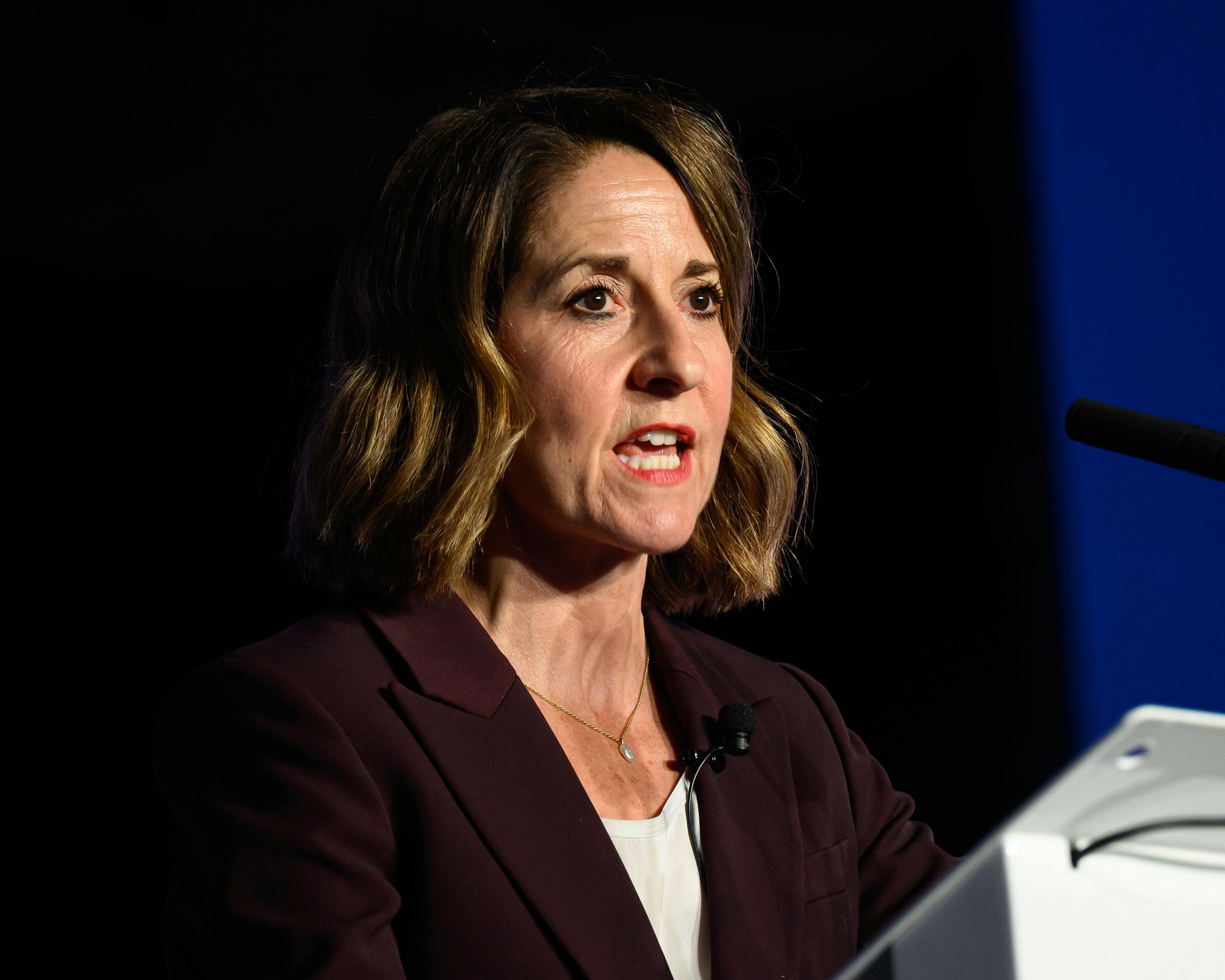
The UK government has confirmed it will proceed with a proposed ban on social media use for children under 16, rejecting intervention from the US administration. Technology Secretary Liz Kendall stated she was not concerned “in the slightest” by the Trump administration’s opposition, asserting that the White House’s displeasure would not deter London from cracking down on tech platforms.
Kendall cited a government poll indicating that three-quarters of respondents supported the under-16 ban, adding that nine out of ten parents in the consultation backed the measure. She emphasised that her priority remained “British young people” and families, denying that there was any tension between seeking investment from US AI companies and implementing regulations that affect major American tech firms.
The announcement, expected next week, will detail restrictions alongside potential limits on stranger interactions on gaming platforms and AI chatbot use. This regulatory shift follows the implementation of a similar under-16 ban in Australia, where platforms such as TikTok, Facebook, Instagram, and Snapchat are blocked for minors.
The US Embassy in London issued a notice opposing the move, arguing that age-gating for 13- to 16-year-olds is technically unfeasible. The US government’s submission to the online safety consultation warned against “prescribed one-size-fits-all government restrictions,” urging the UK instead to provide parents with robust tools to manage privacy settings and account controls.
Diplomatic tensions have intensified, with US officials criticising the UK’s Online Safety Act as a threat to free speech. Vice-President JD Vance has described free speech in the UK as “in retreat,” while the US embassy expressed concern that regulations impose disproportionate compliance burdens on American companies. Concurrently, Meta is seeking a judicial review of the act’s fees and fines regimes, while the Molly Rose Foundation has cautioned against blanket bans, advocating for strict safety standards on algorithms instead.