UK government abandons digital ID scheme in pivot to energy tax cuts
The new administration redirects savings from the scrapped £1.8 billion identity card initiative, responding to significant public opposition and cost-of-living pressures.
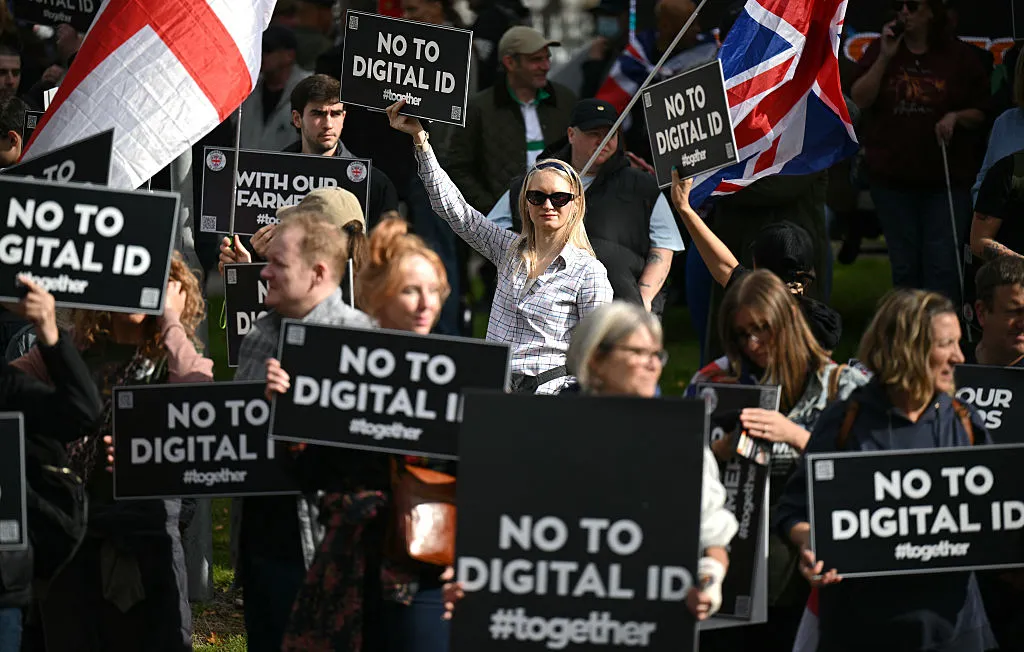
The incoming United Kingdom government, led by Prime Minister Andy Burnham, has officially abandoned the controversial digital ID card programme previously introduced by former leader Keir Starmer. The decision marks a significant policy reversal for the new administration, which cited the need to address immediate household financial pressures over the implementation of the identity system.
Finance Minister John Healy stated that the cancellation would generate savings to fund a tax cut designed to reduce household electricity bills. Healy described the move as an effort to provide "breathing room on bills" and offer reassurance to families during the winter months. The policy involves a reduction in Value Added Tax (VAT) on household electricity, removing the standard 5% charge for a period of six months starting 1 October.
The digital ID card scheme had been a flagship initiative of Starmer, who argued that state-issued identification would help crack down on illegal migration and modernise access to government services. However, the proposal faced intense scrutiny, with critics arguing it would facilitate state surveillance. The plan drew comparisons to a similar identity card programme introduced under the Tony Blair government in the 2000s, which was ultimately scrapped in 2011 by a subsequent coalition government.
Public opposition to the mandatory cards was substantial, with a parliamentary petition garnering close to 3 million signatures. This made it the second-largest public parliamentary petition on record. The financial viability of the scheme was also questioned, with the estimated cost of £1.8 billion ($2.4 billion) over three years coming under dispute because funding was allegedly never allocated.
Burnham formally replaced Starmer on Monday, following the former prime minister's announcement of his intention to resign on 22 June. The cancellation of the ID programme represents the first major policy shift by the new government, which is seeking to stabilise the political landscape amid a broader cost-of-living crisis driven by rising energy costs.
