UK Foreign Secretary Warns of Global Food Crisis as Strait of Hormuz Closure Freezes Fertiliser Supplies
The UK government links agricultural supply chain disruptions to national security, announcing new climate and health partnerships at the Global Partnerships conference in London.
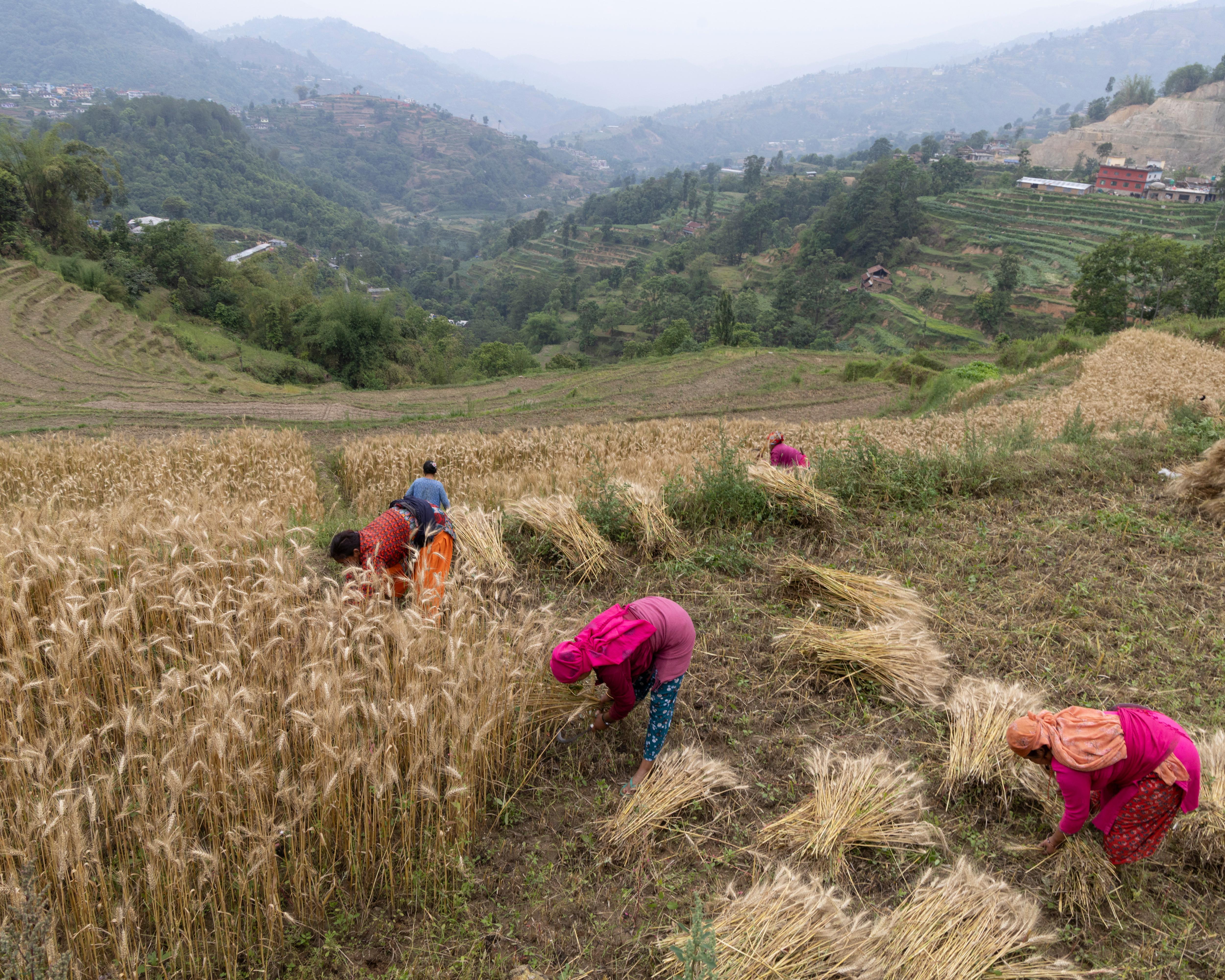
UK Foreign Secretary Yvette Cooper has issued an urgent call for global diplomatic pressure to reopen the Strait of Hormuz, warning that the ongoing closure by Iran is precipitating a worldwide food crisis. Speaking at the Global Partnerships conference in London, hosted jointly by the UK and South African governments, Cooper emphasised that fertiliser shipments have been frozen, creating severe supply crunches that are already damaging agricultural sectors in the UK, Europe, and the United States.
The Foreign Secretary described the situation as the world sleepwalking into disaster, noting that harvests are suffering and food prices are rising. With spring being the crucial planting period in the northern hemisphere, Cooper argued that immediate action is required to ensure farmers have access to fertiliser and fuel. She stated that tens of millions of people could face hunger if the international shipping lane remains hijacked, highlighting that the crisis impacts both developed and developing nations, as well as private and public sectors.
The conference, supported by the Children’s Investment Fund Foundation, aimed to redefine international development partnerships. During the event, British International Investment announced £4.6bn in climate investment for emerging markets, alongside $250m for the African Development Bank and an increased UK shareholding in the Inter-American Development Bank. Cooper also unveiled a new health partnership to support children injured in Gaza and a £200m investment in science and technology.
Cooper linked overseas instability directly to UK national security, citing a report from the country’s spy bosses regarding ecosystem collapse. The report warned that the climate-driven degradation of key ecosystems in developing nations would have devastating impacts on the UK. Despite this warning, the government has not publicly disclosed its response, even as climate finance has been reduced to £2bn annually over the next three years. Jenny Chapman, the minister for development, asserted that partnerships with the private sector could more than double available aid.
Critics from Oxfam GB urged the government to reverse recent aid cuts, which have reduced the UK’s overseas aid budget to 0.3 per cent of gross national income. Richard Hawkes, chief executive of Oxfam GB, argued that these cuts risk deepening global instability and inequality. He called for a permanent ceasefire in the region and suggested that taxing the super-rich and major polluters would be necessary to fund poverty alleviation efforts. The World Food Programme estimates that nearly 45 million more people could fall into acute food insecurity if the conflict does not end by mid-year.