UK firms raise prices at fastest rate in three years as energy and wage bills surge
Inflation in the services sector hits a three-year high, driven by fuel, wages, and materials, while the ongoing conflict in the Middle East threatens to undermine economic confidence.
A recent survey conducted by S&P Global indicates that firms across the United Kingdom are raising prices at the fastest rate recorded in over three years. This surge in pricing is primarily attributed to escalating energy and wage bills, alongside increased expenses for raw materials such as metals and plastics. The data highlights a significant shift in how businesses are managing their cost structures, with many turning to specific mechanisms like fuel surcharges to offset the financial pressure.
The services sector, which constitutes approximately 81 per cent of the British economy, has seen its activity gauge rise slightly to 52.7 in April, up from an eleven-month low of 50.5 in March. Despite this marginal improvement, nearly six in ten firms surveyed reported that average costs had increased during the month. Tim Moore, economics director at S&P Global, noted that the rise in costs was overwhelmingly linked to greater transportation bills and increased salary payments, contributing to a spike in charged inflation across the service economy.
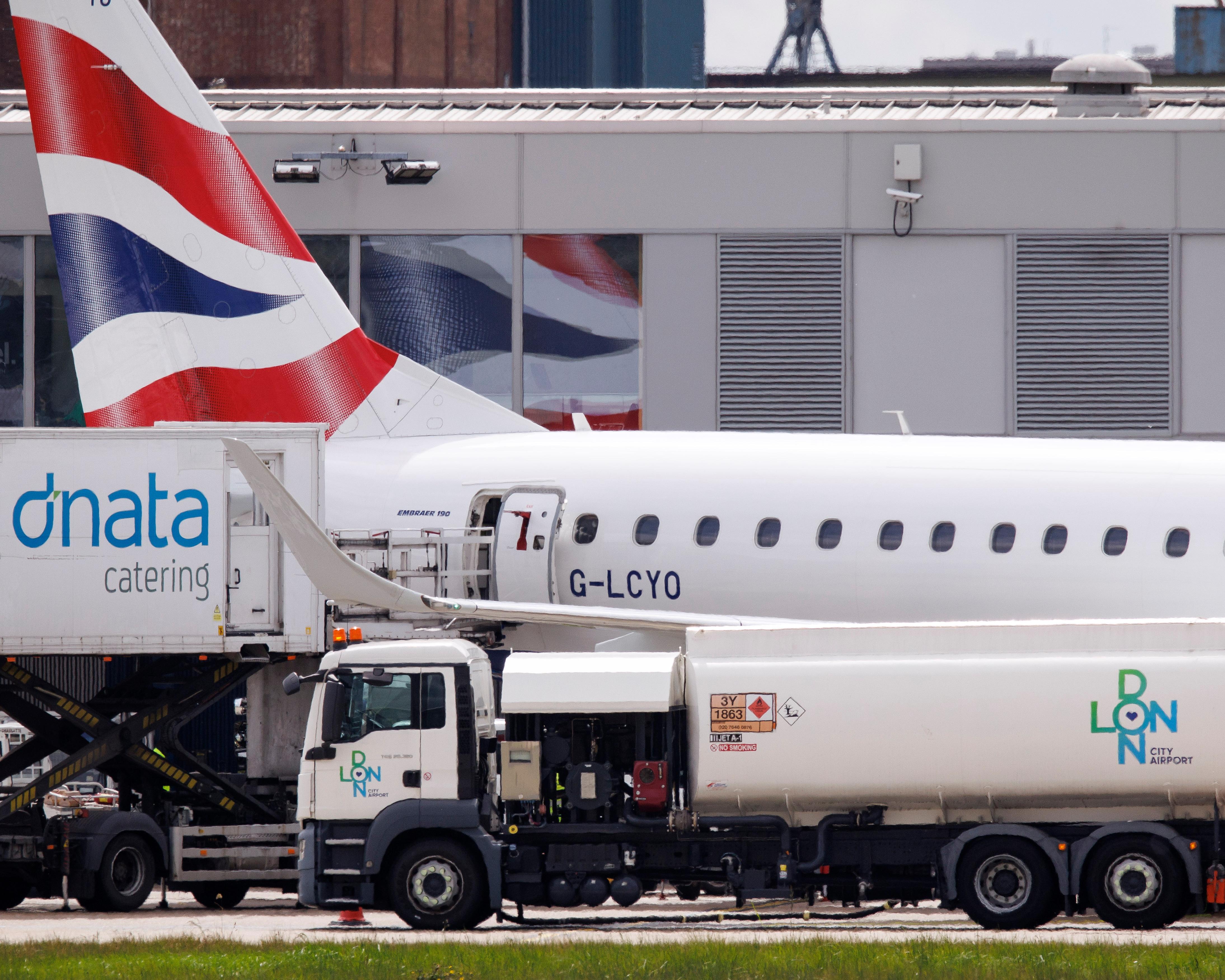
Airlines have been particularly visible in their response to these rising operational costs. Virgin Atlantic has introduced a specific fuel surcharge of £360 for business class tickets, which has fallen to £50 for economy class. Meanwhile, IAG, the conglomerate owning British Airways and other carriers, confirmed it would make pricing adjustments to reflect higher fuel costs, though it has not explicitly labelled the move as a surcharge. Virgin Atlantic's new chief executive, Corneel Koster, stated that making a profit this year remains hard amidst these financial headwinds.
The underlying driver of this inflationary pressure is the ongoing conflict in the Middle East, specifically the war involving Iran, which continues to weigh heavily on business confidence. While Brent crude prices fell below $100 a barrel due to hopes regarding US efforts to reopen the Strait of Hormuz, the volatility remains a critical factor. The disruption to energy supplies is a key concern for policymakers, with Bank of England Governor Andrew Bailey warning that prolonged issues in this area could make the economic scenario significantly more difficult.
Economists caution that the recent improvement in the services sector activity gauge may prove short-lived. The ultimate impact of the current crisis is expected to be a rising unemployment rate and weaker economic growth, potentially leading to a short and shallow tightening cycle regarding interest rates. However, the widespread price rises are expected to further pressure the Bank of England to consider raising interest rates, despite recent pauses in borrowing costs.
Thomas Pugh, chief economist at the consultancy RSM UK, emphasised that everything depends on how energy prices move going forward. He noted that while the risk of rate hikes is rising, the prolonged nature of the energy supply disruption could complicate the outlook for the UK economy. The situation remains uncertain, with much of the future trajectory depending on the evolving dynamics of the conflict in the Middle East and its direct effect on global energy prices.