UK family accuses FCDO of institutional failure over Grenada homicide
The family of Andrew Frederick, a 47-year-old British man found dead in Grenada, has launched a public campaign after the Foreign, Commonwealth and Development Office refused to refer the case to its specialist murder team.
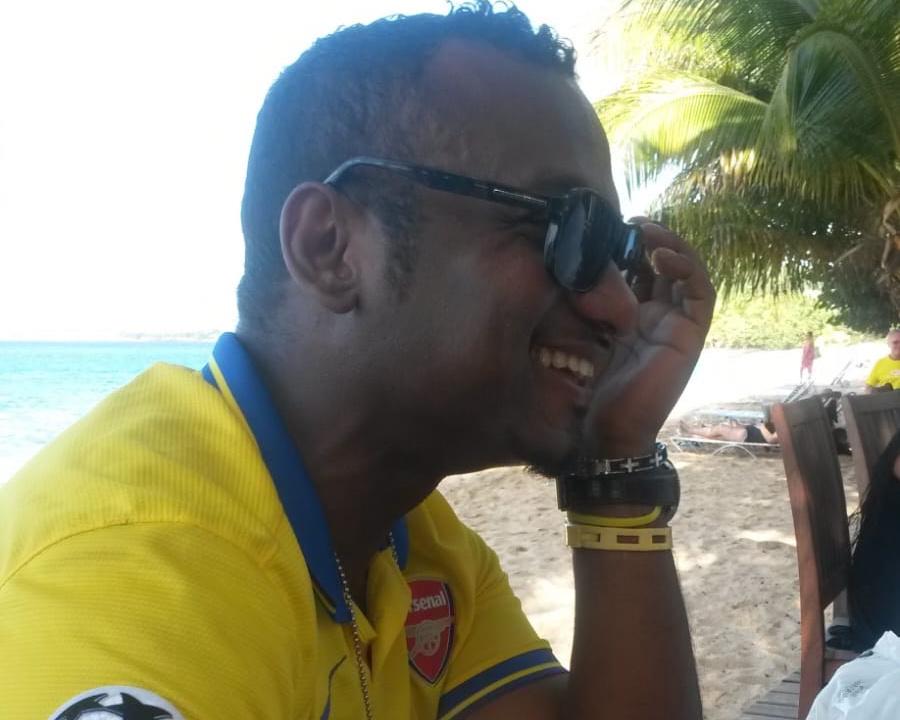
The family of Andrew Frederick, a 47-year-old British national found dead in Grenada, has accused the UK Foreign, Commonwealth and Development Office (FCDO) of institutional failure for withholding support during their fight for justice. Despite an independent pathologist concluding that Frederick’s death was a homicide resulting from torture, the FCDO refused to refer the case to its specialist Murder and Manslaughter Team, instead deferring to the Royal Grenada Police Force’s (RGPF) initial classification of the death as suspicious but not a homicide.
The family, assisted by the Murdered Abroad charity, stated that they were forced to commission their own forensic pathologist and private investigator after becoming concerned about the direction of the local police investigation. A spokesperson for the family said they had launched public appeals for information, noting that the department acted on "pure discretion" without guidance to underpin its position. The family argued that the FCDO chose to prioritise the local police classification over the determination of the only medical professional who examined Andrew.
MP Dr Rupa Huq, the Ealing Central and Acton representative, tabled a question in parliament in April asking on what legal basis the FCDO deferred to a foreign police force’s classification over an officially appointed pathologist and an official death certificate. FCDO undersecretary Hamish Falconer responded that he was aware of the case but admitted there was no "guidance on the specific circumstances" governing such referrals.
The family described the delays and gaps in support as taking an "immeasurable toll," noting they had received no updates from the RGPF since mid-January. In a statement, they said they had been unable to grieve properly for nearly five months, instead spending their time driving a campaign for justice while carrying the weight of the evidence. They characterised the experience as an institutional failure where organisations designed to help families had forced them to fight for basic engagement.
Eve Henderson, co-founder of Murdered Abroad, expressed bafflement at the UK’s reluctance to offer support despite the postmortem and death certificate categorising the case as a homicide. She noted that much of the support is discretionary and not backed by law, meaning it falls down on "we may be able to help." Bernie Kinsella, a retired chief superintendent of police and adviser to the charity, echoed these concerns, highlighting a lack of meaningful progress in support for families since he first worked on an overseas homicide case 25 years ago.
In Grenada, the director of public prosecution, Howard Pinnock, advised the police to refer the matter to a coroner for an inquest. An FCDO spokesperson said the department is supporting the family and is in contact with local authorities, while the Metropolitan police declined to comment on investigations led by other forces.