UK Cabinet Ministers Urge Starmer to Consider Resignation Amid Political Turmoil
Internal pressure mounts on Keir Starmer as his party grapples with dire results, raising questions over the stability of his leadership.
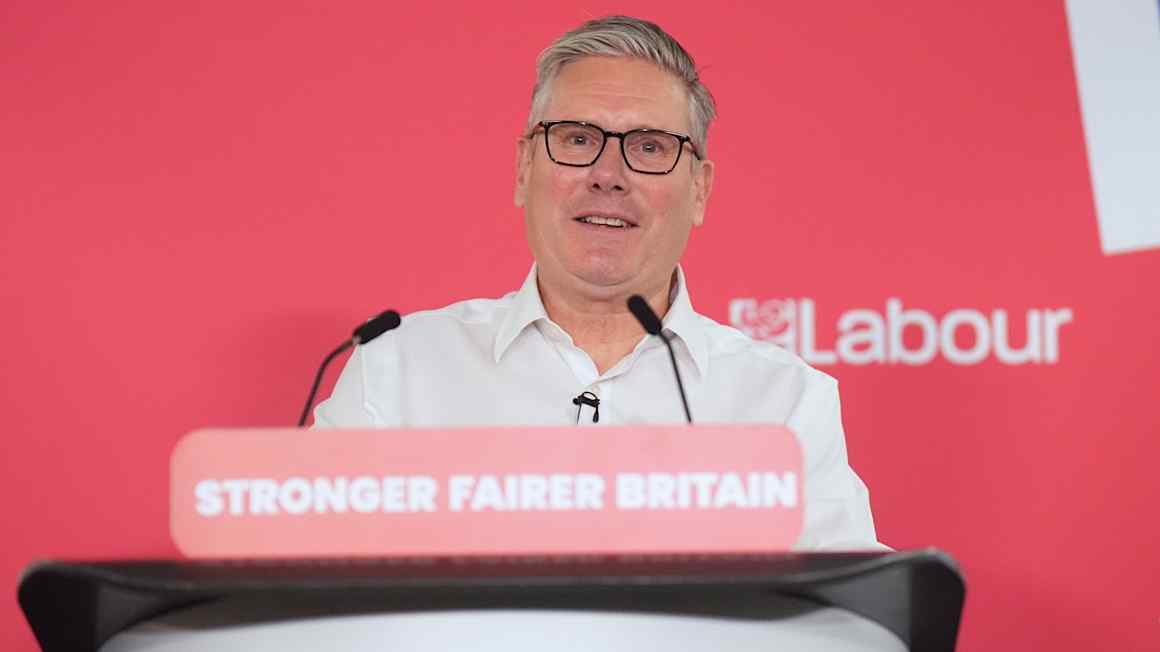
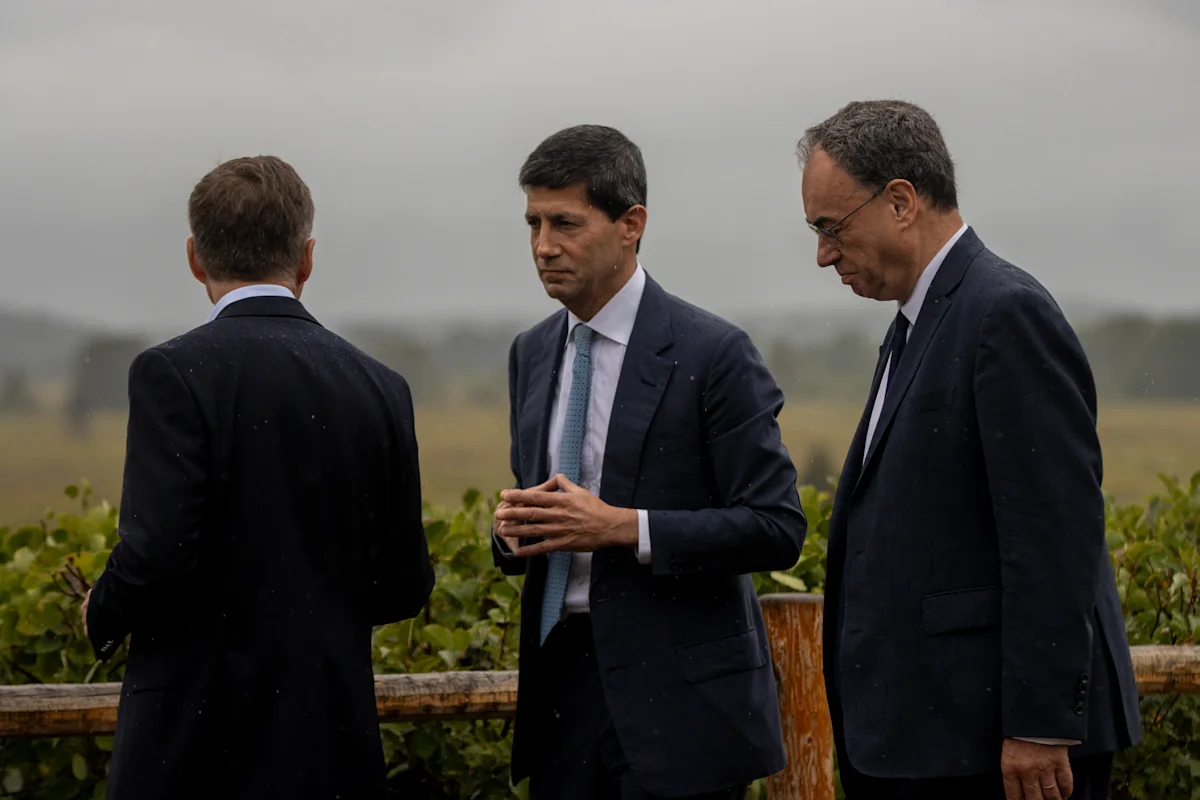
Three unnamed Cabinet ministers have formally called on Prime Minister Keir Starmer to consider his position as leader of the United Kingdom. This intervention comes as the government faces a significant internal crisis following the Labour Party's poor performance in the recent general election.
The pressure on the Prime Minister has intensified dramatically, driven by a petition signed by more than 70 Members of Parliament urging him to quit. While the specific identities of the three senior officials who issued the call remain undisclosed, their action signals a deepening rift within the highest levels of the executive branch.
In the UK parliamentary system, a Prime Minister's continued tenure is contingent upon maintaining the confidence of the House of Commons. The scale of the rebellion, with over 70 MPs involved, represents a substantial challenge to Starmer's authority and suggests that the party leadership views the election outcome as a failure.
The catalyst for this political storm is the dire election results suffered by the Labour Party. Although the exact vote count or margin of defeat has not been specified in available reports, the severity of the loss has prompted a coordinated response from a significant portion of the parliamentary group.
It remains unclear whether the three Cabinet ministers are acting individually or as a coordinated group representing a specific faction within the government. The phrase "consider his position" is diplomatic language that does not necessarily equate to a formal demand for immediate resignation, though the context implies severe pressure.
Sources have not yet confirmed whether Prime Minister Starmer has responded to these calls or if any formal motions of no confidence have been tabled in Parliament. The situation continues to evolve as the political establishment assesses the implications of the recent electoral defeat.