Mark Cuban's Early Retirement Experiment: A Five-Year Interlude Before the Billion-Dollar Comeback
Cuban instructed his broker to invest the windfall as if he were 60, purchased a lifetime airline pass, and discovered that a competitive nature makes early exit difficult.
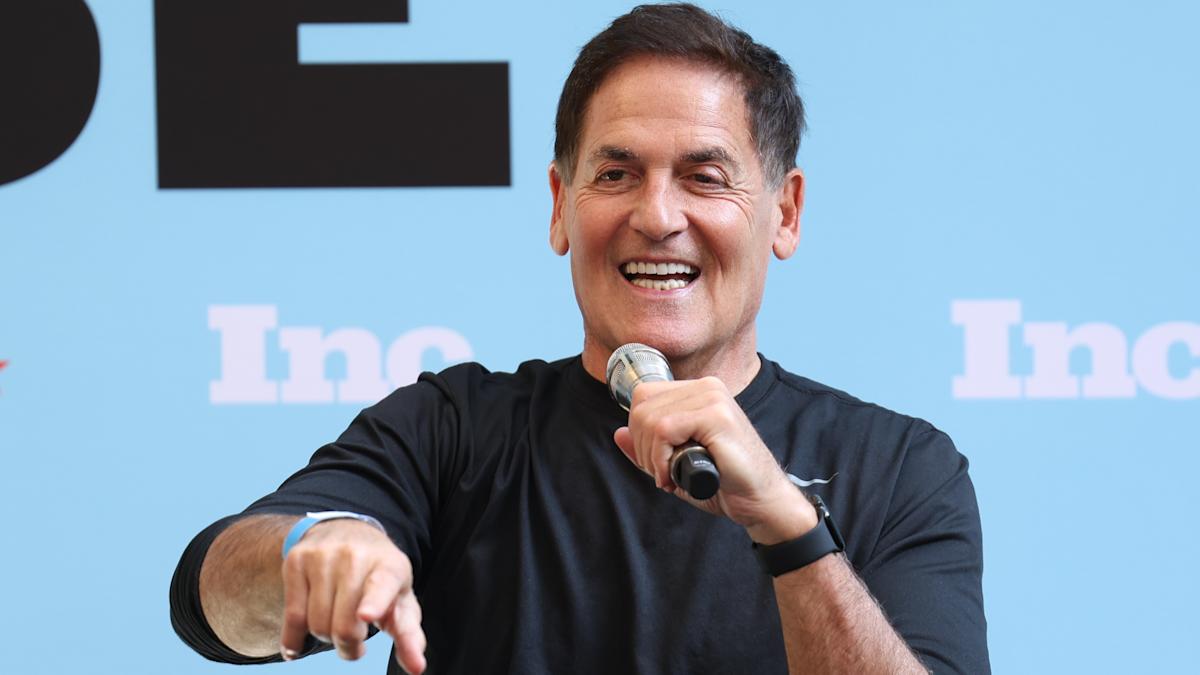
Former Shark Tank star Mark Cuban sold his company, MicroSolutions, in 1988 for $2 million, choosing to retire at the age of 30. This decision was driven by a desire to adopt the principles of the FIRE movement, specifically drawing inspiration from Paul Terhorst's 1988 book, Cashing in on the American Dream: How to Retire at 35. Cuban stated that the core foundation of the book was to save money and live like a student, a mission he set for himself immediately upon securing the sale proceeds.
To ensure the capital lasted for a long duration, Cuban instructed his broker to invest the $2 million as if he were 60 years old. During this period of financial independence, he lived frugally while purchasing a lifetime American Airlines pass, a product that is now discontinued. His goal was to travel to any city and socialise extensively, describing his intent to party like a rockstar and get drunk with as many different people as possible. This lifestyle of travel and socialising defined his five-year stint in early retirement.
However, Cuban eventually found that retiring so young did not suit his competitive nature. After spending five years living off the investment, he returned to the workforce. He subsequently oversaw the audio streaming company Broadcast.com, which Yahoo acquired for $5.7 billion in 1999. This trajectory highlights that while the FIRE philosophy emphasises saving and investing early to achieve financial independence before traditional retirement age, the outcome may not suit everyone's professional or personal disposition.
The story of Cuban's early exit is often cited as a case study for the FIRE philosophy, yet his personal outcome underscores the challenges of maintaining early retirement for those with high drive. While Cuban lived "like a student" in terms of financial discipline, avoiding upgrades to his lifestyle despite having the means, the extensive travel and partying contradicted a traditional interpretation of frugality. The experience serves as a reminder that the decision to retire early is deeply personal and contingent on individual temperament.
Although Cuban has no plans to retire now, stating he will work until he drops, his journey from a 30-year-old entrepreneur to a billionaire media mogul offers a unique perspective on wealth management. The article notes that while modern investors may not have a $2 million windfall, the basic rules of FIRE regarding serious saving and investing early remain relevant. The narrative contextualises Cuban's specific actions within the broader landscape of financial advice, contrasting his historical approach with contemporary tools designed to accelerate retirement goals for those with smaller budgets.