UK and EU agree to scrap Brexit food export red tape from 2027
The Department for Environment, Food and Rural Affairs has published guidance as Biosecurity Minister Helene Hayman outlines the scope of the sanitary and phytosanitary agreement set to take effect mid-2027.
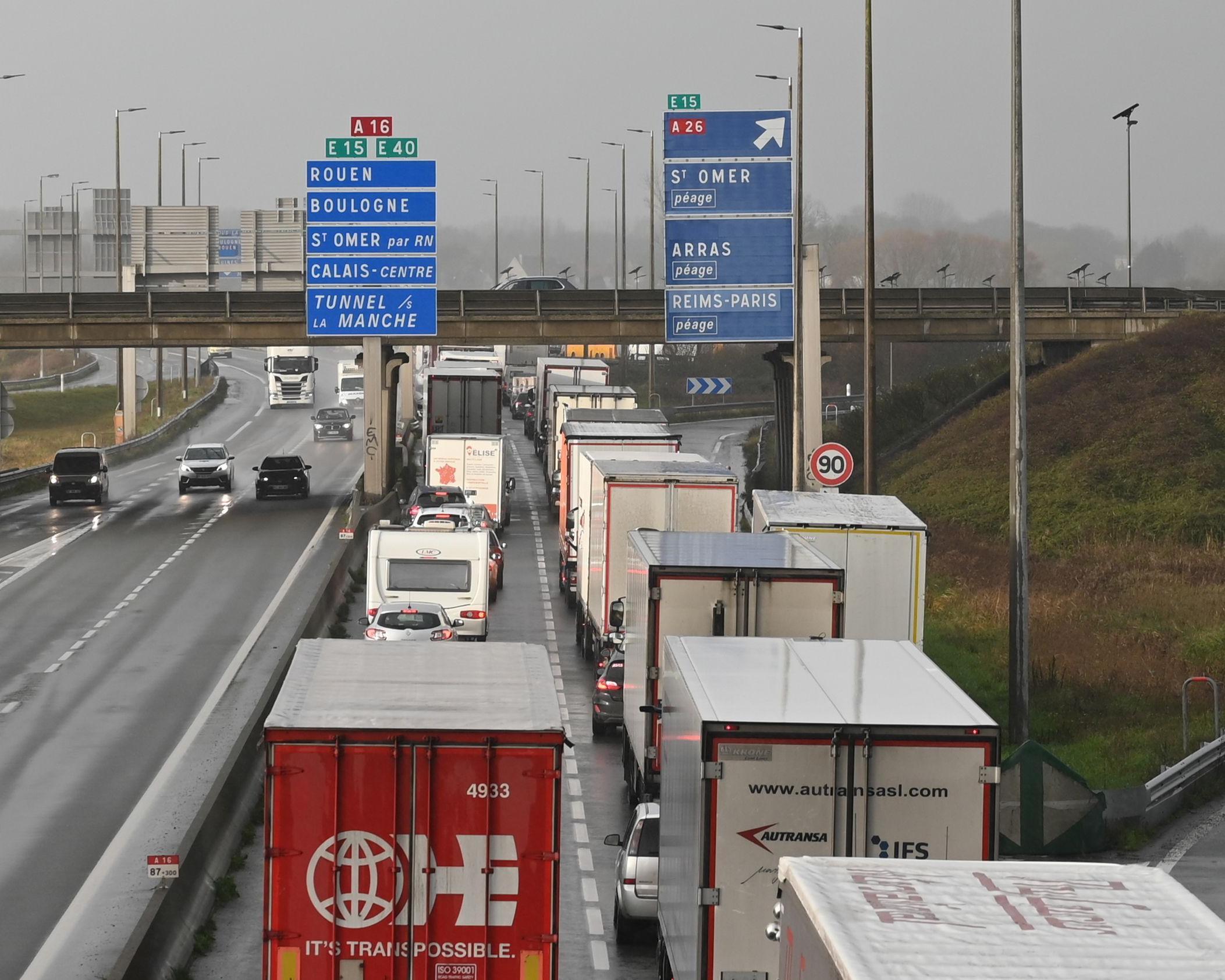
The UK government has announced a new agreement with the European Union to eliminate Brexit-related regulatory barriers on food exports, effective from mid-2027. The deal, which represents the first confirmed outcome of Prime Minister Keir Starmer’s diplomatic reset with Brussels, removes the requirement for veterinary certificates for meat, plants, and wood packaging. It also abolishes health labels for food sold into Northern Ireland.
Biosecurity Minister Helene Hayman stated that the agreement would add up to £5.1bn annually to the UK economy and assist approximately 16,000 companies that had ceased EU exports due to bureaucratic burdens. The changes cover specific rules regarding food additives, colourings, animal breeding certificates, pesticides, vaccination residues, organic products, and farm feeds. The Department for Environment, Food and Rural Affairs has published guidance for producers to prepare for the transition.
Prior to the UK’s departure from the EU in 2020, exporters required only one sheet of paperwork to prove compliance. Post-Brexit requirements increased to 26 sheets for some consignments, with health certificates costing up to £200 per consignment. The Department for Environment, Food and Rural Affairs noted that the new rules aim to end paperwork delays that have hindered exports since 2020, with a target start date set for mid-2027.
Negotiations have been ongoing since late last year and are expected to conclude at the next EU-UK summit scheduled for 13 July. The reset talks had previously faced delays due to disagreements over a youth mobility scheme. The government indicated that the announcement serves to demonstrate early progress in the protracted negotiations, aiming to support British jobs and ease pressure on food prices.
Industry representatives had previously described the post-Brexit border procedures as “paperwork hell”. Toby Ovens, managing director of Broughton Transport Solutions, cited incidents where lorries were detained for up to a month over documentation errors, including an episode where a vet chased a lorry to issue replacement certificates for bovine spongiform encephalopathy clearance. The new agreement seeks to resolve these logistical bottlenecks for the agri-food sector.