UEFA officials face scrutiny over inconsistent penalty application in Champions League semi-final
The 1-1 draw between Arsenal and Atletico Madrid has sparked debate regarding the divergence between Premier League and UEFA interpretations of handball and penalty rules
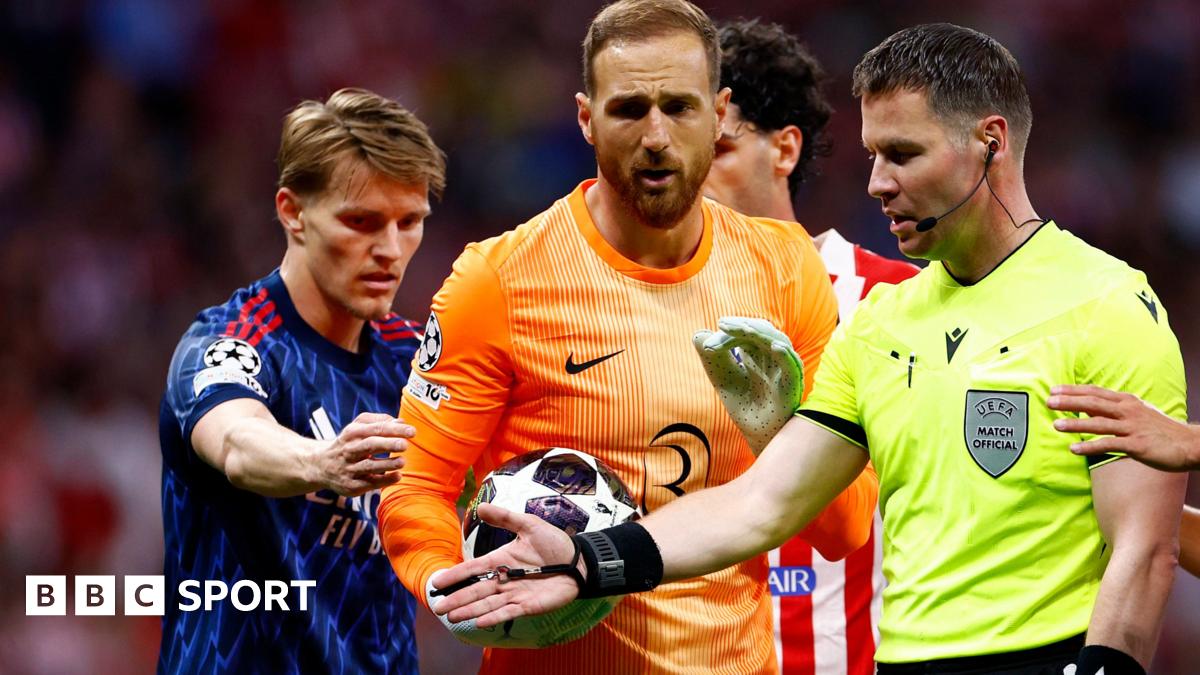
Arsenal manager Mikel Arteta has expressed significant frustration regarding the officiating decisions made during the Champions League semi-final first leg against Atletico Madrid. The match, which concluded in a 1-1 draw at the Metropolitano stadium, was defined as much by its controversial penalty incidents as by the goals scored. While Arsenal took the lead through a penalty converted by Viktor Gyokeres before half-time, Atletico Madrid equalised in the second half via a penalty awarded to Julian Alvarez.
The primary source of contention for the Arsenal manager involved a late penalty appeal for Eberechi Eze. Referee Danny Makkelie initially pointed to the spot after substitute David Hancko appeared to catch the boot of Eze. However, the decision was subsequently overturned following a review by the video assistant referee. Arteta stated that there was no clear and obvious error in the overturning, noting that the reversal changed the course of the game without a clear explanation from the officials. When asked if he had been given an explanation, Arteta remarked that it was impossible to justify the decision after the referee had reviewed the footage multiple times.
This incident highlights a noted divergence in handball interpretation between the Premier League and UEFA. Analysis suggests the Eze incident involved Hancko catching the boot of Eze after the ball had been played, a scenario where Premier League logic would likely have upheld the on-field call. In contrast, UEFA prioritises whether the arm creates a barrier to the ball's natural trajectory, leading to a stricter application in this match compared to domestic English football.
The match also featured a handball decision against Arsenal defender Ben White, which was upheld. Pundits like Stephen Warnock suggest this would not have been awarded in the Premier League, where such deflections are often not penalised. However, the call aligns with UEFA's definition where an extended arm acts as a barrier to the ball. Former Liverpool captain Steven Gerrard suggested that referees may have been influenced by a similar handball decision in the PSG versus Bayern Munich semi-final earlier in the week, where a penalty was awarded despite the arm being closer to the body.
The governance of these decisions has drawn comparisons to a precedent set last month against Bayer Leverkusen, where a penalty was awarded to Arsenal despite slight contact. A senior figure in UEFA's refereeing body explained that while they would prefer no penalty is awarded on the field, the contact left the VAR with nowhere to go. This established a precedent for how UEFA handles such situations compared to domestic English football, where the logic regarding contact on the boot differs significantly.
As Arsenal return to the Emirates Stadium for the second leg, the focus remains on the consistency of officiating standards across European competitions. The incident underscores the ongoing tension between the relaxed approach to deflections seen in the Premier League and the stricter enforcement of rules regarding arm position and trajectory in UEFA competitions.