UEFA and IFAB agree to restrict VAR interventions to 'blatantly incorrect' decisions
European officials and the International Football Association Board have agreed that video assistant referees must only correct clear errors, rejecting the use of VAR to 're-referee' matches.
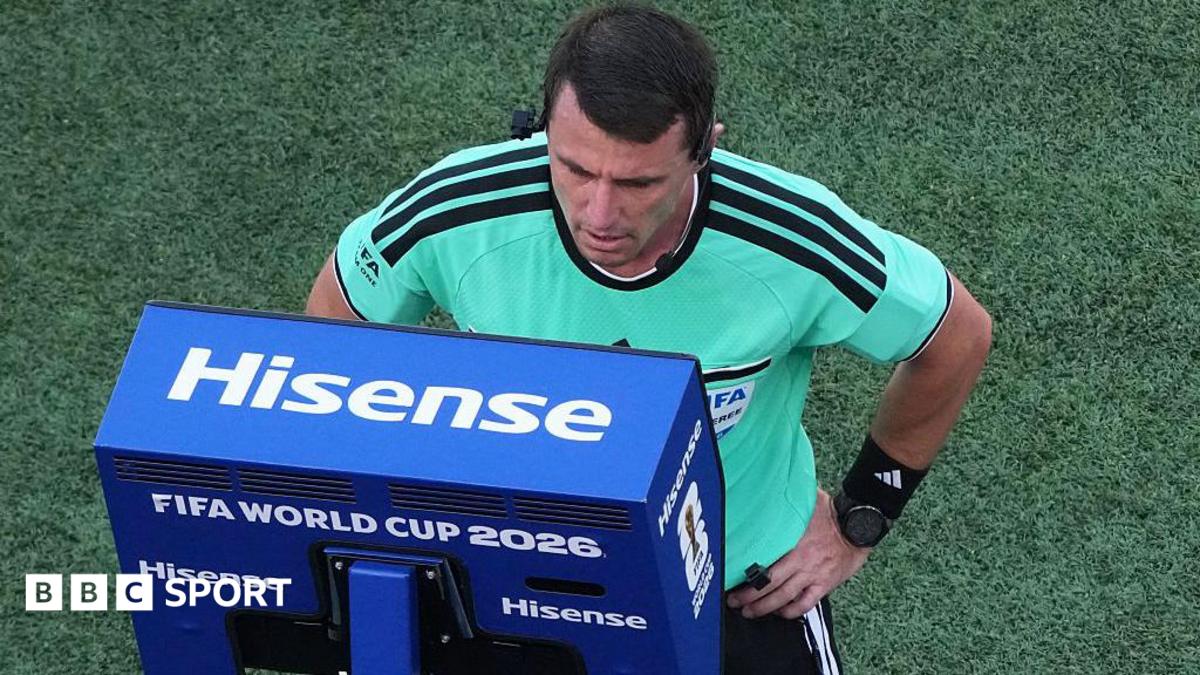
Chief refereeing officers from all 55 European national football associations, alongside UEFA officials and a representative from the International Football Association Board (IFAB), have concluded that video assistant referees must strictly limit their interventions. The group agreed that VAR should only be deployed to correct decisions that are "blatantly incorrect" or to address clear missed incidents, marking a decisive shift away from the detailed scrutiny that has characterised recent tournaments.
The consensus emerged following a meeting last week, where attendees noted that "lengthy, microscoping reviews" have caused VAR to exceed its original mandate. When the technology was added to the laws of the game in 2018, IFAB defined its philosophy as "minimum interference - maximum benefit," aimed at reducing unfairness caused by obvious errors in goals, penalties, and red card situations. UEFA stated that the current trend of exhaustive analysis indicates the system has drifted from these core aims.
In a statement released after the meeting, UEFA reiterated that VAR is an essential support tool rather than a mechanism to "re-referee" the game. Officials emphasised that referees must remain at the centre of all decision-making. The body concluded that when reviews become excessively long, it is often a symptom that the on-field decision was not clearly and obviously incorrect, and therefore should not be overturned.
The meeting also addressed the interpretation of the "mistaken identity" rule, which was introduced prior to the summer World Cup to allow decisions to be changed if the wrong player is booked or sent off. Switzerland’s Breel Embolo became the first player sent off under this law during a quarter-final against Argentina, after Leandro Parades had originally received a yellow card. IFAB clarified that VAR can only review cautions to identify the offender, not to review or alter the nature of the offence itself.
There was unanimous support for new regulations designed to reduce unnecessary delays and streamline play. These measures include strict time limits for goal-kicks, throw-ins, and substitutions. Additionally, new rules regarding on-field injuries and goalkeeper tactical timeouts were endorsed to ensure the game flows more efficiently, reinforcing the commitment to minimising interruptions while maintaining the integrity of officiating.