Uber pivots to an "everything app" strategy while betting billions on autonomous vehicles
The ride-hailing giant is integrating hotel bookings via Expedia, launching in-car refreshment services, and creating an AI clone of its chief executive to streamline internal operations.
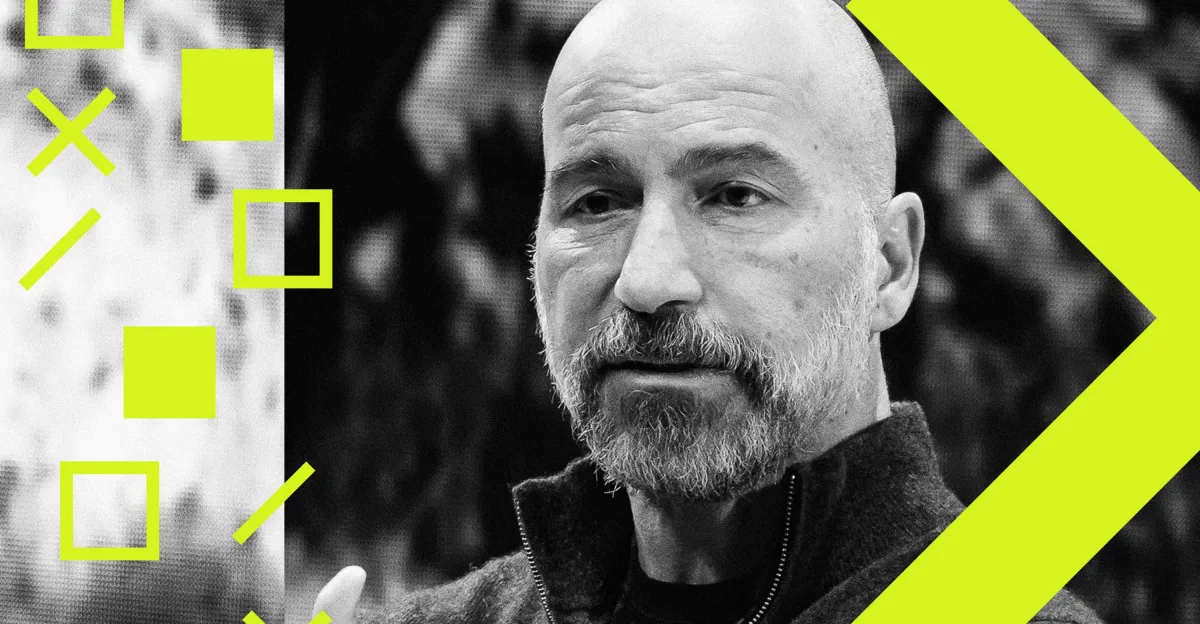
Uber is executing a significant strategic transformation, positioning itself as an "everything app" that extends far beyond transportation. In a recent discussion, CEO Dara Khosrowshahi outlined plans to integrate hotel bookings directly into the Uber app through a partnership with Expedia. This expansion leverages the company's existing travel mode and its volume of over 100 million annual airport trips to create a seamless travel experience for users.
Alongside travel, the company is introducing new services designed to enhance the user journey within the vehicle. These initiatives include personal shopping capabilities facilitated by a "Courier" service and the delivery of coffee and snacks directly to passengers upon arrival. Khosrowshahi described these moves as part of a broader effort to own more of the user experience, moving from simple on-demand logistics to a comprehensive service platform.
Simultaneously, Uber is committing substantial capital to the development of autonomous vehicle technology. The company has confirmed a $1.25 billion investment in Rivian, contingent on the achievement of specific autonomous milestones, and has pledged to purchase 35,000 Lucid vehicles for use as robotaxis. This financial commitment is part of a larger strategy involving partnerships with multiple autonomy providers, including Nuro, WeRide, and Pony.ai, with total investments in autonomous efforts reaching over $10 billion.
Despite these heavy investments in robotaxis, Khosrowshahi offered a measured perspective on the future of human drivers. He stated that he is 90% certain that more human drivers will remain on the platform in a decade. The CEO noted that while automation is advancing, the company is actively looking to build more complex use cases for human couriers, such as the new personal shopping service, to complement automated fleets.
Internally, Uber is adapting its software development structure to the rapid rise of agentic AI coding tools. The company reported that its annual budget for AI tokens was exhausted by April, forcing a trade-off between infrastructure spending and headcount hiring. To manage this shift, Uber plans to hire more engineers to oversee the increased costs associated with AI usage while exploring how product teams can directly interact with code bases using these new tools.
In a notable display of internal AI adoption, Khosrowshahi revealed that Uber employees have created an AI version of himself to assist with practice presentations and pitches. He also confirmed that the company is replacing rigid, policy-based human customer service agents with AI agents guided by high-level outcome goals rather than specific rules, acknowledging that existing documentation was often insufficient for machine interpretation.
To support these platform-wide initiatives, Uber appointed Andrew Macdonald as President and COO. Macdonald, who previously ran the global mobility business, now oversees the trade-offs between the company's various sectors, freeing Khosrowshahi to focus more directly on product and technology teams. This structural change aims to better manage the complexities of a multi-platform consumer base that spends significantly more than single-line users.