Uber expands lost and found data to include autonomous vehicle fleet
The ride-hailing giant reports unusual items left behind in driverless cars, citing sufficient fleet size for statistical relevance, while standardising return protocols through its Autonomous Solutions program.
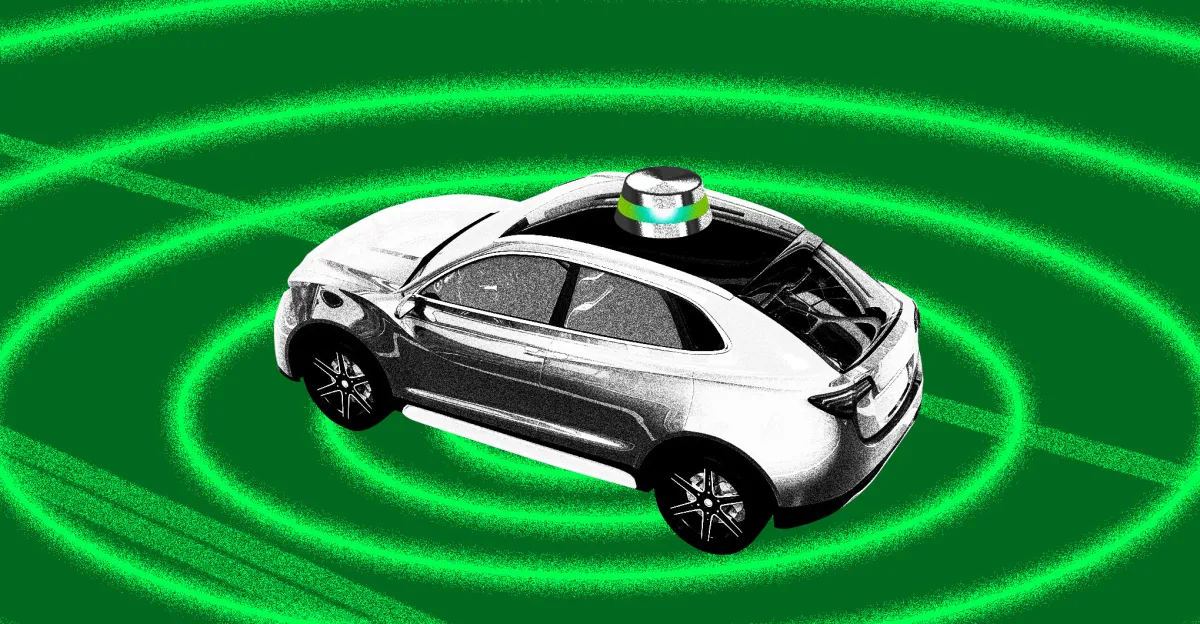
Uber has incorporated data regarding items left behind in autonomous vehicles into its annual Lost and Found Index for the first time, a move attributed to achieving a sufficient fleet size on its platform to generate statistically significant data. The inclusion covers self-driving cars operated by partners including Waymo, Motional, and Avride within the United States, rather than a proprietary Uber fleet.
The report details a wide array of forgotten belongings, ranging from standard electronics to peculiar objects. Among the unusual items reported are a 15-pound green bowling ball, a unicorn Beanie Baby, a jumbo yo-yo, a large black marble duck, and a pair of dentures, which were successfully returned to their owner. Luxury goods also feature prominently, with wallets and purses from brands such as Yves Saint Laurent, Chanel, Louis Vuitton, and Hermès listed, alongside a white Gucci blanket.
Despite the novelty of the vehicles, the most commonly left-behind items remain predictable. Phones, including iPhones, Androids, and flip phones, top the list, followed by wallets, keys, headphones, glasses, driver’s licenses, and passports. Clothing items reported include cowboy hats, red Sonic the Hedgehog Crocs, a Terry Black’s trucker hat, a Harley-Davidson sweater, and a blue cap reading “Emotional Support Human.”
To manage these operations, Uber has established an Autonomous Solutions program to standardise return procedures. The process involves customers flagging items in the app and contacting US-based support agents. If an item is located, Uber dispatches a courier for a flat $15 fee, or customers may arrange pickup from the vehicle depot. Amy Satrom, global head of autonomous support at Uber, noted that the company has spent a decade building systems to help riders reunite with their belongings.
The scope of these operations is set to expand as more robotaxis appear on the platform. Uber aims to facilitate autonomous vehicle trips in 15 cities globally by the end of 2026, with an even split between US and international markets. The company’s longer-term objective is to become the largest robotaxi broker in the world by 2029, although incidents such as a recent case in San Jose highlight ongoing logistical challenges in the sector.
