Uber expands into travel and financial services while refining autonomous vehicle strategy
Uber’s new travel features, financial products, and AV Labs data operation signal a broader ecosystem play as the company scales Waymo partnerships and integrates AI assistants.
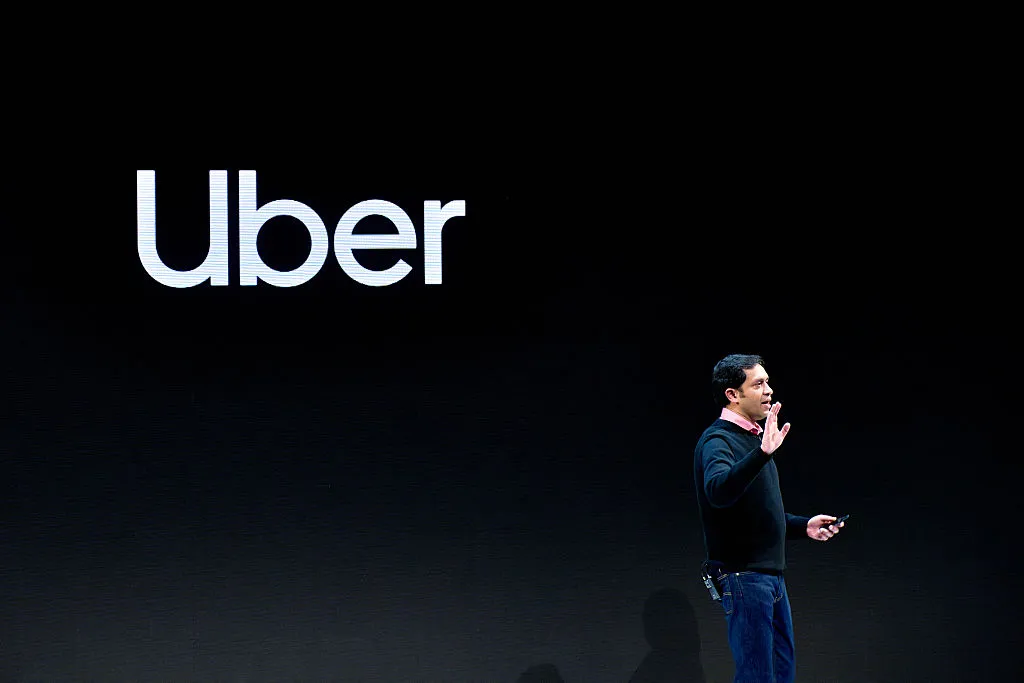
Uber is executing a strategic pivot to diversify its revenue streams beyond its core ride-hailing and food delivery operations. Chief Product Officer Sachin Kansal has positioned travel services as the "third leg of the stool," leveraging the company’s existing user base to capture the 1.5 billion annual trips that occur outside a user’s home city. This expansion includes hotel bookings via Expedia and boat rentals in Europe, alongside "shop for me" concierge features.
Simultaneously, Uber is enhancing its financial ecosystem through the Uber Pro debit card for drivers and merchants, as well as buy-now-pay-later (BNPL) partnerships with external providers. The company is also experimenting with financial products for merchants in certain regions, while maintaining profitability in its Uber Eats division, which has reported independent profitability over the last several quarters.
In the autonomous vehicle (AV) sector, Uber is adopting a hybrid infrastructure strategy rather than developing Level 4 autonomy in-house. This involves scaling partnerships with Waymo in Austin and Atlanta, winding down a Phoenix pilot, and utilising AV Labs to collect driving data. The unit is equipping hundreds of cars with sensors through fleet partners to gather millions of miles of driving data, focusing on "edge cases" rather than just standard driving scenarios.
Uber is also monetising its data assets by selling data-labeling services to generative AI companies. Using its earner base, the company pays workers for transcribing audio when not on a trip, a service distinct from the real-time data collection efforts of AV Labs. This move provides Uber with leverage and optionality in its relationships with autonomous vehicle partners, several of which it also holds equity in.
AI assistants are being integrated for riders and drivers, including an earner assistant for earnings optimisation and a grocery cart assistant for Uber Eats. The company’s Uber One membership now has 51 million members, accounting for roughly half of bookings, with data showing cross-sell benefits between mobility and delivery services.
