Uber CTO outlines strategy to convert global driver network into autonomous vehicle sensor grid
Praveen Neppalli Naga describes the plan as a natural extension of AV Labs, positioning Uber as a critical data layer for the autonomous vehicle sector
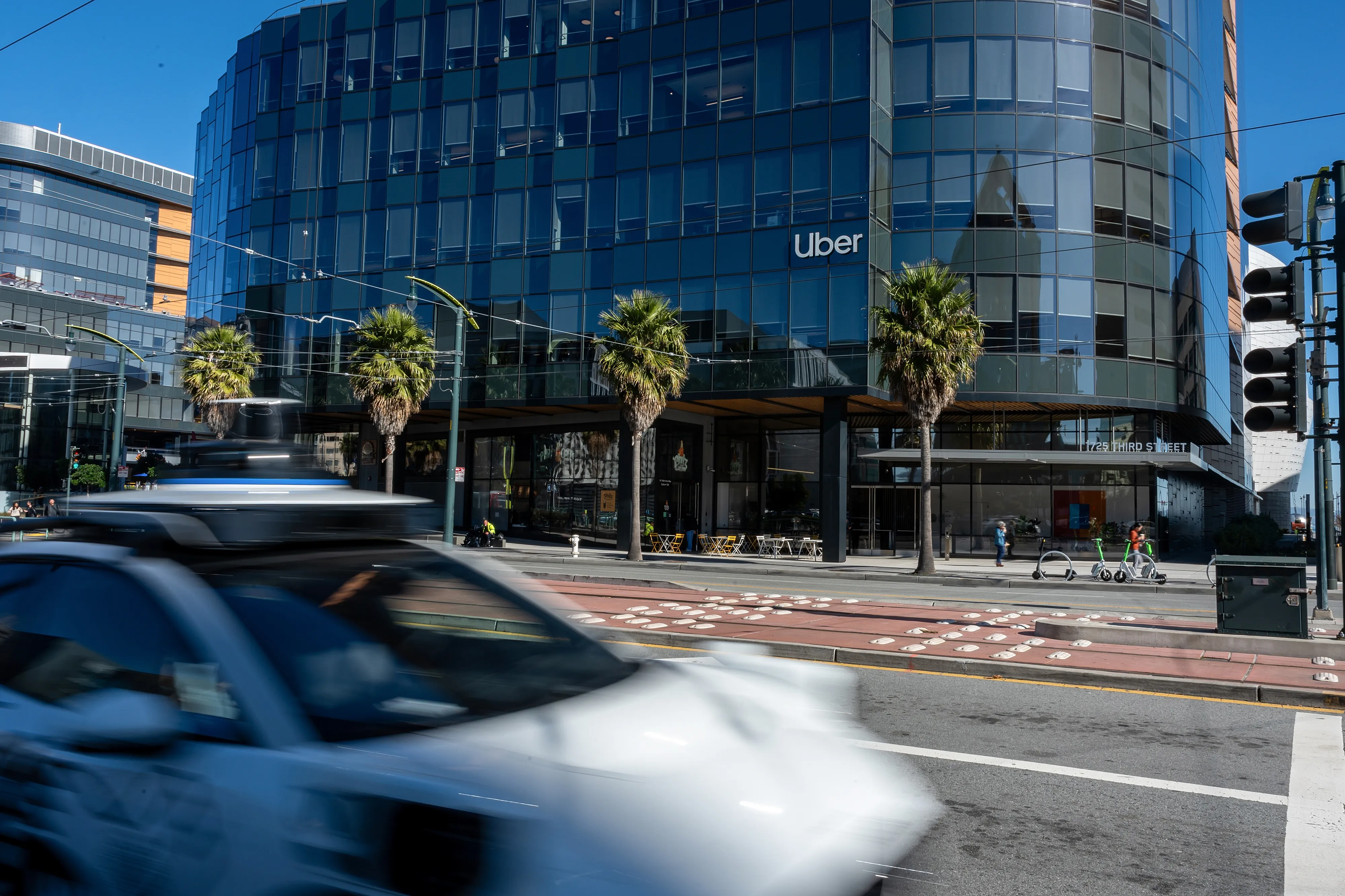
Uber's Chief Technology Officer, Praveen Neppalli Naga, has revealed plans to transform the company's millions of human drivers into a massive sensor grid for autonomous vehicle development. The announcement was made during an interview at TechCrunch's StrictlyVC event in San Francisco, where Naga described the initiative as a natural extension of the company's existing AV Labs program. While the current iteration of the program operates through a small, dedicated internal fleet, the long-term ambition is to equip vehicles driven by Uber's global workforce with sensors to collect real-world data.
The strategic pivot addresses a critical bottleneck facing the autonomous vehicle industry: access to diverse training data. Naga noted that the limiting factor for development is no longer underlying technology but rather the ability to gather specific scenario data, such as capturing footage at school intersections during peak times. He pointed out that major competitors like Waymo often lack the capital to deploy sufficient vehicles to collect this granular information across various locations and times of day.
To solve this, Uber intends to leverage its vast driver base as rolling data-collection platforms. The company plans to offer this data to partner firms to democratise access rather than monetise it directly. Currently, Uber maintains partnerships with 25 autonomous vehicle companies, including Wayve which operates in London, and is building an AV cloud that allows partners to query labeled sensor data. This infrastructure enables companies to run their trained models in shadow mode against real Uber trips to simulate performance without deploying physical vehicles.
Naga emphasised that regulatory clarity remains a prerequisite for the full rollout of sensor kits on human-driven vehicles. He stated that the company must ensure every state has clarity on what sensors mean and the implications of sharing that data. Until those regulatory frameworks are established, the initiative will rely on the existing dedicated fleet while working towards the broader goal of integrating the wider driver network.
This strategy marks a significant shift in Uber's role within the autonomous vehicle ecosystem. Although the company abandoned its own ambitions to build self-driving cars years ago—a move co-founder Travis Kalanick has since referred to as a big mistake—Uber is now positioning itself as the essential data layer for the entire industry. By controlling the proprietary training data at scale, Uber aims to secure significant leverage over a sector that currently depends heavily on its ride marketplace to reach customers.
