Uber-backed Nuro secures California DMV approval for fully autonomous robotaxi trials
The updated permit removes the requirement for human safety drivers, marking a significant milestone in Uber's strategy to deploy tens of thousands of autonomous vehicles across the US.
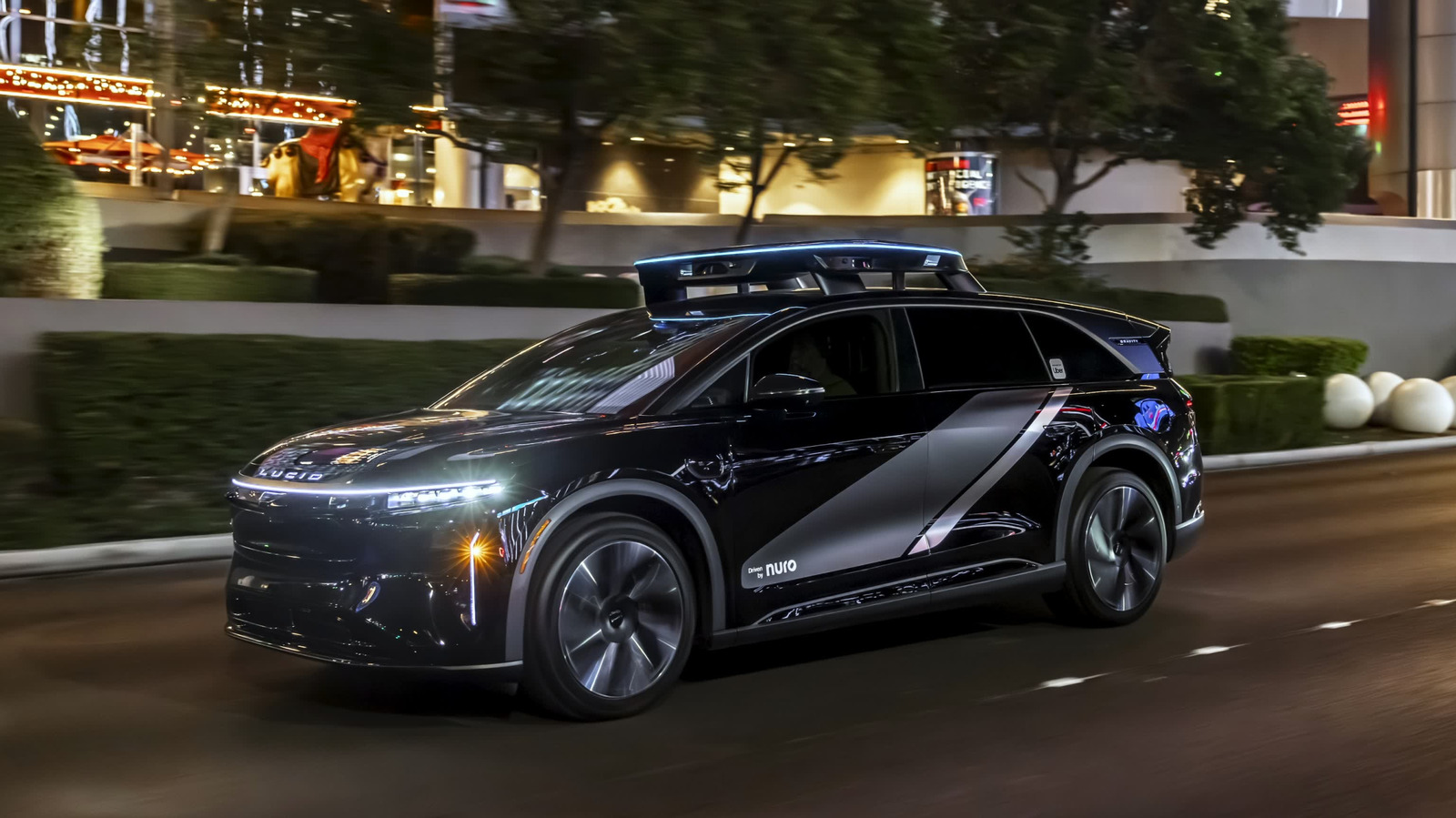
Uber-backed Nuro has obtained an updated permit from the California Department of Motor Vehicles (DMV) to conduct fully autonomous testing of its Lucid Gravity robotaxis without human operators. This regulatory approval represents a pivotal moment for the partnership, allowing the companies to proceed with trials that were previously restricted to operations involving a human safety driver.
The testing phase is scheduled to commence later this year within Santa Clara and San Mateo counties. Under the new terms, the vehicles are authorised to travel at speeds of up to 45 mph during both day and night operations. This expansion of permissions follows a period where the Lucid Gravity EVs were only operated in autonomous mode with a human backup, limited specifically to Uber employees.
This development aligns with Uber's broader strategic objective to deploy 100,000 driverless vehicles across the United States. The company has indicated that up to 35,000 of these units will be powered by Nuro's self-driving technology. The Lucid Gravity, a three-row electric crossover unveiled at CES 2026 in January, features a robust multi-pronged sensor system comprising high-resolution cameras, lidar, and radar, alongside a roof-mounted LED display.
Lucid Motors has confirmed plans to launch the robotaxi service later this year, coinciding with the commencement of the new testing phase. In a recent earnings release, the EV maker revealed that Uber had increased its funding commitment to $500 million and raised its vehicle order from 20,000 to 35,000 units. The vehicle design also includes interior amenities such as rider-controlled heated seats to enhance the passenger experience.
Nuro, which is backed by investors including NVIDIA and Toyota, has previously secured a California DMV permit for driverless deliveries using its R3 Nuro Robot vehicle. While the current approval focuses on ride-hailing trials, the companies note that additional permits for commercial ride-hailing operations must still be secured before full-scale commercial services can commence.
Despite the progress, specific details regarding the duration and scope of the initial testing phase prior to full commercial rollout remain undetailed. The companies intend to begin these fully-autonomous trials later this year, continuing their work to integrate the technology into the public transport landscape.
