Uber and Waymo clash over D.C. robotaxi rules as Uber expands global footprint
Uber opposes a proposed D.C. bill it claims creates a Waymo monopoly, while the Alphabet unit supports the measure. Meanwhile, Uber finalises a $14.8 billion acquisition of Delivery Hero, and Lucid Motors denies bankruptcy rumours.
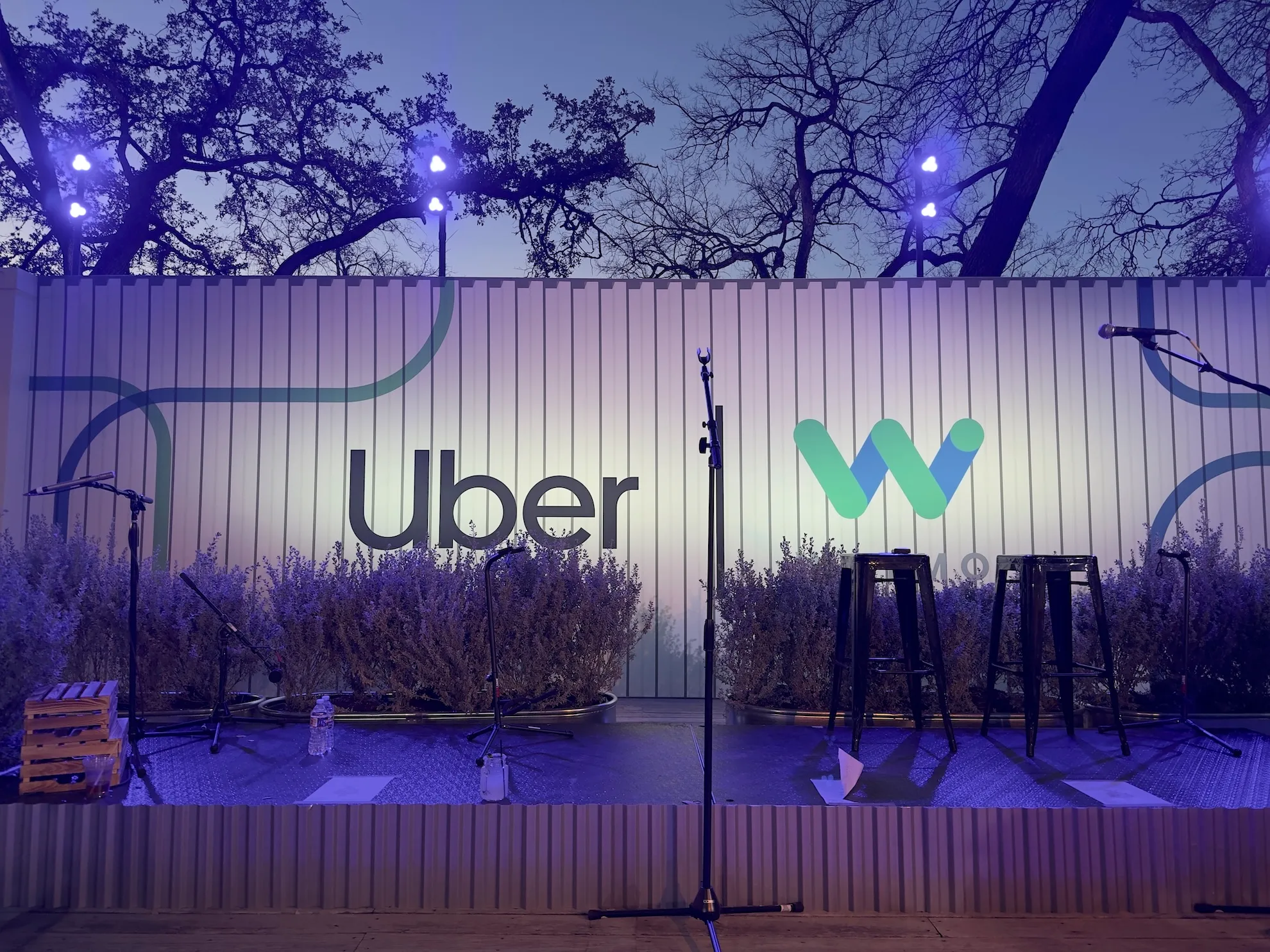
The regulatory landscape for autonomous vehicles in Washington, D.C., has become a flashpoint for competition between Uber and Waymo, with both companies taking diametrically opposed positions on a proposed bill. According to reporting by TechCrunch Mobility, Uber has formally opposed the legislation, arguing that it would effectively displace human for-hire drivers and grant Waymo a de facto monopoly in the district. In contrast, Waymo supports the bill, noting that it aligns with the company’s compliance with local testing requirements.
The proposed legislation includes stringent entry barriers, such as an 180-day, 250,000-mile mandatory testing period, a $1 million application fee, a $5 million permit fee, and a $0.15-per-mile tax. Tesla’s senior policy adviser, India Herdman, echoed concerns from several autonomous vehicle developers regarding these costs and the requirement for testing miles to be accumulated within D.C. However, Waymo, which has been testing its vehicles with human safety operators in the district, has already surpassed the mileage and time thresholds. This compliance gives Waymo a potential six-month head start if the bill passes in its current form.
Uber has lobbied for a “hybrid” model that would require robotaxis to operate on ride-hailing networks alongside human drivers. Industry insiders suggest this approach has little chance of becoming law. If enacted, it would force autonomous vehicle developers like Waymo into suboptimal operational choices, such as integrating their fleets into third-party apps or employing human drivers alongside the automated systems they have spent hundreds of millions developing.
Beyond the regulatory dispute, Uber is cementing its status as a global logistics giant through a $14.8 billion deal to acquire Germany’s Delivery Hero. The acquisition, which faces regulatory hurdles, would grant Uber access to nearly 100 markets across Europe, the Middle East, Latin America, and Asia, effectively doubling its delivery footprint. As part of the arrangement, Delivery Hero will sell its business in 14 markets where Uber Eats already operates to New York-based investment firm SSW Partners for $1.6 billion.
In other industry developments, Lucid Motors has firmly denied reports that it was considering filing for Chapter 11 bankruptcy, a claim that initially caused its stock to plummet more than 50% before recovering. Meanwhile, startups Self Inspection and Senra secured $10 million and $65 million in funding rounds respectively, and Indian fast-delivery company Zepto is planning an initial public offering at a valuation below its previous peak.
