UAE ends six decades of OPEC membership as global energy markets shift
The United Arab Emirates has officially announced its departure from the Organisation of the Petroleum Exporting Countries and OPEC+ alliances, prompting speculation on which nations might follow suit.
The United Arab Emirates has formally announced its departure from the Organisation of the Petroleum Exporting Countries, concluding six decades of membership. This decision marks a definitive break from the institutional frameworks that have long governed international oil supply dynamics, as the nation now pursues an independent approach to energy policy.
The announcement comes at a time of heightened volatility in global energy markets, with prices already rising against the backdrop of ongoing conflict in the Middle East. As one of the world's top oil producers, the UAE's exit from the cartel is causing significant ripples across the sector and prompting questions about the immediate impact on global supply.
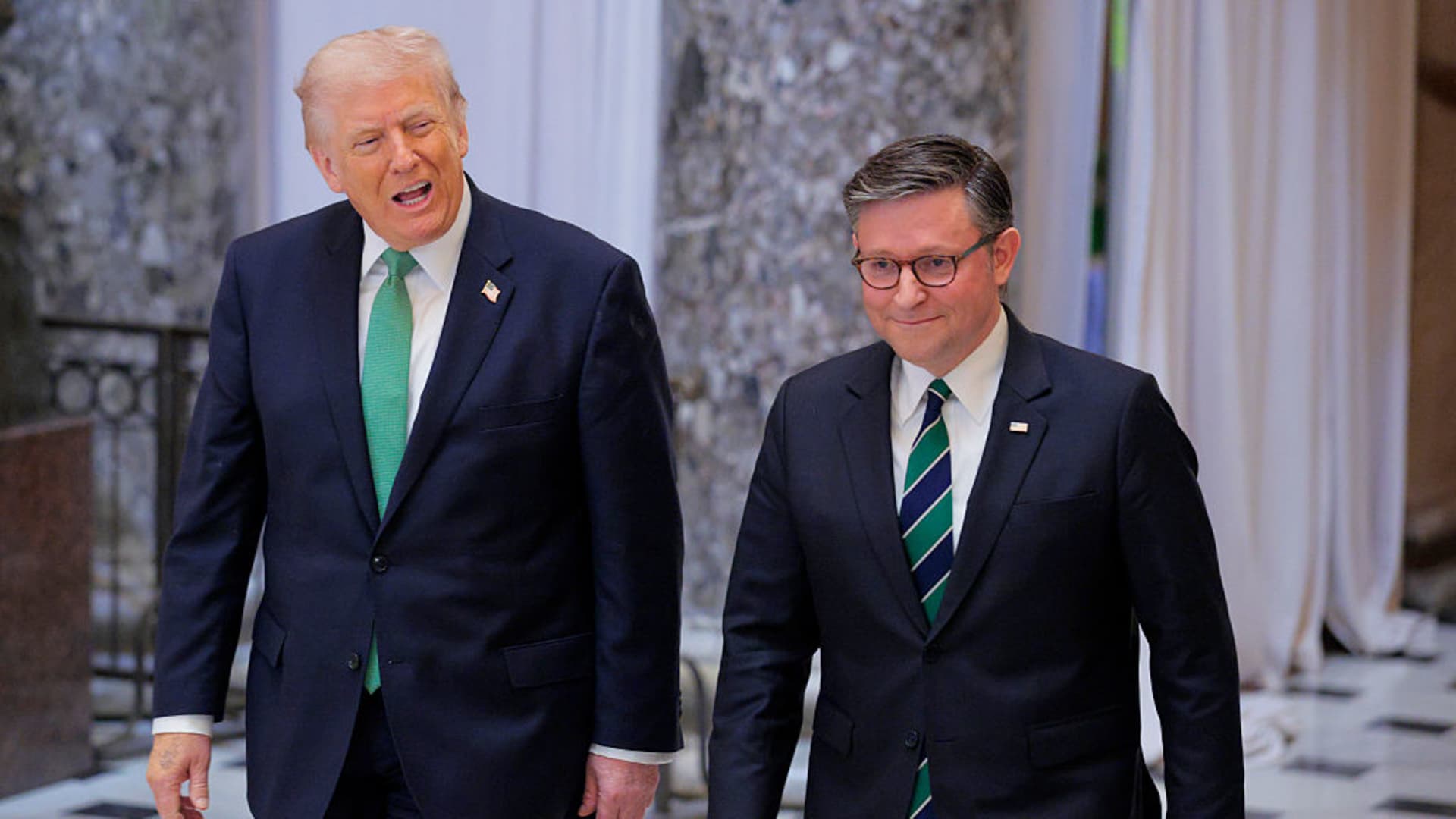
In Washington, the move is widely viewed as a strategic victory for President Trump, who has long criticised the organisation for driving up global oil costs. The timing of the departure coincides with broader shifts in global energy geopolitics, occurring alongside reports of a state visit where US-UK ties were reaffirmed despite security disruptions.
Speculation is emerging regarding which other nations might follow the UAE's lead in leaving the cartel. While historical precedents exist for members exiting the group, specific candidates remain unknown as the transition begins. Analysts note that the full extent of the impact on global oil supply dynamics remains unclear at this early stage.
Concurrently, geopolitical tensions remain high with German Chancellor Merz recently rebuking the US President over the stance on the Iran war. Merz highlighted the difficulties of exiting such conflicts, citing lessons from Afghanistan and Iraq, drawing parallels to the current instability affecting energy markets.
The UAE's decision to leave OPEC and OPEC+ alliances signals a new era in regional energy strategy. As the nation moves forward independently, the financial community watches closely to see how this shift alters the landscape for investors and institutions navigating the complex interplay of policy and market forces.