UAE accelerates second West-East oil pipeline to bypass Strait of Hormuz
The United Arab Emirates is fast-tracking construction of a second West-East pipeline, a strategic move to circumvent the Strait of Hormuz as global energy flows face significant constraints.
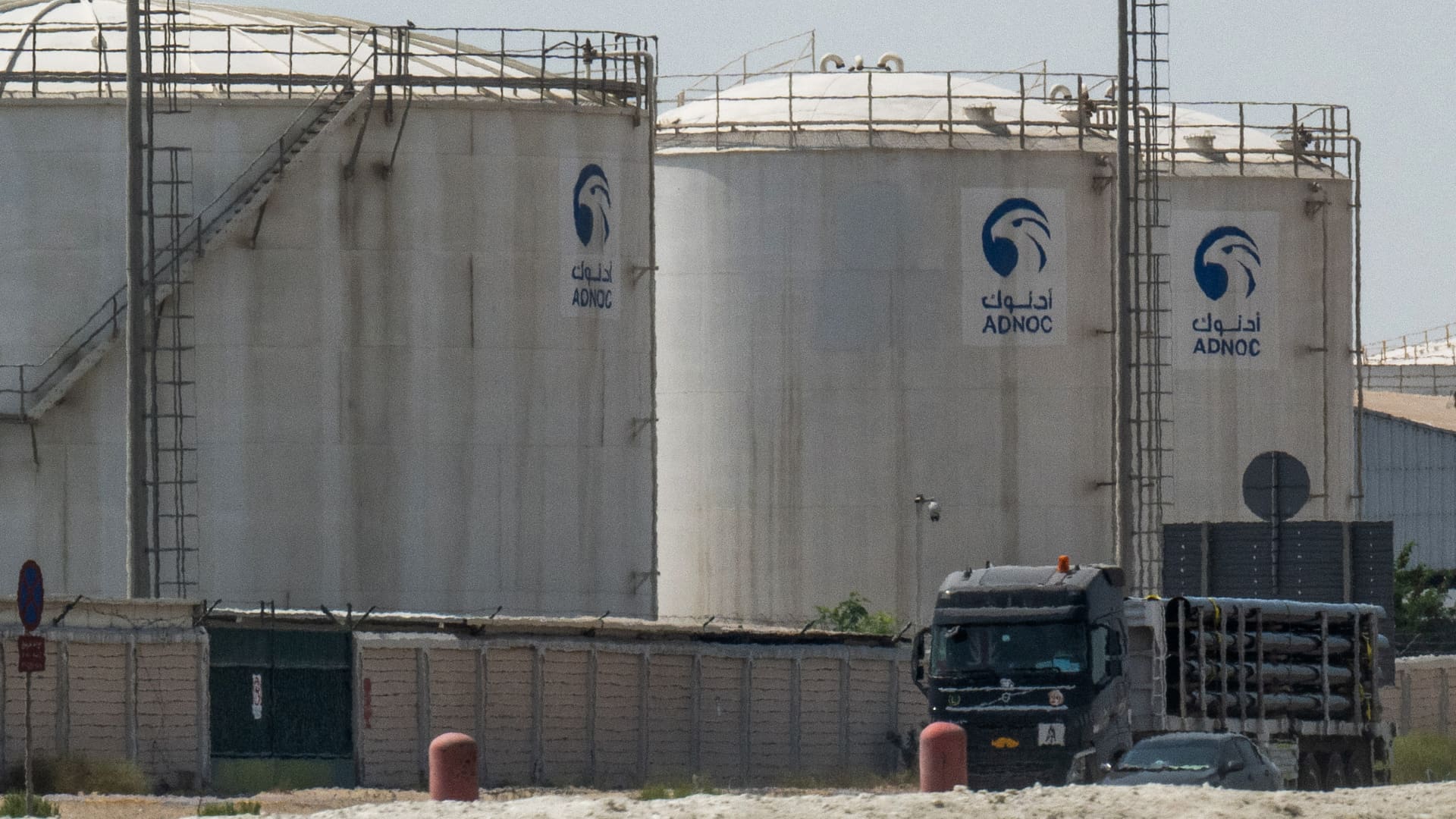
The United Arab Emirates is accelerating the construction of a second West-East oil pipeline, a project designed to bypass the Strait of Hormuz. This infrastructure development comes as global energy supplies face mounting pressure and transit flows through the critical waterway remain severely limited.
The initiative follows the precedent set by the first West-East pipeline, establishing a continued reliance on land-based routes to mitigate risks associated with maritime chokepoints. By fast-tracking this specific project, the UAE aims to secure alternative export channels amidst a volatile geopolitical landscape.
The timing of the acceleration aligns with broader discussions on energy security. Recent diplomatic engagements, including a summit in Beijing between US and Chinese leaders, have placed the Strait of Hormuz on the agenda alongside trade and artificial intelligence topics. The presence of major US technology executives at these talks underscores the interconnected nature of global markets and energy stability.
While the first West-East pipeline previously existed, the push for a second line suggests an escalation in risk management strategies. The current environment, characterized by tensions involving Iran and ongoing trade discussions, has heightened concerns about the reliability of traditional sea lanes for oil transport.
The move reflects a pragmatic response to immediate supply chain disruptions. With flows through the Strait of Hormuz described as severely limited, the UAE is prioritizing the completion of overland infrastructure to ensure consistent export capabilities. This development highlights the shifting dynamics in global energy logistics as nations seek to diversify transit routes away from vulnerable maritime corridors.