Tuchel’s England adopts system-first tactics, marking sharp break from Southgate era
Thomas Tuchel prioritises tactical cohesion over individual star power, omitting high-profile players to enforce a rapid, high-risk progression model through the middle third of the pitch.
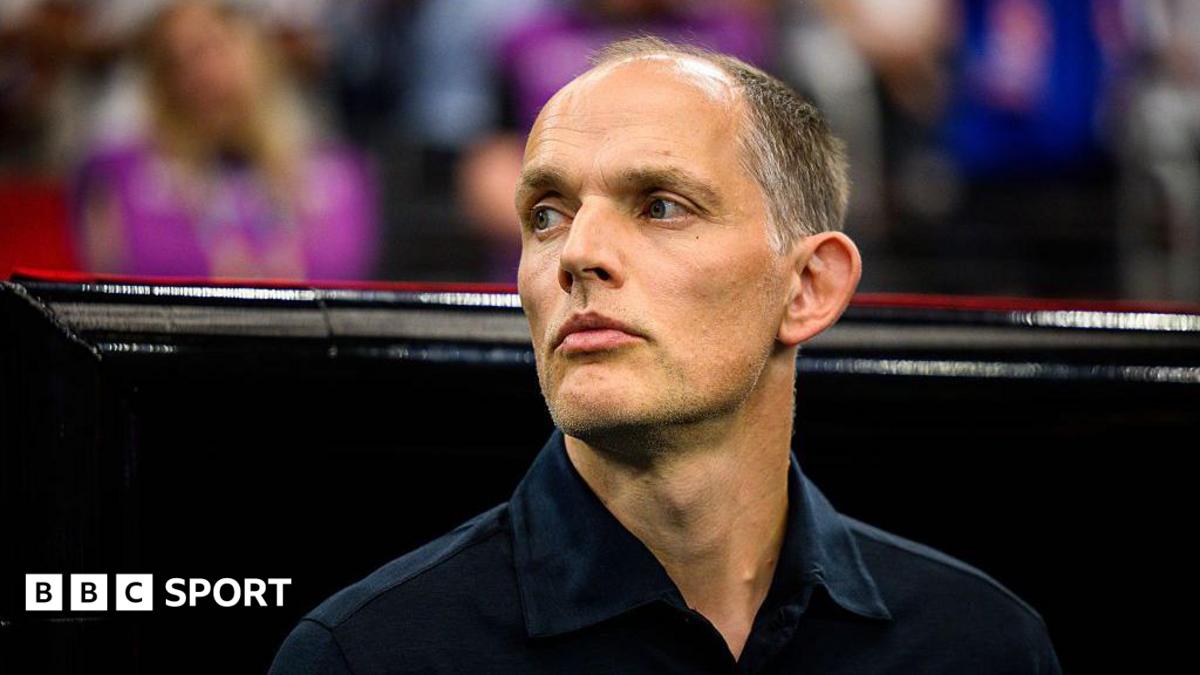
Thomas Tuchel’s England side has implemented a distinct system-first tactical framework for the World Cup, diverging significantly from the player-first philosophy established by his predecessor, Gareth Southgate. According to analysis by BBC Sport, the new approach prioritises specific tactical roles and predefined solutions to defensive blocks over individual star power, a strategy that resulted in the omission of Phil Foden, Cole Palmer, and Trent Alexander-Arnold from the World Cup squad.
Tuchel, who was appointed England manager in October 2024 and took charge in January 2025, has structured the team around a clear system designed to accelerate play across the central 24 metres of the pitch. Assistant coach Anthony Barry has emphasised that modern football often becomes stagnant in this middle third due to sophisticated defensive setups, necessitating a new approach to bypass mid-blocks and deep blocks.
This structural shift was evident in England’s 4-2 opening victory against Croatia, which BBC Sport described as an intense departure from the more measured, possession-based build-up characteristic of the Southgate era. Rather than relying on individual intuition to solve problems, Tuchel’s side utilised specific patterns, such as passing back to goalkeeper Jordan Pickford to entice pressure, before quickly progressing the ball into runners.
The tactical execution against Croatia involved Harry Kane dropping deep and Declan Rice moving wide-left to create space for Jude Bellingham to advance. This predefined movement allowed Kane to turn and play direct passes into attackers like Anthony Gordon or Noni Madueke, contrasting with Southgate’s method of building up slowly and moving as a unit to pin opponents in their own third.
While the new system presents a higher-risk, higher-reward style that may appear more fragile defensively, it aims to produce greater collective performance through cohesion. Tuchel’s substitutes against Croatia were described as like-for-like in profile, maintaining the team’s dynamic rather than altering its balance, a trade-off that BBC Sport notes many fans may accept for the attacking excitement generated by the new model.