Trump’s Election Interference Claims Lack Evidence as Insurrection Act Speculation Grows
Conspiracy theorists interpret the president’s speech as a precursor to military deployment at polling stations, despite White House appointee John Solomon confirming zero evidence of vote flipping.
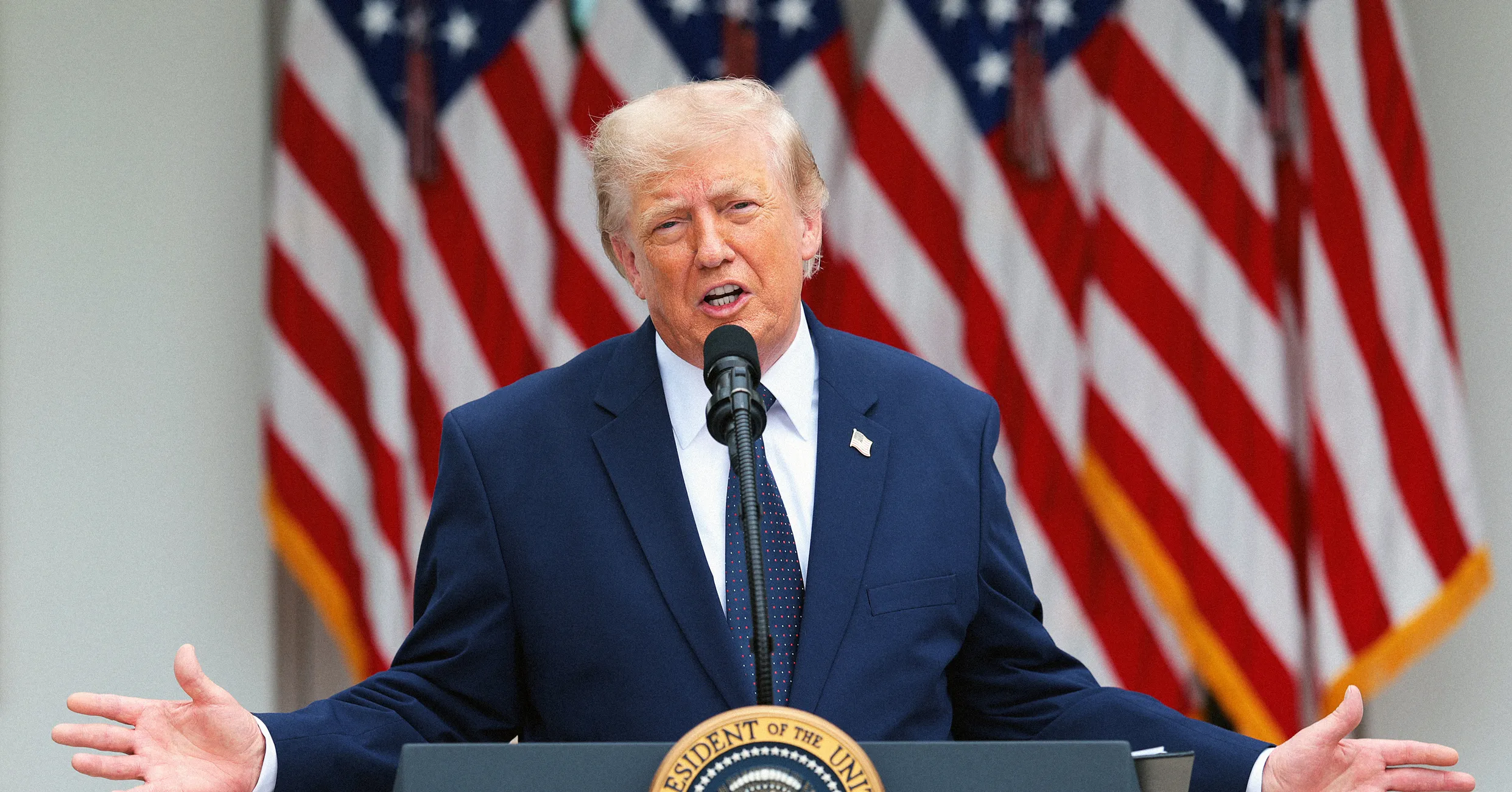
President Donald Trump delivered a speech on Thursday alleging Chinese interference in the 2020 election and cover-ups by the “deep state,” accompanied by a release of documents that experts and officials confirmed contained no evidence to support these assertions. The president repeated debunked claims regarding noncitizen voting and pointed to the White House website as proof, yet the files provided no substantiation for his sweeping claims. Intelligence agencies and a 2021 report from the Office of the Director of National Intelligence have previously concluded that China did not deploy interference efforts to change the outcome of the US presidential election.
Despite the lack of evidentiary support, election denialists and conspiracy theorists interpreted the address as a pretext to invoke the Insurrection Act. Prominent figures in this movement, including Patrick Byrne, Alex Jones, Lara Logan, Jacob Creech, and Wendy Rogers, suggested the speech paves the way for Trump to deploy the military to polling stations during the November elections. Creech, known online as WarClandestine, wrote on X that Trump would invoke the act to secure polling locations with military and federal law enforcement if other options were exhausted. Rogers, an Arizona state senator, echoed this sentiment, describing the events as “laying the predicate” in real time.
The speculation has drawn sharp condemnation from election officials and security experts. Cisco Aguilar, Nevada’s secretary of state, described the speech as “all bullshit,” while Maryland congressmember Jamie Raskin labelled it “gibberish” and “drivel.” Alexandra Chandler of Protect Democracy stated the speech was a “tired playbook” designed to deputise foot soldiers to deny future election results, arguing the move was not about national security but about preparing to reject outcomes if the president’s side loses in November.
Internal contradictions within the administration further undermined the president’s narrative. John Solomon, a conservative journalist recently appointed to a White House role reviewing election interference documents, stated he knows of “zero evidence that a foreign power flipped a vote.” When asked if the 2020 election results were accurate, Solomon replied, “I’m still researching,” and did not immediately reply to a request for comment. This stance contradicted the assertions of Michael Flynn, the disgraced former national security adviser, who called for the immediate arrest of CIA and NSA directors from Trump’s first term for treason, citing no evidence beyond Trump’s words.
Meanwhile, Cleta Mitchell, a former Trump adviser and head of the Election Integrity Network, praised Solomon’s appointment, claiming he was uncovering the truth about Chinese Communist Party attacks. However, the documents released by the White House cited Russia as the only country trying to meddle in American elections in 2020, specifically by targeting former president Joe Biden. The disconnect between the president’s claims, the content of the released files, and the assessments of intelligence officials has intensified concerns about disinformation campaigns aimed at undermining confidence in the electoral process.
