Trump’s Beijing summit: Tech CEOs join Xi talks amid US leverage concerns
The first US presidential visit to China since 2017 places semiconductor trade, AI risk management and cross-strait tensions at the centre of a two-day summit where analysts say Washington’s leverage has waned.
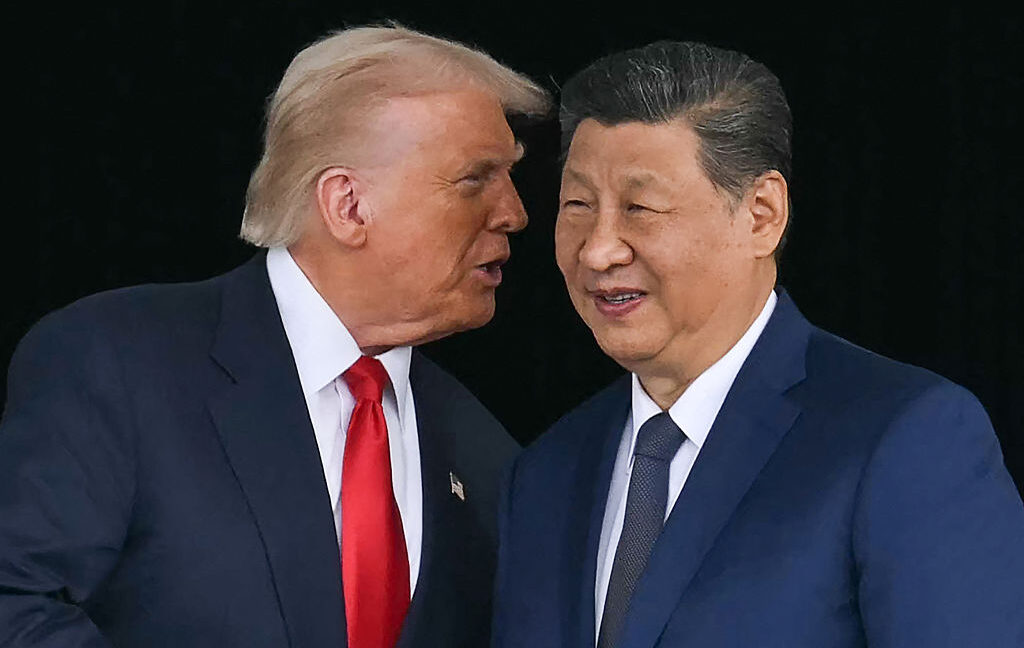
US President Donald Trump arrived in Beijing on 14 May 2026 for a two-day summit with Chinese President Xi Jinping, marking the first visit by an American president to China since 2017. Trump is accompanied by a delegation of major technology executives, including Apple CEO Tim Cook, Nvidia CEO Jensen Huang, and SpaceX CEO Elon Musk. The agenda focuses on AI risk management, semiconductor trade, and the status of Taiwan.
Experts suggest the inclusion of tech leaders reflects Trump’s diminished leverage following the perceived failure of initial foreign policy and tariff strategies. Trump had hoped to resolve conflicts in Ukraine and the Middle East and diversify supply chains to gain leverage, but these efforts largely failed. Instead, escalations in Iran have handed China more leverage, prompting Trump to invite tech executives to signal economic ties and present tangible wins to his political base.
Nvidia’s participation is seen as an attempt to convince China to purchase high-end chips, following earlier assurances that such sales were safe. However, China has resisted buying Nvidia chips thus far, prioritising domestic chip technology advancement. Scott Kennedy of the Center for Strategic and International Studies noted that while China has more leverage, both countries rely on each other in the AI race, with Nvidia’s chips being peerless and access to China’s rare-earth exports critical to US firms.
The topic of AI risk management was added to the summit agenda in the week prior, partly in response to China blocking Meta’s acquisition of the Chinese company Manus. China is expected to press for a shift in US language regarding Taiwan, potentially moving from “does not support” to “opposes” Taiwan independence. Trump recently stated that whether Xi invades Taiwan is “up to him,” a comment criticized by analysts as sending dangerous signals and undermining strategic stability.
Both sides are likely to extend the temporary trade truce established during Trump’s previous meeting with Xi. Analysts warn that Trump’s transactional approach and recent cuts to US science funding may undermine American strategic interests, while Taiwan seeks to manage pressure to diversify its semiconductor manufacturing. The summit represents a significant diplomatic engagement as both superpowers navigate complex economic and security challenges.
