Trump warns Iran to 'get moving' or face destruction
Donald Trump has told Iran to 'get moving' or 'there won’t be anything left', reinforcing previous threats to strike civilian infrastructure that have been characterised as potential war crimes.
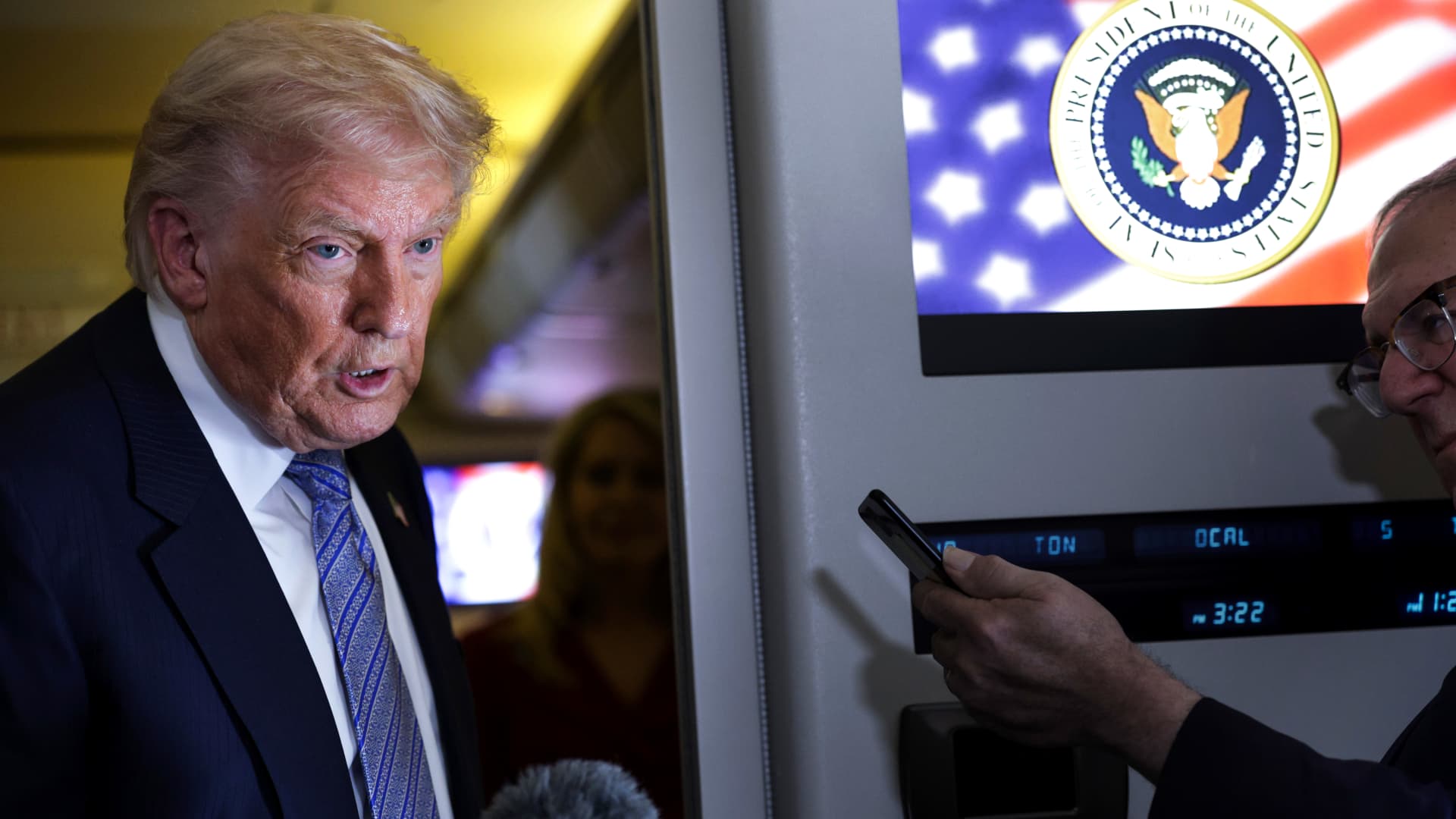
US President Donald Trump has issued a stark warning to Iran, stating that the nation must 'get moving' or face a scenario where 'there won’t be anything left'. The ultimatum marks a significant escalation in rhetorical tensions between Washington and Tehran, with the President framing the deadline in terms of total destruction.
The statement follows a pattern of aggressive posturing from the White House regarding the Middle East. According to reports, President Trump has previously threatened to strike civilian infrastructure within Iran. Such actions have been characterised as constituting a potential war crime, highlighting the severe legal and humanitarian implications of the proposed military options.
The repetition of these threats underscores the administration's hardline stance. By explicitly linking the demand for immediate action with the prospect of leaving nothing behind, the President has moved beyond standard diplomatic pressure into territory that suggests imminent and overwhelming force.
This development is being tracked closely by markets, which are sensitive to geopolitical instability in key energy-producing regions. The categorisation of this event under market-related developments with high confidence suggests that investors are already pricing in the risks associated with potential conflict in the region.
The legal characterisation of previous threats as potential war crimes adds a layer of complexity to the situation. While the President’s rhetoric is direct, the international legal framework surrounding attacks on civilian infrastructure remains a critical point of contention. The distinction between political threat and actionable military strategy continues to be a focal point for analysts and policymakers alike.
As the situation develops, the focus remains on whether the 'get moving' directive will lead to diplomatic negotiations or military confrontation. The potential for further escalation poses significant risks to global stability and financial markets, particularly given the region's importance to global energy supplies.