Trump vows continued strikes on Iran following IRGC claims of attacks on US forces
The White House signals escalation in military operations while Tehran’s Revolutionary Guard Corps asserts it has struck American troops across the Gulf region.
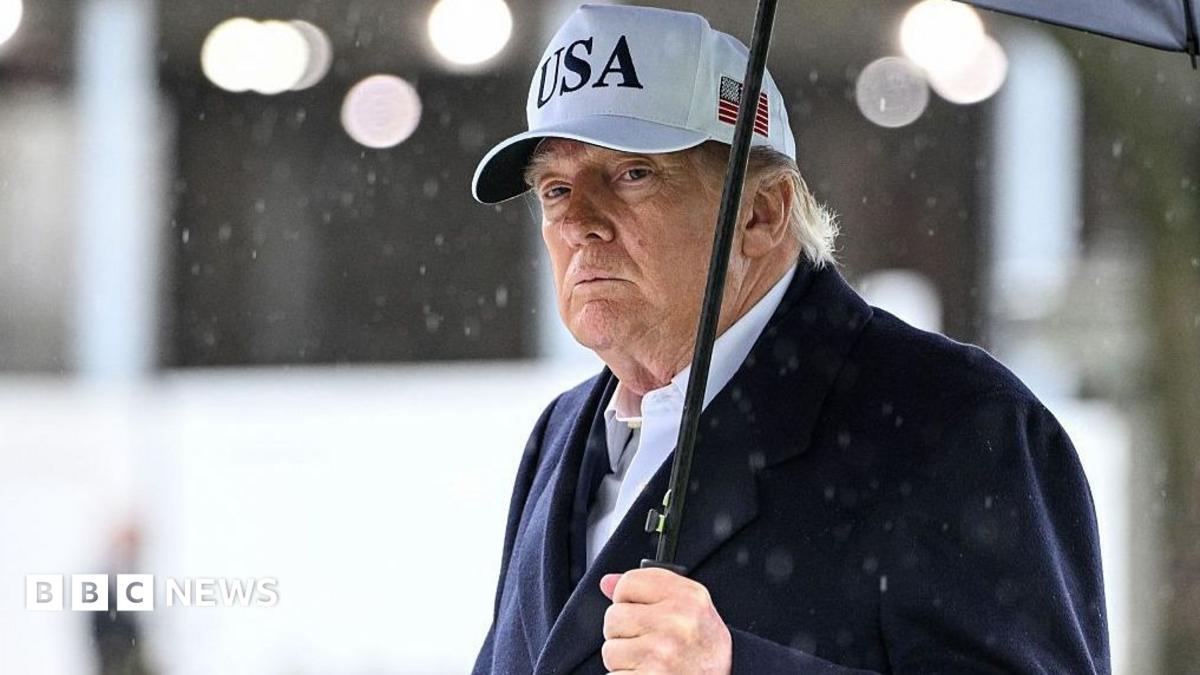
US President Donald Trump has declared that military strikes on Iran will persist until he personally determines an end to the campaign, explicitly naming the country’s bridges and power plants as potential objectives. The announcement marks a significant escalation in rhetoric and operational intent, following allegations from Iran’s Islamic Revolutionary Guard Corps (IRGC) that it had successfully attacked US forces stationed in Kuwait, Bahrain, and Jordan.
The White House statement did not provide independent verification of the IRGC’s claims regarding the assaults on American troops. However, the guard corps asserted that its operations targeted US military personnel across the three specified nations. The timing of the president’s declaration suggests a direct response to these assertions, framing the continued strikes as a necessary measure to address the alleged threats to US forces in the region.
In his address, President Trump outlined the scope of the potential military action, identifying critical infrastructure as viable targets. By specifying bridges and power plants, the administration has indicated a strategy that extends beyond immediate kinetic engagements to include the degradation of Iran’s logistical and energy capabilities. This approach underscores a policy focused on long-term pressure rather than limited tactical engagements.
The IRGC’s claims of attacks in Kuwait, Bahrain, and Jordan introduce a complex dimension to the regional security landscape. These nations host significant US military presence, and any confirmed strikes on American personnel would represent a direct confrontation with US forces. The lack of immediate confirmation from US defence authorities regarding the status of troops in these countries leaves the operational reality of these claims unverified.
This geopolitical development unfolds against the backdrop of the 2026 FIFA World Cup, where international attention is currently focused on sporting events in the United States. While the tournament continues with Spain advancing to the final after defeating France, the concurrent military escalation in the Middle East highlights the diverging priorities between global public events and high-stakes international security policy.
The administration’s stance reflects a governance model where the president retains sole discretion over the duration of military operations. This centralisation of decision-making power in the executive branch signals a shift towards a more personalised approach to foreign policy enforcement, with the potential for prolonged conflict depending on the president’s strategic calculus.
As tensions remain high, the international community awaits further clarification on the extent of the strikes and the verification of the IRGC’s claims. The identification of infrastructure targets suggests a broadening of the conflict’s scope, with potential implications for regional stability and global energy markets.