Trump urges Israel and Iran to halt hostilities as ceasefire faces first major test
Both nations have suspended counterstrikes after Iran launched missiles and Israel responded with air strikes on military and petrochemical targets.
Donald Trump has called on Israel and Iran to cease immediate hostilities as he works to extend the fragile ceasefire agreement between the two nations. The US president urged both sides to 'stop shooting' following a period of direct military engagement that marks the first such exchange since the truce was established in early April 2026.
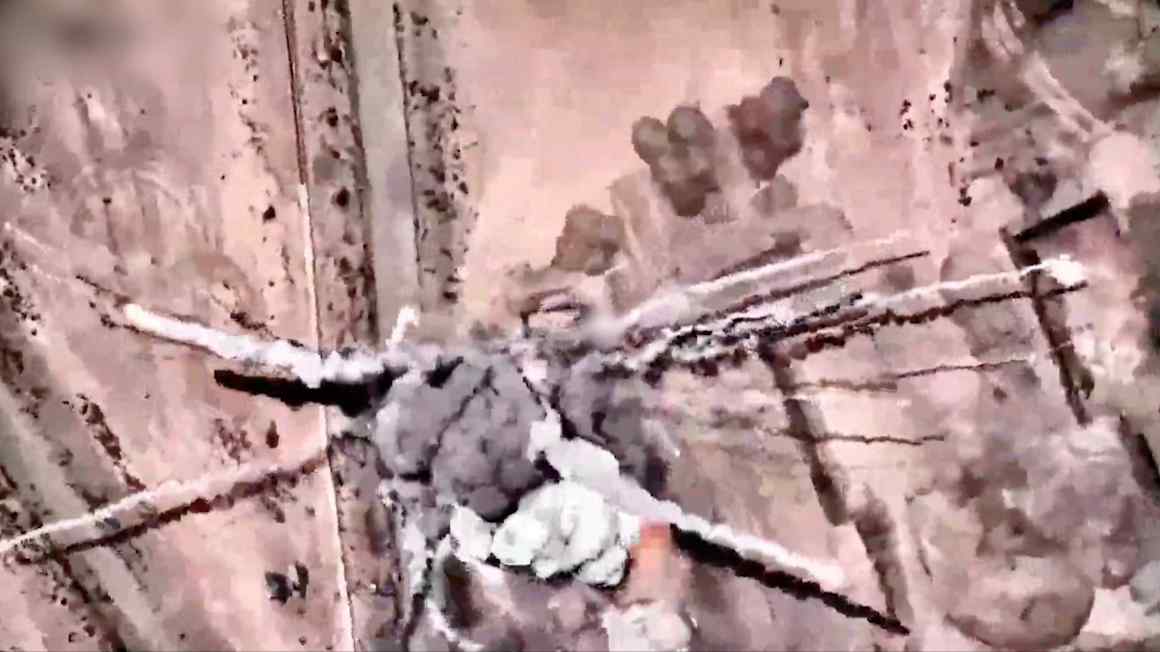
The escalation began with an Israeli strike on a Hezbollah command centre in Beirut, prompting Iran to launch approximately 30 missiles at Israeli targets in retaliation. Israel responded with two waves of air strikes aimed at military and petrochemical installations in western and central Iran, with explosions reported in the cities of Tehran, Tabriz, and Isfahan.
Both Israel and Iran have now halted their counterstrikes. The pause in hostilities follows the direct intervention and public appeals from President Trump, who is actively pursuing an extension to the existing ceasefire framework. This development provides a brief window for diplomatic engagement, though the underlying causes of the conflict, including the initial strike on the Beirut command centre, remain unresolved.
The current situation represents the first significant test of the April ceasefire, which was designed to stabilise relations between the two regional powers. The international community is monitoring the situation closely as the truce faces its most severe challenge since its inception. While the immediate exchange of fire has stopped, the long-term stability of the agreement remains uncertain.
Specific terms regarding the duration or conditions of the proposed ceasefire extension have not been detailed. The halt in attacks offers a temporary respite, but the broader regional instability and the history of retaliatory strikes suggest that the diplomatic landscape remains volatile. Investors and analysts are watching for further signals from Washington and the involved parties regarding the future of the truce.