Trump signs revised AI executive order following industry pushback
The directive prohibits mandatory licensing for AI developers and directs the Department of Justice to prioritise enforcement against AI-assisted cybercrimes.
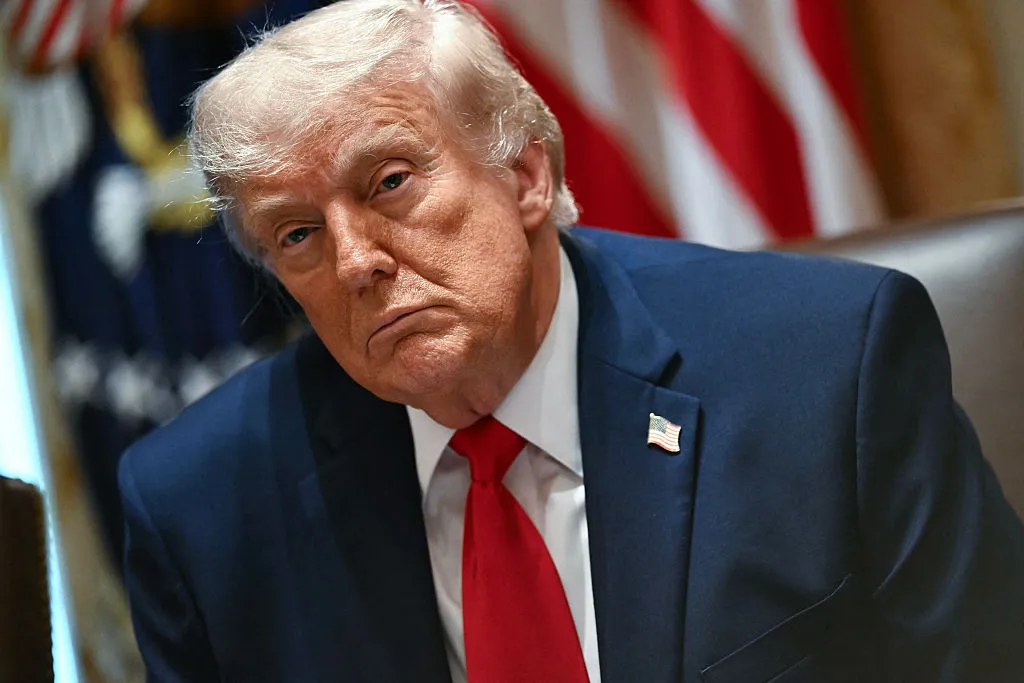
President Donald Trump signed a revised executive order on Tuesday establishing a voluntary 30-day government review window for advanced artificial intelligence models prior to public release. The directive follows significant industry pushback, including objections from former White House AI czar David Sacks, which led to the reduction of the proposed review period from 90 days. The order explicitly prohibits mandatory licensing, preclearance, or permitting requirements for AI development and directs the Department of Justice to prioritise enforcement against AI-assisted cybercrimes. The signing occurred privately, without the Silicon Valley CEOs originally planned to attend.
The executive order mandates that certain AI companies voluntarily submit new models to the government for testing or evaluation 30 days before releasing products to the public. A previous draft of the order had proposed a voluntary review window of up to 90 days, although AI industry insiders had advocated for a shorter window, closer to two weeks. Trump had been slated to sign the more demanding version of the order in late May but delayed the signing to address industry concerns, stating he did not wish to hinder AI firms’ ability to compete against China.
The text of the order published on Tuesday explicitly states that nothing in the section shall be construed to authorize the creation of a mandatory governmental licensing, preclearance, or permitting requirement for the development, publication, release, or distribution of new AI models, including frontier models. While Trump had planned to sign the executive order with a bevy of Silicon Valley’s top CEOs in attendance, he ended up signing the current version privately.
In addition to the voluntary governmental AI model review, the executive order directs the Department of Justice to treat crimes such as AI-assisted hacking and unauthorised access as a high-priority enforcement area. This directive complements a previous order signed by Trump last December, which established a national AI policy framework intended to preempt state-level AI laws.
Market activity reflected broader geopolitical and technological developments on Thursday, as US stock markets rose following the commencement of a two-day summit between Trump and Chinese President Xi Jinping in Beijing. The Dow Jones Industrial Average gained 0.8%, the S&P 500 rose 0.3%, and the Nasdaq Composite climbed 0.2%. Nvidia shares surged more than 2% following news that the US approved H200 chip sales to Chinese firms.