Trump Signs Revised AI Executive Order, Cutting Government Access Window to 30 Days
The new framework reduces mandatory advance access from 90 to 30 days, establishes a voluntary identification process for frontier models, and mandates cybersecurity hardening across federal agencies.
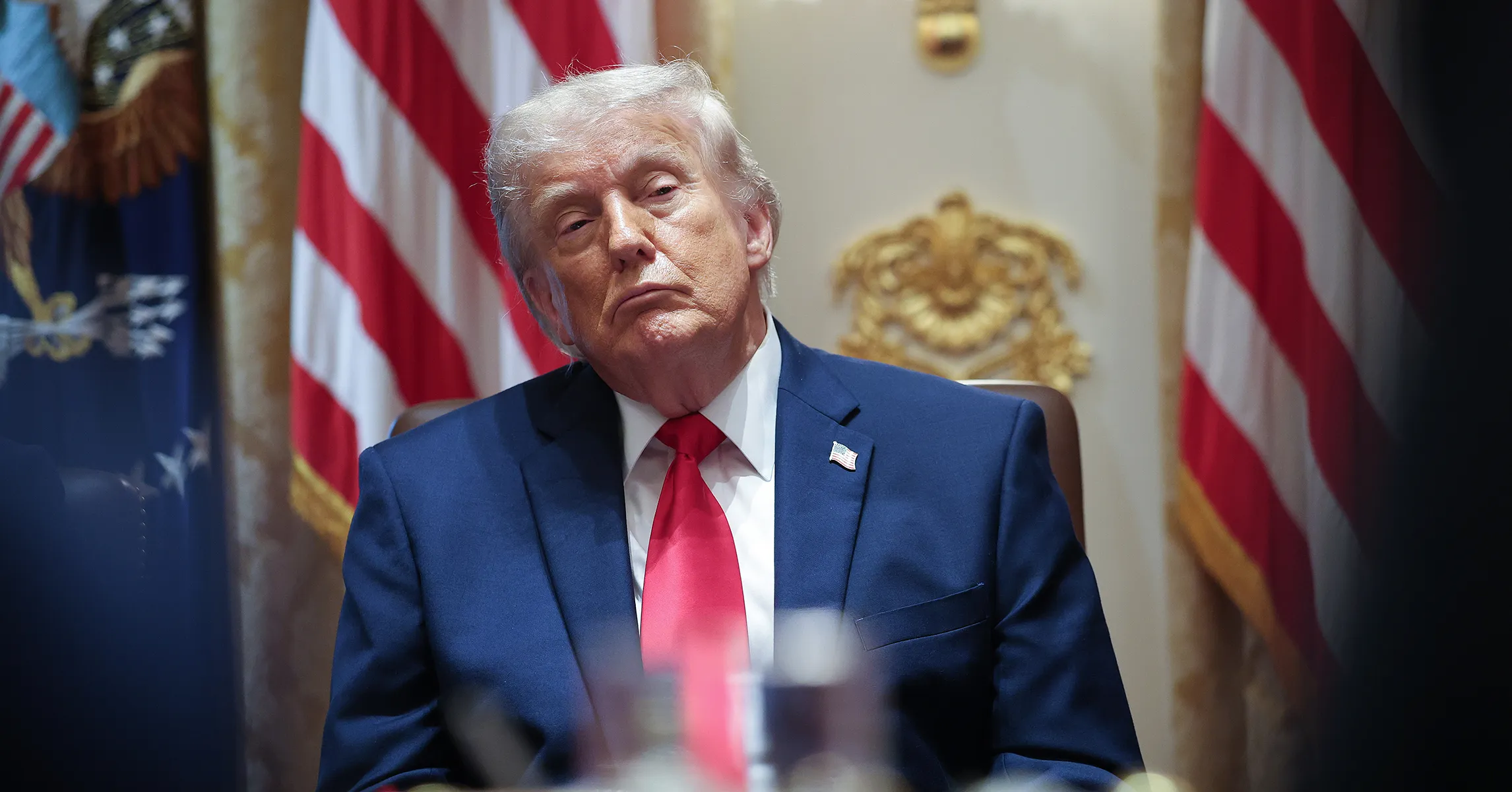
US President Donald Trump signed a revised executive order governing artificial intelligence on Monday night, finalising a scaled-back regulatory framework after senior aides persuaded him that the administration could not indefinitely delay establishing a protocol for the technology. The order, which represents the first major AI regulation directive of Trump’s second term, reduces the mandatory advance access period for the federal government from 90 days to 30 days before the public release of advanced AI models.
The revised directive establishes a voluntary process to identify powerful systems, such as Anthropic's Claude Mythos and OpenAI's GPT-5.5, granting the US government exclusive early access to address potential vulnerabilities. While the order does not implement formal regulation, it directs the Pentagon to secure classified networks within 30 days and instructs the Justice Department to prosecute individuals using AI for cyberattacks. This shift reflects growing concern inside the administration that increasingly sophisticated models could be exploited to target critical infrastructure.
The measure represents a policy victory for White House Chief of Staff Susie Wiles and Treasury Secretary Scott Bessent, who worked alongside National Cyber Director Sean Cairncross to revive the proposal. The initiative overcame initial resistance from former AI czar David Sacks, a leading skeptic of government intervention. Aides drafted the final language of the order on Tuesday morning, following a high-level White House meeting on Monday where Sacks participated via phone.
Trump had previously scrapped an earlier version of the order on May 21 after AI companies and Sacks warned that a 90-day review window would be too burdensome for a rapidly evolving industry. However, executives at several major firms later indicated to the administration that their models were becoming more powerful, suggesting the White House could not simply postpone a framework forever. With the order now in place, Bessent can begin discussions with China about creating a similar cross-border framework for advanced AI systems, talks that had been on hold while the administration settled its domestic policy.
White House spokesperson Liz Huston stated the order reflects a “common-sense approach” to balancing innovation and security, cementing America’s continued global dominance in AI and cybersecurity. Anthropic publicly supported the executive order, describing it as an important step for strengthening America’s leadership in AI. The order also calls for the creation of a classified process to determine which models warrant access and to select other trusted partners for early access to frontier systems.
