Trump signs defence memo to fast-track AI into US military operations
The directive requires the Secretary of Defence to update autonomous weapons protocols while prohibiting the disabling of military AI systems without government approval.
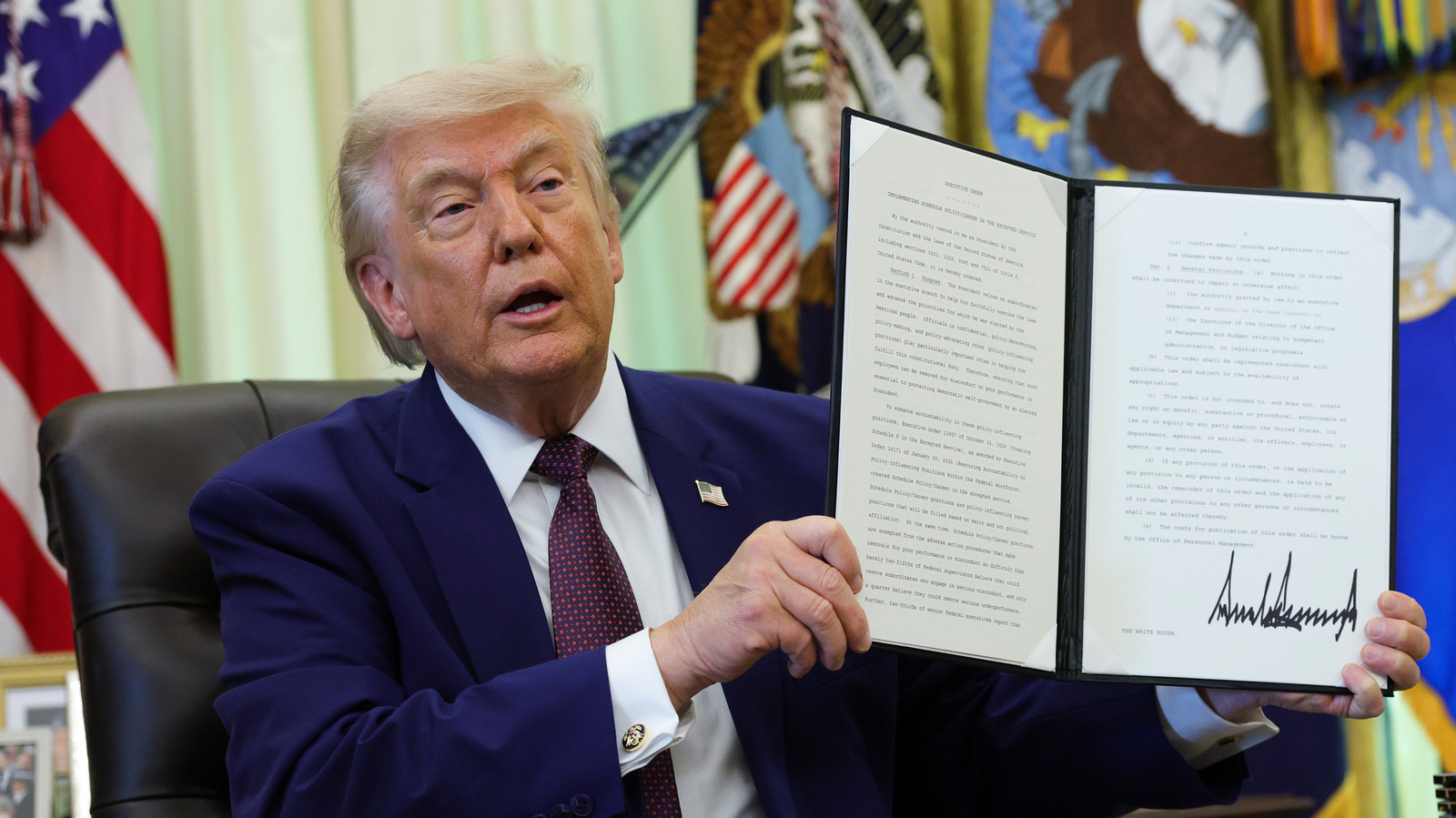
President Donald Trump has signed a National Security Presidential Memorandum aimed at accelerating the integration of advanced artificial intelligence across US federal defence agencies. The directive, signed on Friday, mandates the rapid onboarding of cutting-edge AI models from multiple vendors to support military operations. This move follows an executive order signed earlier in the week that established a 30-day government review window for frontier models before their public release.
The memorandum explicitly prohibits commercial entities from disabling, degrading, or modifying AI systems relied upon by American warfighters without prior government approval. This restriction ensures that third-party vendors cannot unilaterally alter the functionality of critical defence technologies once deployed. The White House Office of Science and Technology Policy director, Michael Kratsios, stated that the administration aims to provide the best, most secure, and most reliable AI in the world for those who defend the nation.
Under the new framework, Secretary of Defence Pete Hegseth is required to issue an updated directive on autonomous weapon systems. The memo aligns with the administration’s broader goal of adapting the best commercial and open-source technologies for mission use, reflecting a strategy to leverage private sector innovation for national security purposes.
The directive also places specific limitations on how defence agencies can develop and deploy AI tools. Agencies are restricted from creating or releasing models designed to censor free speech, embed ideological bias, or conduct unlawful surveillance against the American people. These constraints are intended to ensure that the technology serves defensive missions without infringing on civil liberties or political expression.
The signing of the memo comes shortly after a summit in Beijing between President Trump and Chinese President Xi Jinping, which covered trade, artificial intelligence, and regional tensions. The diplomatic engagement coincided with US approvals for Nvidia H200 chip sales to Chinese firms, a development that saw Nvidia shares surge more than 2% and contributed to broader gains in US stock markets.
