Trump sets 50 per cent tariff on Canadian auto imports from 2027
The US President announced a significant hike in duties on vehicles and parts from Canada, marking a shift from diplomatic friction to direct economic countermeasures.
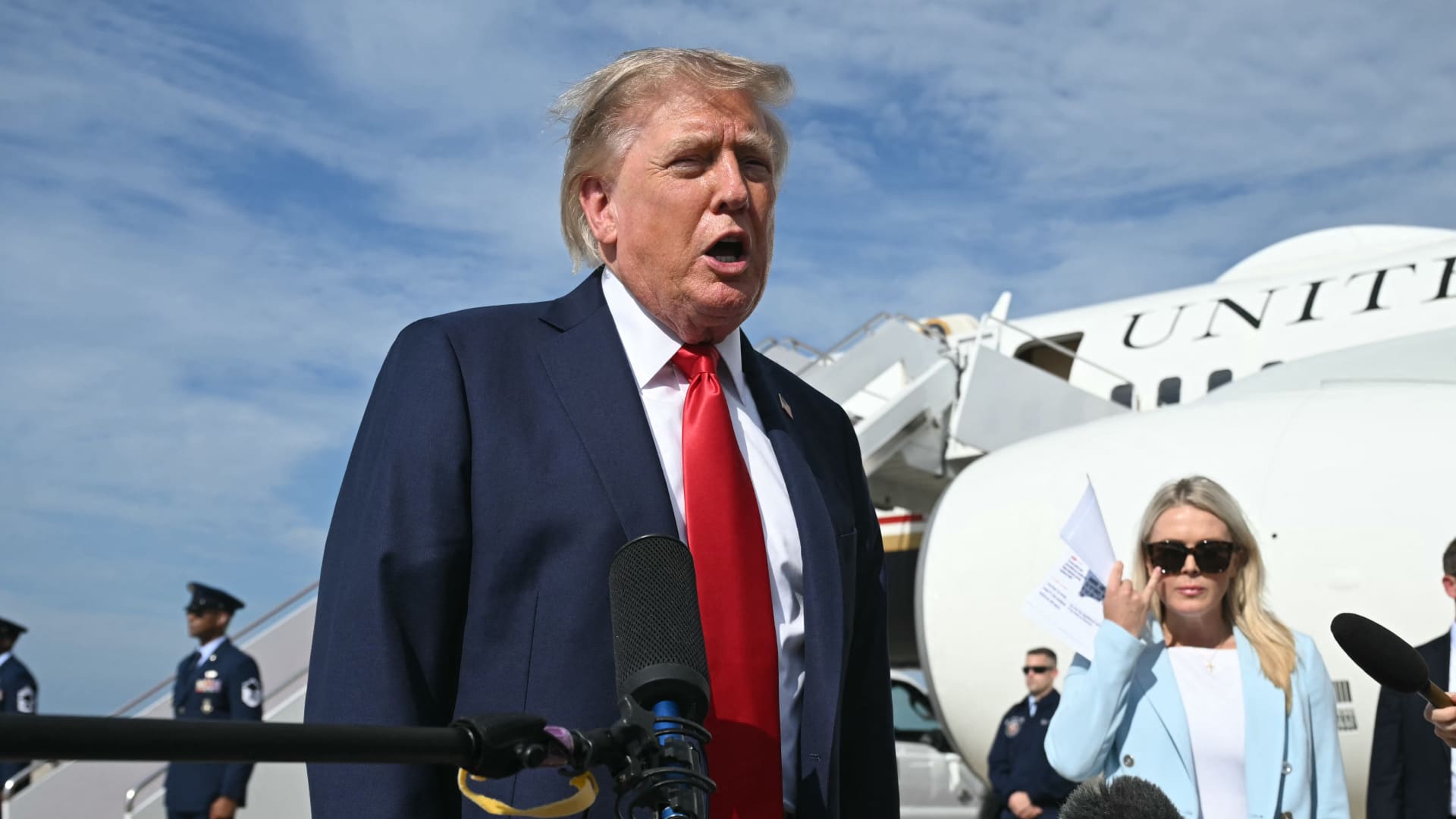
US President Donald Trump has announced that the United States will increase tariffs on imports of cars, trucks, and auto parts from Canada to 50 per cent. The new rate is scheduled to take effect on 1 January 2027, representing a substantial escalation in the ongoing bilateral trade dispute.
According to CNBC, the announcement signals a hardening of the US position in what is increasingly described as a trade war. The measure specifically targets the automotive sector, covering finished vehicles and component parts entering the US market from its northern neighbour.
The Financial Times notes that this development marks a transition from diplomatic friction to direct economic countermeasures. By setting a specific future date for the increase, Washington provides Canadian exporters and US importers with a defined timeline to adjust their supply chains and pricing strategies.
This move occurs against a backdrop of broader geopolitical tensions that continue to influence market volatility. Recent developments, including the collapse of a 60-day ceasefire between the US and Iran in June 2026, have contributed to an uncertain economic landscape. Investors are now assessing how this specific tariff hike will interact with these wider global risks.
While the source material does not specify the previous tariff rate or potential exemptions, the 50 per cent figure is a clear indicator of the US administration's intent to apply economic pressure. The announcement underscores the growing complexity of trans-Pacific trade relations, where policy decisions in one region can have ripple effects across global supply networks.
For institutions and investors, the key takeaway is the shift towards more direct economic levers in the US-Canada relationship. As the effective date approaches, market participants will likely monitor for further details on enforcement mechanisms and any potential negotiations that may alter the trajectory of this trade dispute.