Trump scales back bank citizenship data mandate in revised executive order
The White House has issued a narrower directive than initially proposed, focusing on payroll tax evasion and concealed ownership while avoiding a blanket requirement for banks to verify client immigration status.
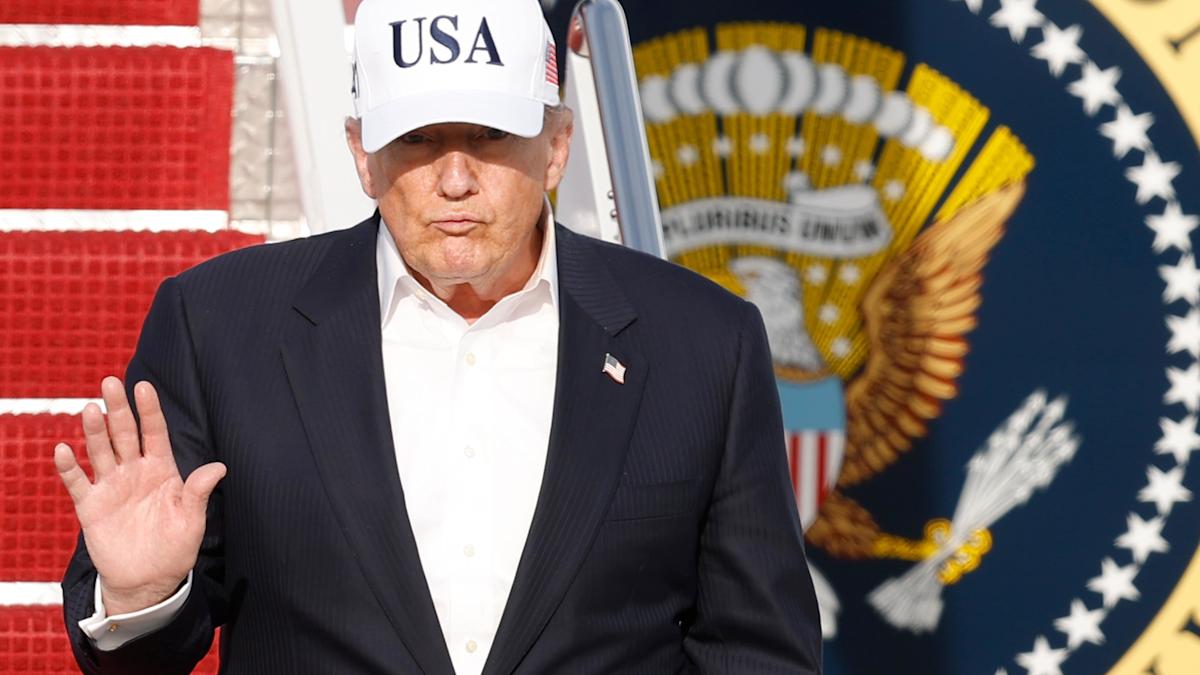
President Donald Trump issued an executive order on Tuesday directing the Treasury secretary to advise banks on identifying red flags related to payroll tax evasion, concealed account ownership, and unverified legal presence. The order is less extensive than a previous Treasury proposal that would have required banks to collect clients' citizenship information. Industry executives had warned that verifying the immigration status of all current clients would be burdensome and could lead to the debanking of millions of customers.
The revised directive targets specific risks, including off-the-books wage payments, labour trafficking, and the use of individual taxpayer identification numbers to open accounts or obtain credit without verified legal presence in the United States. The White House also stated that Treasury and regulators should propose changes to the Bank Secrecy Act to make it easier to obtain information about clients, singling out consular identification documents as risky.
News website Semafor reported the content of the executive orders earlier on Tuesday. Trump had earlier announced he would issue an order requiring banks to collect data on their customers' citizenship or immigration status, a directive that senior industry executives had warned would be costly and disruptive. Banks considered that checking the immigration status and citizenship of all current clients would be very burdensome and nearly impossible, Reuters reported last month.
Trade groups explained that such an order could lead to debanking of millions of customers and reduce financial access to Americans. An executive in a large bank that asked for anonymity said the administration showed it listens and is open to change. The changes are positive to the banks, said Ed Mills, a Washington policy analyst with Raymond James.
Mills noted that while the administration wants greater controls on immigration, bank regulators have always wanted as many financial transactions to go through the traditional financial systems. He added that the previous proposal could have removed many individuals from the financial system, potentially creating a national security risk.