Trump orders scale-back of US-South Korea military drills
The decision to reduce the annual Ulchi Freedom Shield exercises has raised concerns about the reliability of Washington’s security commitments to its allies.
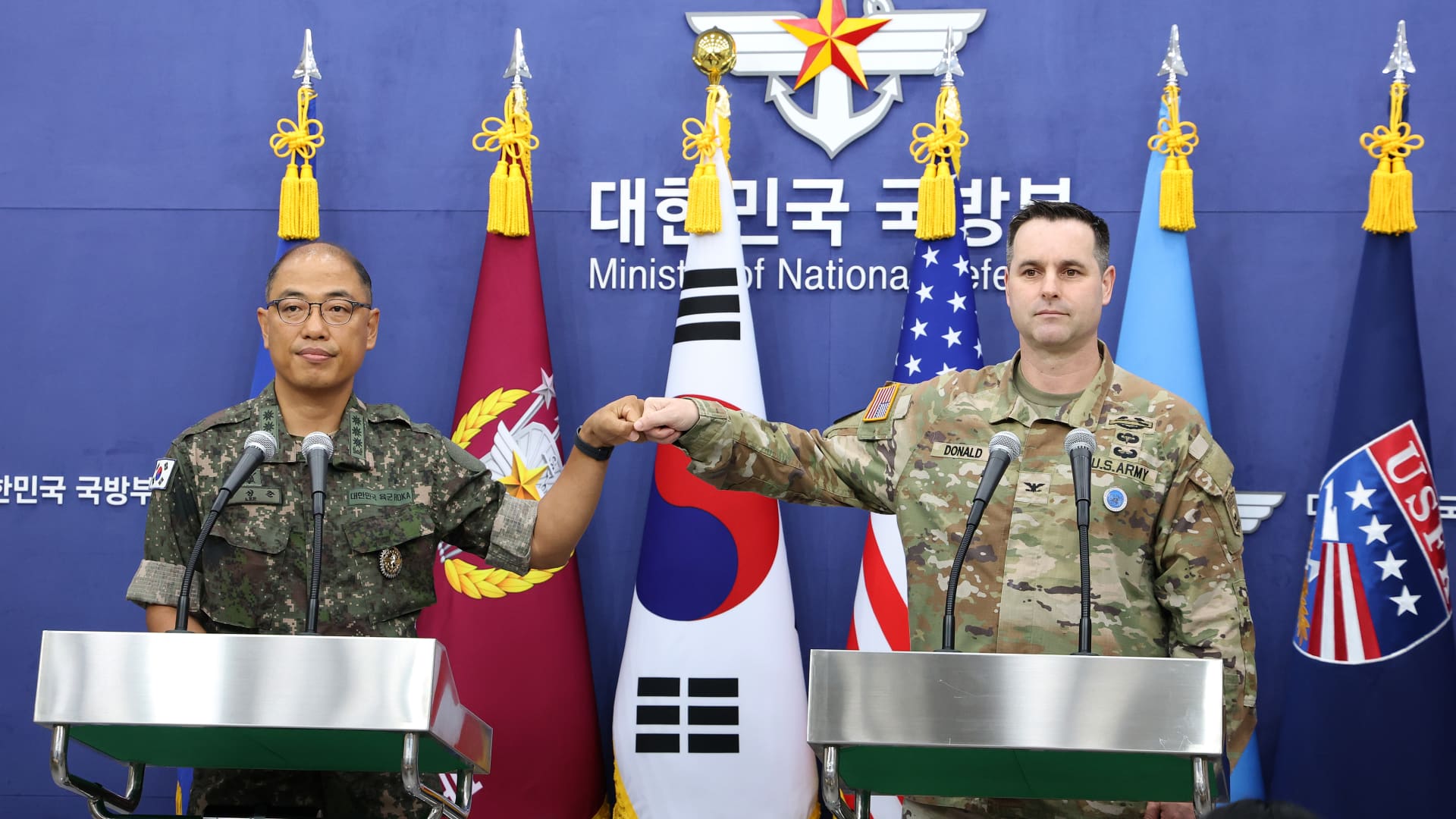
US President Donald Trump has ordered a significant reduction in the scale of joint military exercises between the United States and South Korea. The directive, issued via the Truth Social platform hours before the commencement of the annual Ulchi Freedom Shield drills, mandates a substantial scale-back of the manoeuvres that have been conducted for decades.
In his statement, Trump cited the exercises as sending an “inappropriate and hostile” signal to North Korea. He referenced his “good relationship” with North Korean leader Kim Jong Un as a factor in the decision to alter the long-standing defence protocol.
The President also pointed to Seoul’s refusal to join the US-Israel war on Iran as a contributing factor. Trump questioned why South Korea would not assist in what he described as a “very easy military operation” in Iran, despite the United States maintaining 39,000 troops in the region to guard against North Korea.
The move is expected to raise questions regarding the credibility of Washington’s commitment to its alliances. By bypassing traditional diplomatic channels to communicate the change, the decision has intensified scrutiny of the bilateral relationship and its impact on joint military readiness.
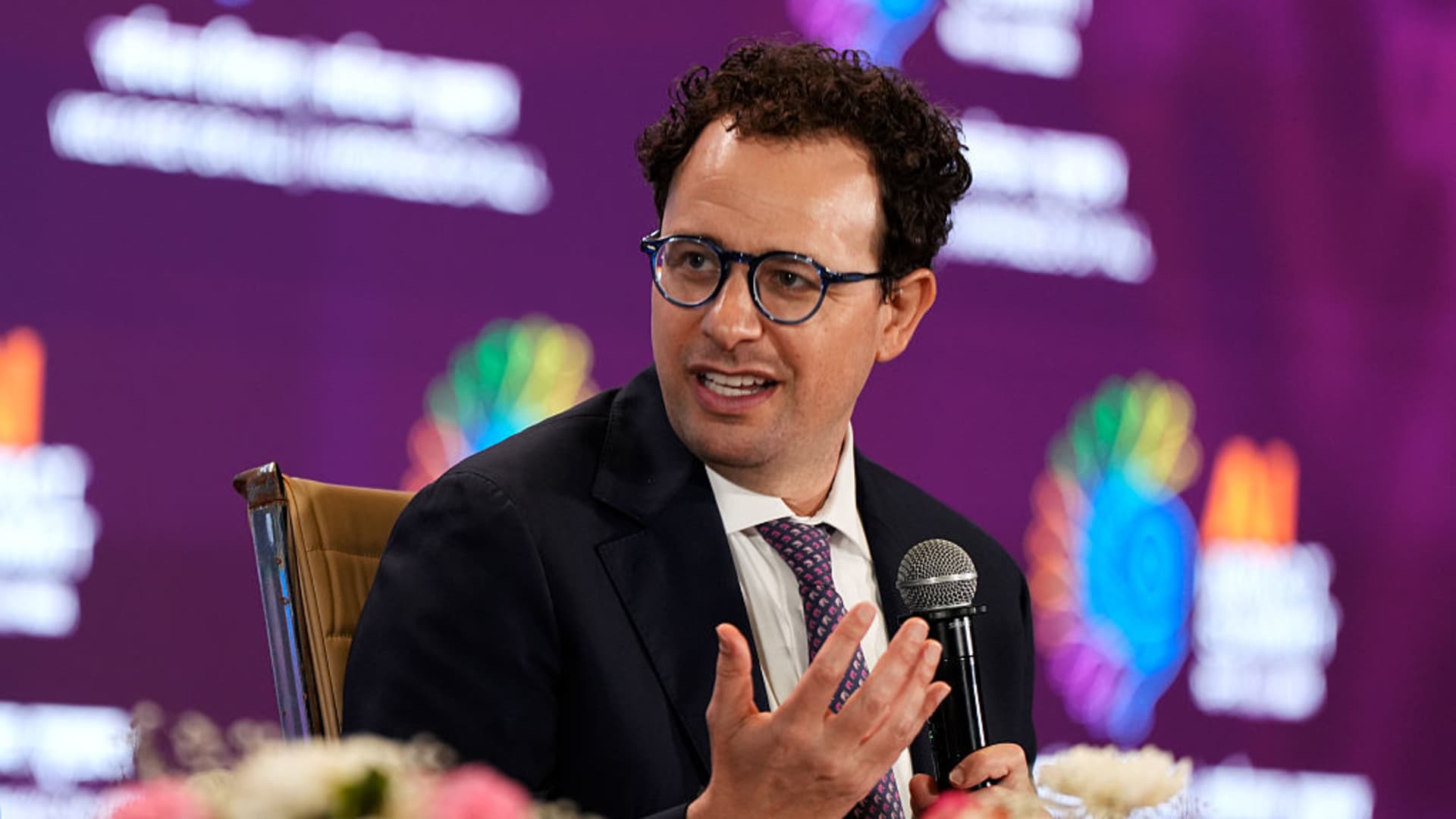
Analysts note that the predictability of Washington’s security commitments is increasingly viewed as uncertain. Cha Du Hyeogn, vice president of the Asan Institute for Policy Studies, has commented on the implications for the security framework, suggesting the episode reshapes the strategic landscape for the region.
The broader bilateral relationship is currently weighed down by unresolved trade negotiations, including a South Korean pledge to invest $350bn in the US for tariff relief. This economic tension, combined with the sudden shift in defence policy, underscores the volatility currently characterising the US-South Korea partnership.