Trump Mobile T1 Phone shipments stall as media samples arrive but regular orders lag
The Verge reports that while NBC and CNET received expedited media units, its own orders remain unshipped and uncharged, contradicting widespread industry claims of a successful launch.
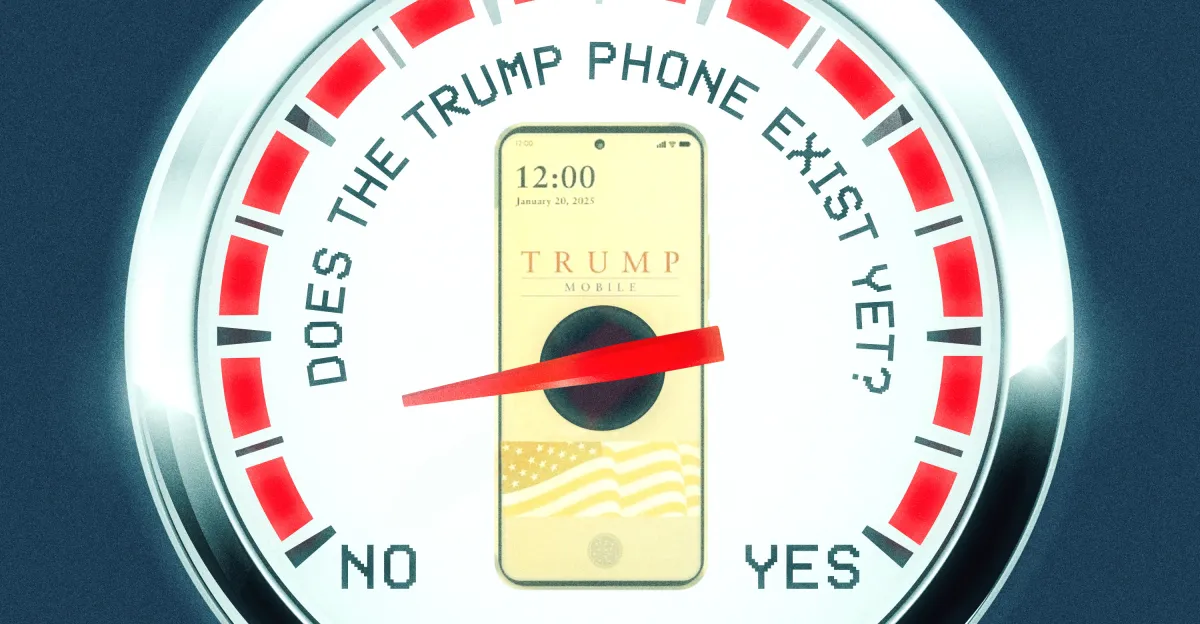
Trump Mobile has failed to deliver the T1 Phone to regular customers more than two weeks after announcing that shipments would commence. Despite repeated claims from outlets such as Newsweek, The Daily Beast, and Reuters that the device has launched and is actively shipping, no units have reached general buyers. The Verge, which placed two orders for the device, reports that neither phone has shipped, nor has the remaining balance of $399 been charged; the company has also not yet requested shipping addresses.
While regular orders remain stalled, two media outlets, NBC and CNET, received expedited media samples of the T1 Phone. NBC tested basic features including calling, texting, internet browsing, and photography, finding them functional. Both samples match the advertised design, featuring an 11-stripe US flag motif, and shipped with a braided USB-C cable, a wall charger, and a plastic case. The devices also include two preinstalled applications: Truth Social and Doctegrity, a telehealth service bundled with Trump Mobile plans.
Discrepancies regarding the scale of the launch have emerged following a leak of customer data. While several publications have repeated claims that 590,000 units were preordered, the leaked data suggests that actual orders are significantly lower, with a maximum of 30,000 phones ordered. This contradicts the narrative of a massive consumer rollout and aligns with The Verge’s long-standing reporting that such figures were unevidenced.
Further technical claims have also been challenged. Some reports suggest the T1 Phone is based on the $250 T-Mobile Revvl 7 Pro 5G, but The Verge notes that the latest version of the device does not match that hardware. Additionally, while some outlets report the phone is manufactured in China, available evidence points toward Taiwan as the more likely origin, though this remains unconfirmed.
Over the past 11 months, The Verge has documented a pattern of missed deadlines, multiple changes to the phone’s design and specifications, and previous inaccuracies regarding manufacturing location. The company initially required a $100 deposit, with the remaining balance due upon shipment. As of now, the impression of a completed launch appears to be driven by media samples rather than actual consumer delivery.