Trump issues July 4 ultimatum to EU on trade deal ratification
The White House has set a hard timeline for the ratification of a pending trade agreement, stating that failure to comply will trigger escalated tariff rates on European goods.
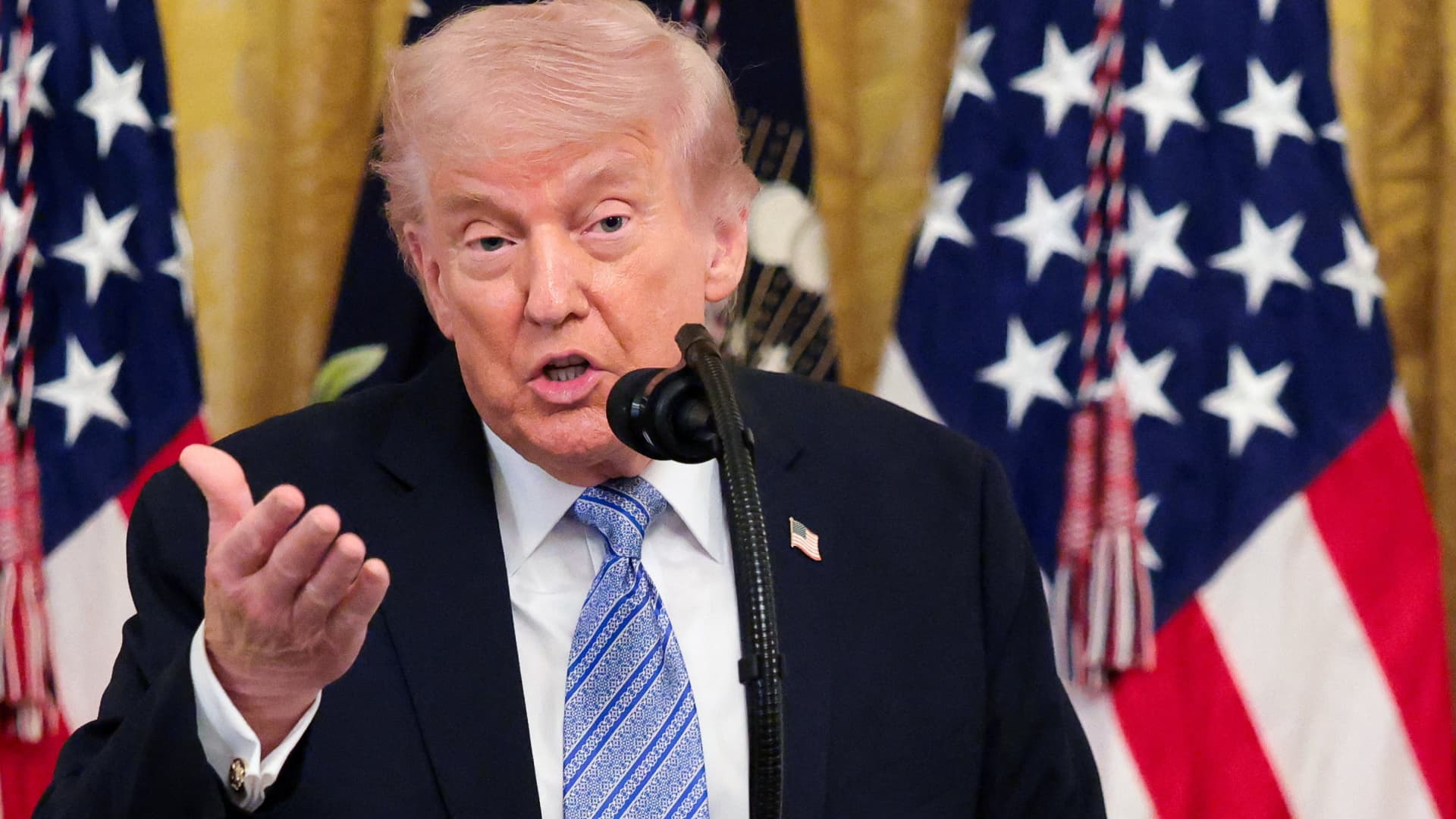
President Donald Trump has issued a final ultimatum to the European Union, stating that the bloc must ratify its pending trade agreement with the United States by 4 July. The US President made the announcement directly, warning that failure to meet this specific deadline will result in the imposition of much higher tariffs on EU goods.
While the threat involves escalating existing tariff levels to significantly higher rates, the precise definition of these increases has not been quantified in available reporting. Specific percentage rises or the sectors most likely to be affected remain undefined, leaving the exact financial impact on European exporters unclear at this stage.
The feasibility of the EU meeting the 4 July ratification deadline is currently unverified, as the current status of the ratification process is not specified in the administration's statement. Market observers are now assessing the likelihood of the agreement being finalised within the compressed timeframe provided by the White House.
This development occurs within a broader context of shifting US regulatory priorities, evidenced by the recent dropping of a criminal probe into Federal Reserve Chair Jerome Powell by the US Justice Department. While unrelated to the trade dispute, this move indicates a significant change in certain regulatory or political priorities within the current administration.
The legal or procedural mechanisms for enforcing this hard deadline and implementing the threatened tariffs have not been detailed by officials. The claim that tariffs will be much higher remains a direct statement from the President, with actual implementation depending on subsequent legislative or executive actions which are not yet confirmed.
Investors and institutions are monitoring the situation closely as the pressure mounts on European policymakers. The outcome of this standoff could have substantial implications for cross-Atlantic commerce and broader market stability in the coming months.