Trump imposes 100 per cent tariffs on heavy drones and aircraft parts
The United States has introduced significant tariffs on drone imports and aircraft components, with rates reaching 100 per cent for heavier models and thermal-equipped units, while allies receive reduced rates contingent on supply chain origins.
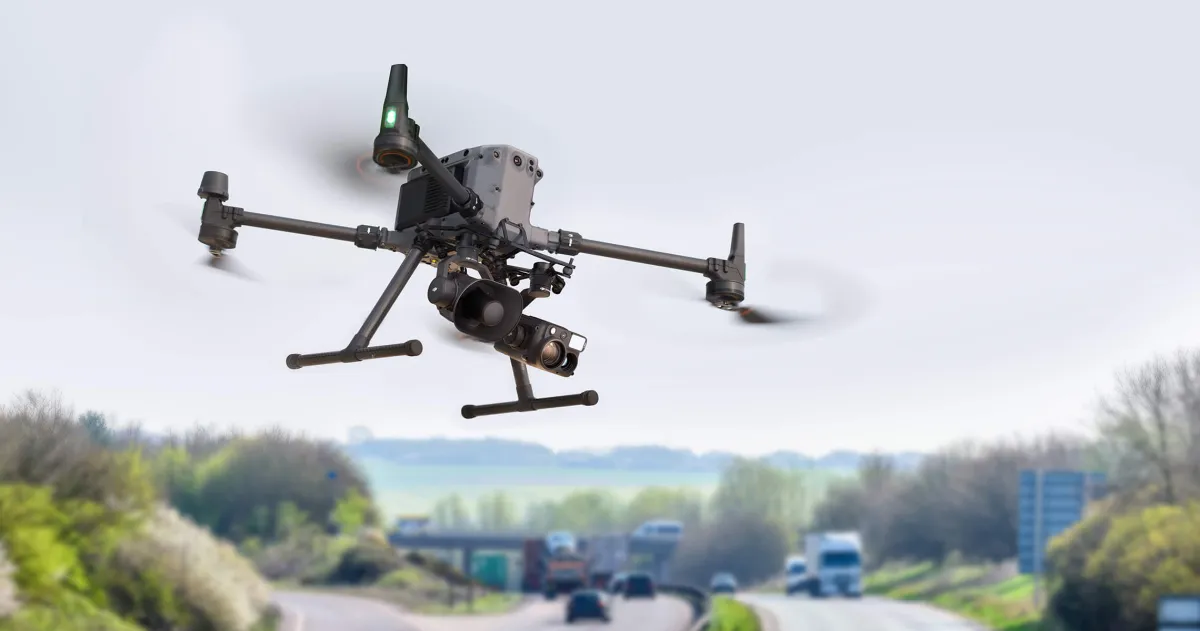
President Donald Trump has declared a 100 per cent tariff on imports of drones equipped with thermal cameras, drones weighing over 25kg, and any parts for unmanned aircraft exceeding that weight threshold. The proclamation, published by The Verge, expands previous restrictions on foreign hardware by targeting existing imports rather than solely banning future entries. A 25 per cent tariff applies to all other drones, including consumer models weighing under 250 grams.
The tariffs include a significant exemption for companies that commit to manufacturing some of their drones or aircraft parts within the United States. This structure mirrors previous trade strategies, such as threats regarding computer chips, aiming to leverage market access for domestic production commitments. The administration has also authorised the Secretary of Commerce to create a program incentivising investment in US production facilities for unmanned aircraft systems and their components.
Specific tariff rates have been established for allied nations, provided that substantially all hardware, software, and technology originates from those countries and the US. The European Union, Japan, Liechtenstein, South Korea, Switzerland, and Taiwan are subject to a 15 per cent rate, while the United Kingdom receives a 10 per cent rate. These reduced duties are conditional on the origin of the technology and components involved in the supply chain.
The move follows legal challenges to previous trade actions, with the US Court of International Trade ruling against Trump’s global tariffs and the Supreme Court declaring such global tariffs illegal earlier this year. Despite these rulings, the administration continues to announce new trade measures. The proclamation also notes that current tariff structures may result in corporate profit retention rather than consumer price relief, as companies raise prices to cover costs and retain government refunds when tariffs are later deemed illegal.
This regulatory shift coincides with separate actions by the Federal Communications Commission, which has threatened to retroactively ban “military-grade” drones. The FCC’s proposed definitions could impact a broader range of equipment, including drones used by farmers, first responders, and for light shows, further complicating the regulatory landscape for unmanned aircraft systems in the US market.