Trump halts 50 per cent Canada tariffs for three days amid 'deal' announcement
The temporary reprieve follows a history of levies on metals, lumber and auto parts, though details of the agreement remain undisclosed.
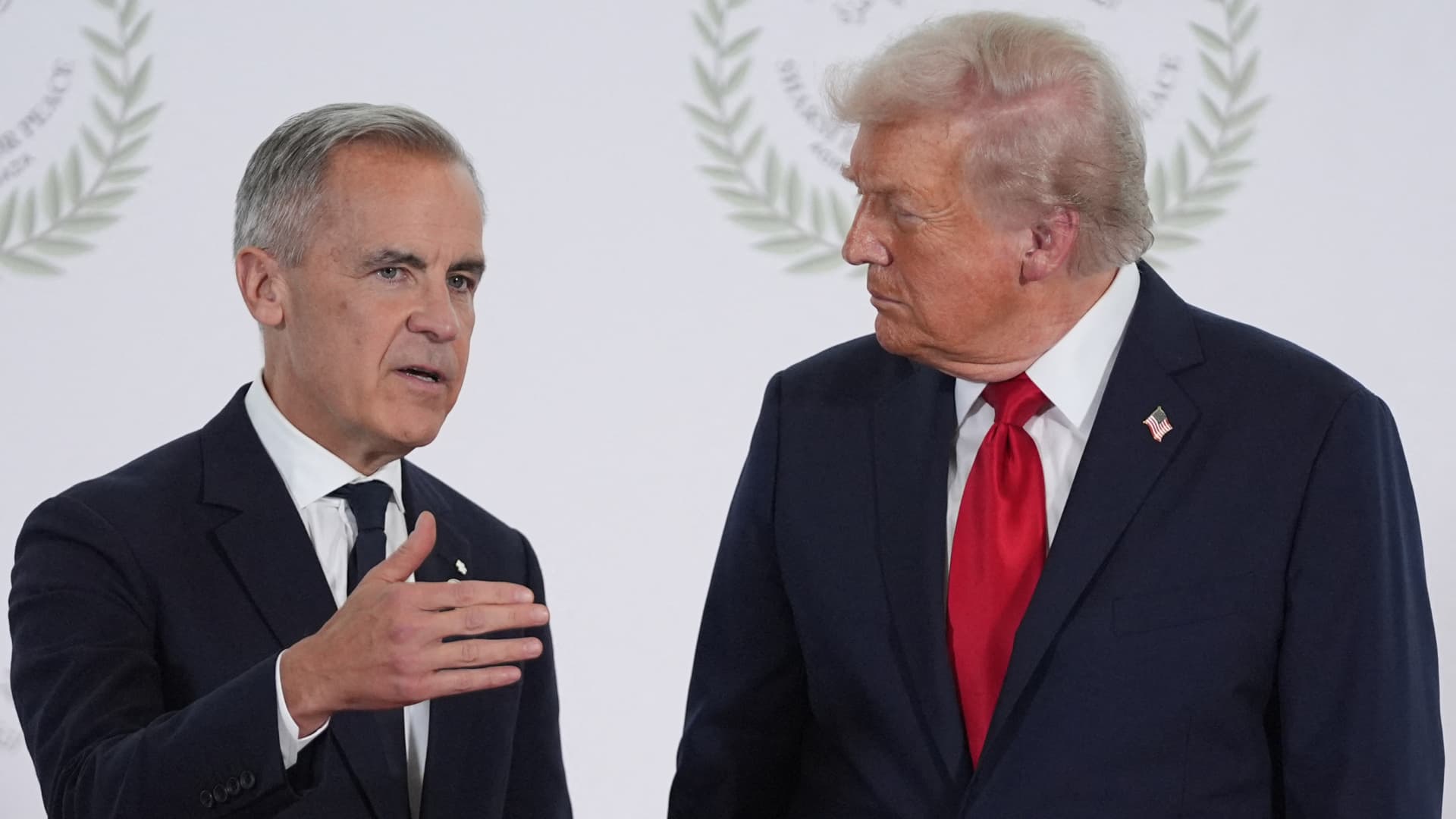
US President Donald Trump has paused the implementation of scheduled 50 per cent tariffs on Canada for a period of three days, coinciding with an announcement of a 'deal' with the Canadian government in Ottawa. The move marks a significant, albeit temporary, shift in the trade dynamic between the two nations.
The pause provides a brief window of stability for markets previously bracing for the full imposition of the duties. By halting the tariffs for 72 hours, the White House has effectively delayed the financial impact on Canadian exporters, allowing time for the purported agreement to take shape or for further negotiations to occur.
This development follows a pattern of aggressive trade measures initiated by the current administration. Trump has previously imposed a variety of tariffs on Canada and its specific exports, targeting key sectors including metals, lumber, and auto parts. These levies have contributed to ongoing volatility in cross-border trade relations and supply chain planning for industries reliant on integrated North American manufacturing.
The nature of the announced 'deal' remains unclear, with no specific terms or details provided in the initial reports. The use of quotation marks around the term 'deal' suggests the agreement may be provisional or characterised primarily by the President rather than a fully ratified treaty with binding legal frameworks.
Investors and industry stakeholders are now awaiting further clarification on the scope of the agreement and its long-term implications for trade policy. The three-day pause serves as a critical interim period, during which the market will assess whether this temporary halt signals a broader de-escalation or merely a tactical delay in the imposition of broader trade barriers.