Trump delays AI security executive order over language concerns
Proposed mandate requiring AI firms to share advanced models with the government 14 to 90 days prior to launch was a primary point of contention
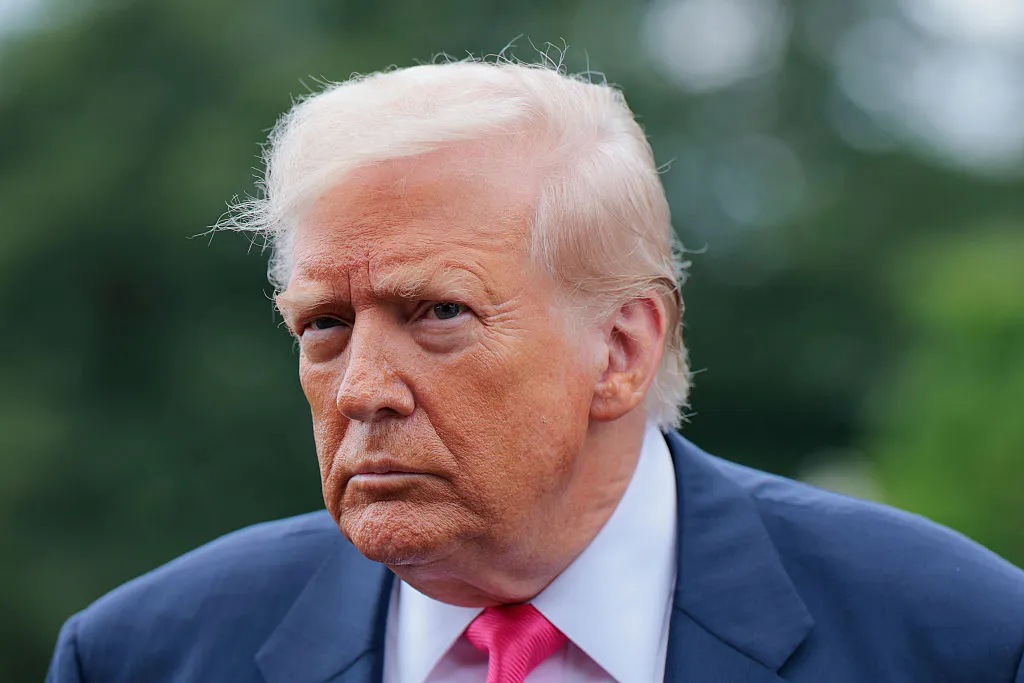
President Donald Trump has postponed the signing of a significant executive order designed to implement pre-release government security reviews for artificial intelligence models. The decision, confirmed to the White House press pool, stems from dissatisfaction with specific provisions within the document, particularly those that could impede the pace of innovation in the United States.
Trump stated he was concerned that the current language of the order could act as a blocker to US technological dominance. "I didn’t like certain aspects of it," Trump told reporters. "We’re leading China, we’re leading everybody, and I don’t want to do anything that’s going to get in the way of that leading." The administration has framed the AI sector as a critical area of geopolitical competition, with the proposed regulations viewed as a potential hindrance to maintaining that edge.
The executive order would have tasked the Office of the National Cyber Director with developing evaluation processes to assess the security risks of AI models before their public release. This regulatory push was largely driven by security vulnerabilities identified in recent high-profile models, including Anthropic’s Mythos and OpenAI’s GPT-5.5 Cyber. Both systems demonstrated the ability to rapidly find and exploit security flaws, raising alarms among policymakers about the potential for malicious use of advanced AI capabilities.
A key sticking point in the order’s language, as reported by CNN, was a requirement for AI companies to share their most advanced models with the government between 14 and 90 days prior to launch. This provision was intended to allow regulators to test for safety issues before deployment, but it faced strong resistance from industry leaders and the White House alike. Trump indicated that such a mandate could stifle the competitive advantage US firms hold over international rivals.
While the primary reason for the delay is attributed to policy disagreements, reports suggest logistical factors may have also played a role. Several sources indicated that not enough technology CEOs could make it to Washington, D.C., on short notice for the anticipated photo opportunity. However, the White House has not confirmed this unofficial reason, focusing instead on the substantive concerns regarding the order’s text and its potential impact on US leadership in the AI sector.
The delay leaves the future of federal AI security oversight in a state of uncertainty. Without the executive order, the Office of the National Cyber Director will not immediately have the mandated framework to evaluate pre-release models. Industry observers note that the tension between ensuring national security and fostering rapid technological advancement remains a central challenge for US policy makers as the AI landscape continues to evolve.
