Trump delays AI executive order amid regulatory scrutiny
The postponement of the much-anticipated artificial intelligence directive adds uncertainty to the tech sector’s regulatory landscape, occurring against a backdrop of rising markets and ongoing geopolitical summits.
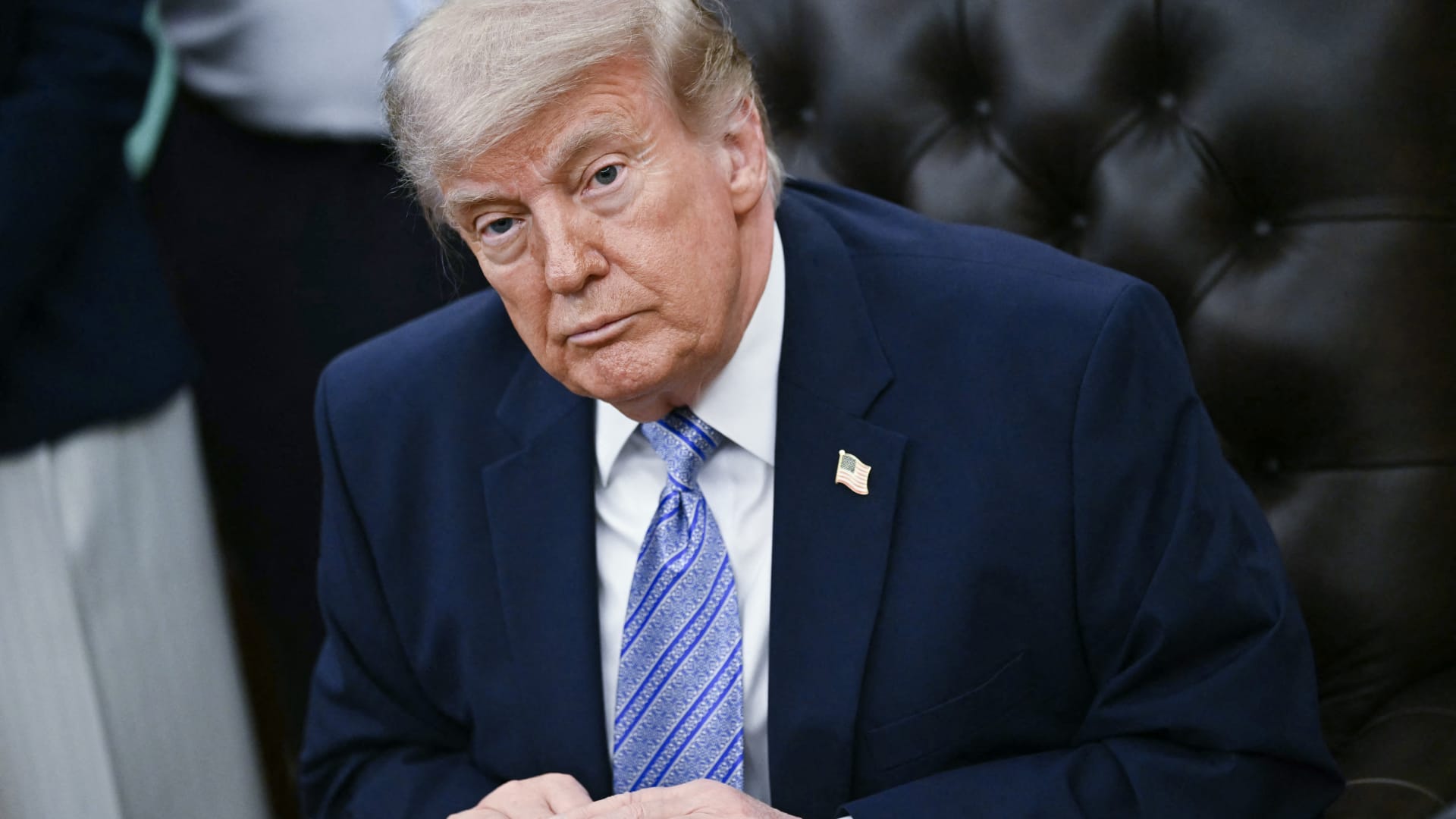
US President Donald Trump has postponed the signing ceremony for a highly anticipated executive order concerning the artificial intelligence industry. In a statement reported by CNBC, the president indicated that the delay was driven by his dissatisfaction with specific provisions within the document, stating he "didn't like certain aspects" of the text.
The executive order had been viewed as a critical milestone for the technology sector, with industry stakeholders expecting clear regulatory frameworks to guide the rapid development of artificial intelligence capabilities. The decision to halt the signing process suggests that significant revisions or negotiations regarding the policy’s content are still underway within the administration.
While the president did not elaborate on which specific elements of the order required alteration, the move introduces a layer of uncertainty for investors and tech firms awaiting regulatory clarity. The delay comes at a time when the intersection of technology policy and market performance is under intense focus, particularly as global powers navigate complex trade and innovation dynamics.
Market reactions to recent diplomatic engagements have been positive, with US stock indices rising as the president attended a summit in Beijing with Chinese President Xi Jinping. The Dow Jones Industrial Average gained 0.8%, the S&P 500 rose 0.3%, and the Nasdaq Composite climbed 0.2% on Thursday. Additionally, Nvidia shares surged more than 2% following US approval of a related technology development, highlighting the sector's sensitivity to policy signals.
The postponement occurs amidst a broader political environment, including ongoing security probes into a recent shooting incident at a press gala and shifting diplomatic protocols involving Taiwan. However, these events remain distinct from the immediate regulatory developments surrounding the AI executive order. No new date has been set for the signing ceremony, leaving the timeline for the policy’s implementation open.