Trump cancels AI safety executive order after tech leaders refuse to attend
The decision follows reports that Elon Musk and Mark Zuckerberg urged the cancellation, while OpenAI supported the measure, highlighting deep divisions within the administration and the tech sector over the pace of regulation.
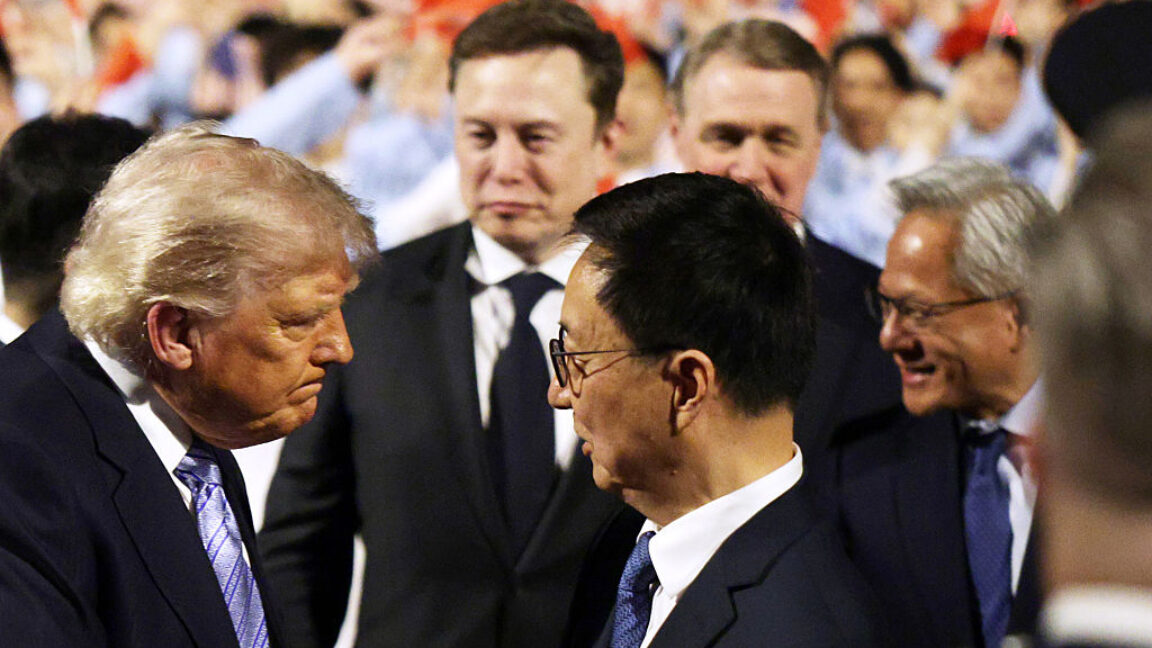
President Donald Trump abruptly cancelled a scheduled event to sign an executive order mandating government safety testing of frontier artificial intelligence models before their public release. The decision was made just hours before the ceremony, following reports that several top technology executives declined to attend due to insufficient notice.
According to reporting from Ars Technica, Trump had hoped for a high-profile gathering of industry leaders to underscore the administration’s commitment to AI safety. However, he reportedly became displeased after learning that key CEOs could not make the event, despite being given only 24 hours’ notice. Some executives who had rearranged their schedules to attend were reported to be mid-air en route to the White House when the cancellation was announced.
The cancellation appears to have been influenced by significant pushback from major industry figures. Reports indicate that while OpenAI supported the signing, xAI founder Elon Musk and Meta CEO Mark Zuckerberg urged Trump to call off the event. Musk later denied involvement in the cancellation on social media, stating he did not know the contents of the executive order. Trump’s former AI advisor, David Sacks, also reportedly joined the push to delay the signing, adding to the internal friction within the administration.
The proposed executive order aimed to empower the government to identify security vulnerabilities in AI models to protect critical infrastructure, including banks and utilities. Tensions existed between the administration and tech labs regarding the testing timeline, with the government seeking a 90-day evaluation window prior to release, while AI firms advocated for a 14-day period. The initiative was partly spurred by cybersecurity concerns raised by Anthropic regarding its latest model, Mythos.
Trump publicly justified the cancellation by arguing that the order could act as an innovation “blocker” and hinder the United States’ competitive lead over China. “I really thought [the order] could have been a blocker,” Trump told reporters, emphasising his desire to maintain US dominance in the AI race. The move leaves the future of federal AI safety regulation uncertain, as the administration balances pressure from security-focused agencies to implement governance with industry demands for a light-touch regulatory approach.