Trump AI advisors clash over Chinese open-source models
Current and former advisors to President Donald Trump have engaged in public disputes over the release of Kimi, a free, open-source artificial intelligence model from Chinese company Moonshot.
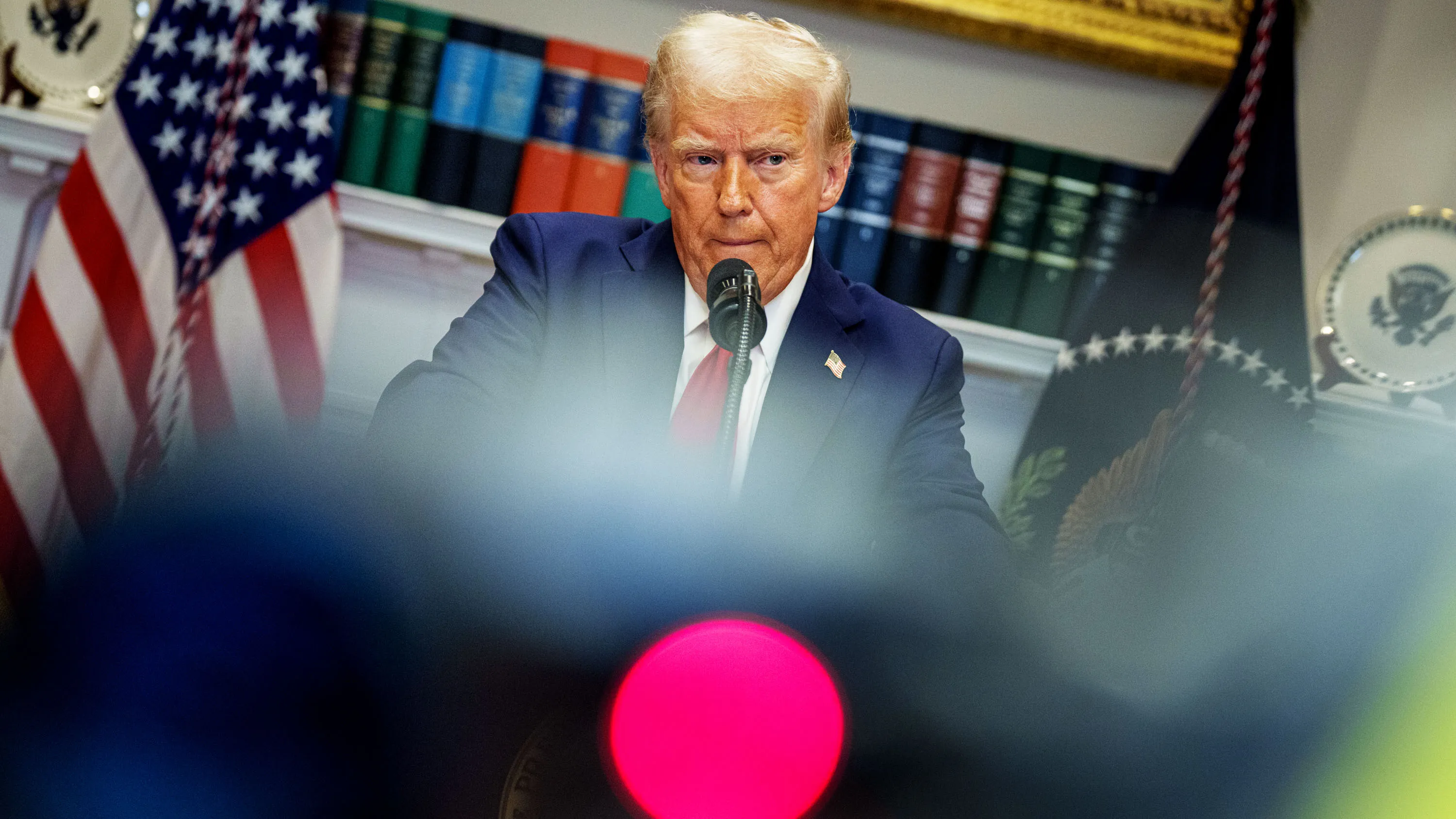
The release of Kimi, a free, open-source artificial intelligence model from Chinese company Moonshot, has triggered a public dispute among current and former advisors to US President Donald Trump. The conflict involves insults directed at AI companies and fellow advisors, triggered by Kimi’s capability to rival paid models from US firms OpenAI and Anthropic. The release of Kimi has created economic and political challenges for the Trump administration by threatening the market dominance of US-based AI firms and rattling US stocks.
David Sacks, former AI and crypto “czar” until March, described Anthropic’s models as “lobotomized” and “woke,” and criticised US companies for seeking government elimination of open-source competition. Emil Michael, a Pentagon official, referred to OpenAI’s new head of strategic futures as the “supreme village idiot” and rejected suggestions of a “Deep State scheme” in favour of a “democratic process.”
Dean Ball, a former Trump AI advisor now employed by OpenAI, characterised the White House’s new AI security review process as a “de facto licensing regime for frontier AI” and suggested soft power tactics to discourage US companies from using Kimi. Michael responded to Ball’s comments by emphasising the need for government intervention due to national security threats posed by strong AI models.
The Trump administration recently loosened export controls, allowing Nvidia to sell more chips to China in exchange for a government cut, amid allegations of chip smuggling. The Trump administration announced efforts in April to curb the practice of AI distillation, where models are trained on outputs of existing AI models, a practice alleged by OpenAI and Anthropic to be used by Chinese firms.
Kimi is nearly as capable as an Anthropic model that was briefly shut down by the US government due to national security concerns. New York has imposed the country’s first state ban on new data centers, contributing to growing distrust of AI companies.
